Many businesses believe that spending a lot of money on paid advertisements is the only way to increase revenues. Ads can drive traffic to your website, but relying only on them isn’t a wise long-term strategy, particularly if you’re a small business, startup, or local brand.
The great thing is that you can increase ecommerce revenue without spending on ads. You can improve sales and earnings without having to pay for them if you have the correct strategies, effective sales techniques, and truly prioritize your clients.
In this guide, we’ll explore the best ways to increase ecommerce sales without resorting to paid advertising by implementing the best optimization practices from our marketing professionals. Read ahead to know how to grow your profit organically with zero ad spend.
Why It’s Important to Focus on Growing Ecommerce Revenue Without Ads
Paid ads work as long as you keep pouring money into this type of promotion.
Having this understanding is crucial for business owners and operators. Then you can focus on organic approaches that increase visibility, trust, and repeat business, which help you establish a loyal customer base over time.
- Rising customer acquisition costs (CAC)
Paid advertising costs have increased significantly, making it harder to maintain profitability as you scale. Focusing on organic and owned channels helps reduce dependency on rising ad costs and improves margins. For practical tactics you can start applying right away, see our guide on how to lower customer acquisition costs for ecommerce.
- Higher profitability through retention
Retaining existing customers is more cost-effective than acquiring new ones and leads to higher lifetime value. According to Harvard Business Review, increasing customer retention by 5% can boost profits by 25% to 95%.
- Reduced platform dependency risk
Relying heavily on paid ads exposes your business to algorithm changes, policy updates, and platform disruptions. Building owned channels like email and SMS ensures you maintain direct access to your audience, regardless of external changes.
- More sustainable long-term growth
Organic strategies such as SEO, email marketing, and community building compound over time and continue generating revenue without ongoing spend. This creates a more stable and predictable growth model compared to constantly funding ads.
- Better customer relationships and brand loyalty
Without ads, growth relies more on delivering value, personalization, and strong customer experiences. This leads to stronger emotional connections and higher repeat purchase rates.
- Improved efficiency of existing traffic
Instead of constantly driving new visitors, optimizing conversion rates and average order value helps you generate more revenue from the same traffic. This makes your business more efficient and resilient.
- Greater control over marketing performance
Owned channels provide full control over messaging, timing, and customer data without relying on third-party platforms. This allows for better personalization, testing, and optimization of your marketing efforts.
How to Boost Ecommerce Sales without Paid Ads: Best Strategies
Although paid advertising can be a terrific way to drive sales, it is not the best long-term plan given the rise in ad blocker usage and new privacy regulations.
So, how can I increase ecommerce sales without spending money on paid advertising?
As promised, here we share the best organic tactics that boost visibility, retention, and trust, allowing you to build your customer base sustainably.
Increase Customer Lifetime Value (CLV)
The first approach aimed to transform your business to be able to grow revenue without massive ad spend is actually a bunch of practices that increase Customer Lifetime Value (CLV).
CLV should be assessed and tracked on a regular basis, particularly if you have a long-term engagement with your clients.
When it comes to ecommerce brands, boosting CLV is directly linked to enhancing customer satisfaction, strengthening loyalty, and motivating customers to make repeat purchases —all of which drive revenue without relying on paid acquisition.
There are three main ways to enhance your CLV:
- Increasing average order value (AOV).
- Encouraging more frequent purchases.
- Improving customer retention and loyalty.
You can find more effective strategies and pro tips from Flowium’s experts in our guide on customer retention.
How Brands Implement This Strategy to Grow Ecommerce Revenue
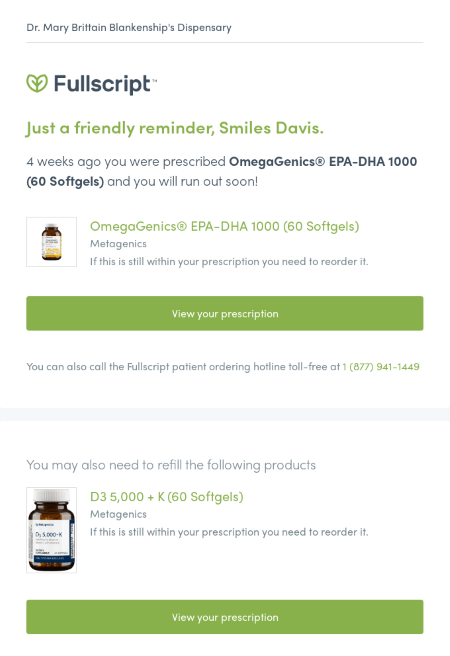
This supplement brand effectively uses post-purchase flows to increase the lifetime value of its customers. They send highly personalized emails, including replenishment campaigns like the one you see in the example below. Instead of relying on ads to acquire new customers, the brand makes an effort to continue engaging existing clientele by reminding them to replenish or refill the product they previously bought. If executed correctly, such campaigns often lead to repeat purchases. Since it’s more cost-effective than acquiring new clients, in the long run, this strategy allows for growing revenue organically.
Increase Average Order Value (AOV)
AOV is an ecommerce metric that represents the average amount a typical customer spends per transaction. Divide your total income by the total number of orders to determine your AOV.
In contrast to customer lifetime value, which focuses on individual customers, AOV focuses on revenue. Because of this, AOV is a valuable ecommerce metric for online sellers who want to increase revenue without spending on ads.
Improving AOV means generating more revenue from each existing customer. Instead of acquiring new visitors, you focus on increasing the value of every transaction to scale ecommerce profitability.
How to Improve AOV for Ecommerce Revenue Growth Without Ads
- Volume Discounts. Promote more spending by using bundled package rates, tiers, or thresholds (such as free shipping).
- Product Bundling. To boost order size and profit margins, combine commonly purchased items into higher-value bundles.
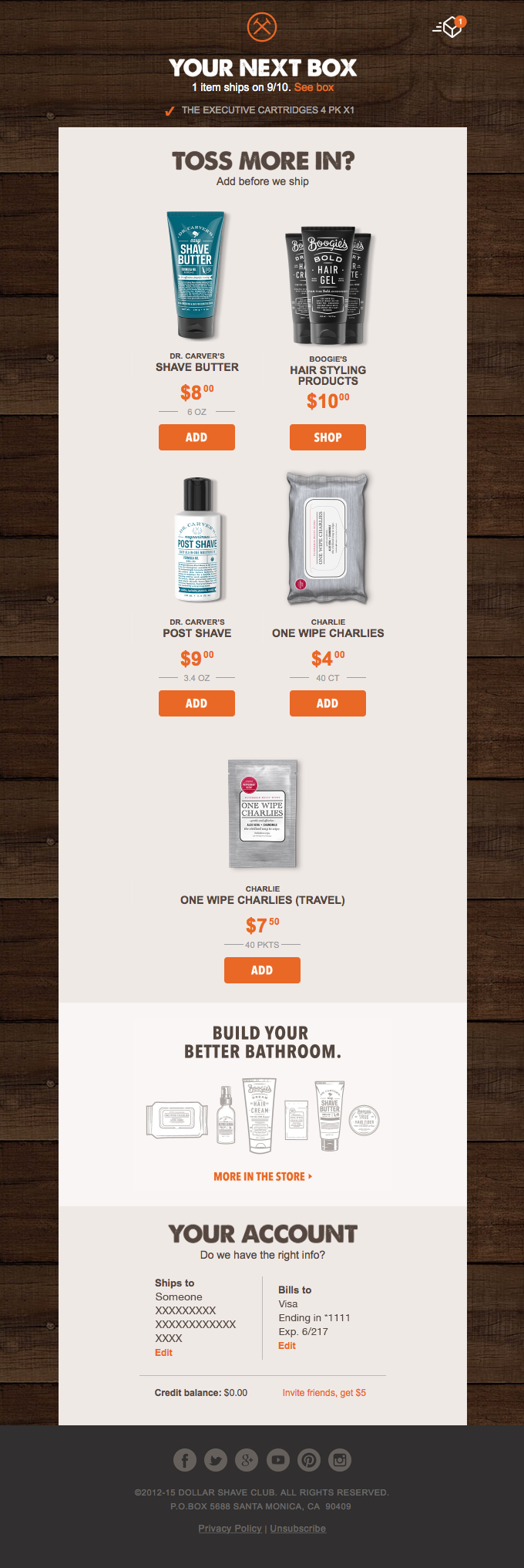
Upselling/Cross-Selling Campaigns. Recommendations for upsells and cross-sells can be a fantastic method to raise your store’s average order value. You can show customers new arrivals that might be of interest or emphasize things that go well with what they have already purchased, particularly with post-purchase communications. For instance, if a customer just placed an order from your beauty category, you could promote items from the same category that they would find appealing or add relevant accessories in a follow-up email.
- A/B Testing. To determine what boosts AOV, systematically test modifications (from minor adjustments to major updates) utilizing tools like analytics and heatmaps.
You can find more effective tactics to improve your AOV in our podcast.
Improve Conversion Rate
When subscribers receive an email campaign, the goal is usually for them to take a specific action- whether that’s downloading a guide or placing an order. However, a true conversion only happens when the recipient actually completes that action, not just clicks a link. This distinction is important because click-through rates and conversion rates are often confused.
While clicks show engagement, conversions directly impact revenue. If your email conversion rate is lower than industry benchmarks, you’re leaving money on the table. The good news is that improving conversion rate allows you to generate more revenue from the same audience, without increasing ad spend.
To increase conversions, focus on making your emails more relevant, timely, and action-driven so you can generate more revenue from your existing audience.
Key strategies include:
- Segmentation & Personalization. Send targeted, relevant messages based on behavior and preferences.
- Clear CTAS. Use strong, simple calls-to-action that guide users to complete the desired action.
- Testing & Optimization. Improve performance through subject line testing, A/B testing, and timing optimization.
- Deliverability & Mobile. Ensure emails reach inboxes and are easy to use on mobile devices.
- Social Proof. Add reviews or testimonials to build trust and increase conversions.
How Businesses Implement This Tactic
Utilize the power of visual and informational hierarchy if you want to increase conversions with a few calls to action. You can also apply the reversed pyramid theory, which states that the main call to action should be at the top of your email, with a few additional links at the bottom.
In the Jones Road email example, the major CTA “Shop nourishing skincare,” which reflects the email’s purpose, is a button located near a focus point. Additionally, there is a secondary call to action (CTA), which is a hyperlink inserted into the text that is less noticeable and situated below in accordance with the hierarchy rule. With this combination, marketers can offer useful information without detracting from the primary message.

Build Owned Channels
Owned channels like email and SMS allow brands to engage directly with their audience without paying for each interaction, making them a key driver of revenue without ad spend. Instead of constantly acquiring new customers, these channels help you monetize the audience you already have.
Email Marketing
Klaviyo reports that email can generate 20-40% of total ecommerce revenue when lifecycle flows are properly implemented.
Key flows include:
- Welcome emails introduce the brand and convert new subscribers.
- Abandoned cart emails recover otherwise lost sales.
- Post-purchase flows help increase customer lifetime value by encouraging repeat purchases and building loyalty.
- Winback campaigns re-engage inactive customers and unlock additional revenue at a lower cost than acquisition.
SMS further strengthens this strategy by delivering time-sensitive messages with very high open rates, creating a powerful multi-channel retention system.
How Brands Use Owned Channels to Increase Ecommerce Sales Without Ads
This Chipotle welcome email is the epitome of what a welcome email should be: it’s concise, appealing, and entices you to place an order.
It has all the necessary elements, such as thanking subscribers for signing up, describing what to expect from future emails, and providing an engaging call to action. The email effectively engages new subscribers by recognizing their interest and offering a clear next step. This tactic facilitates quick communication and a positive first impression.

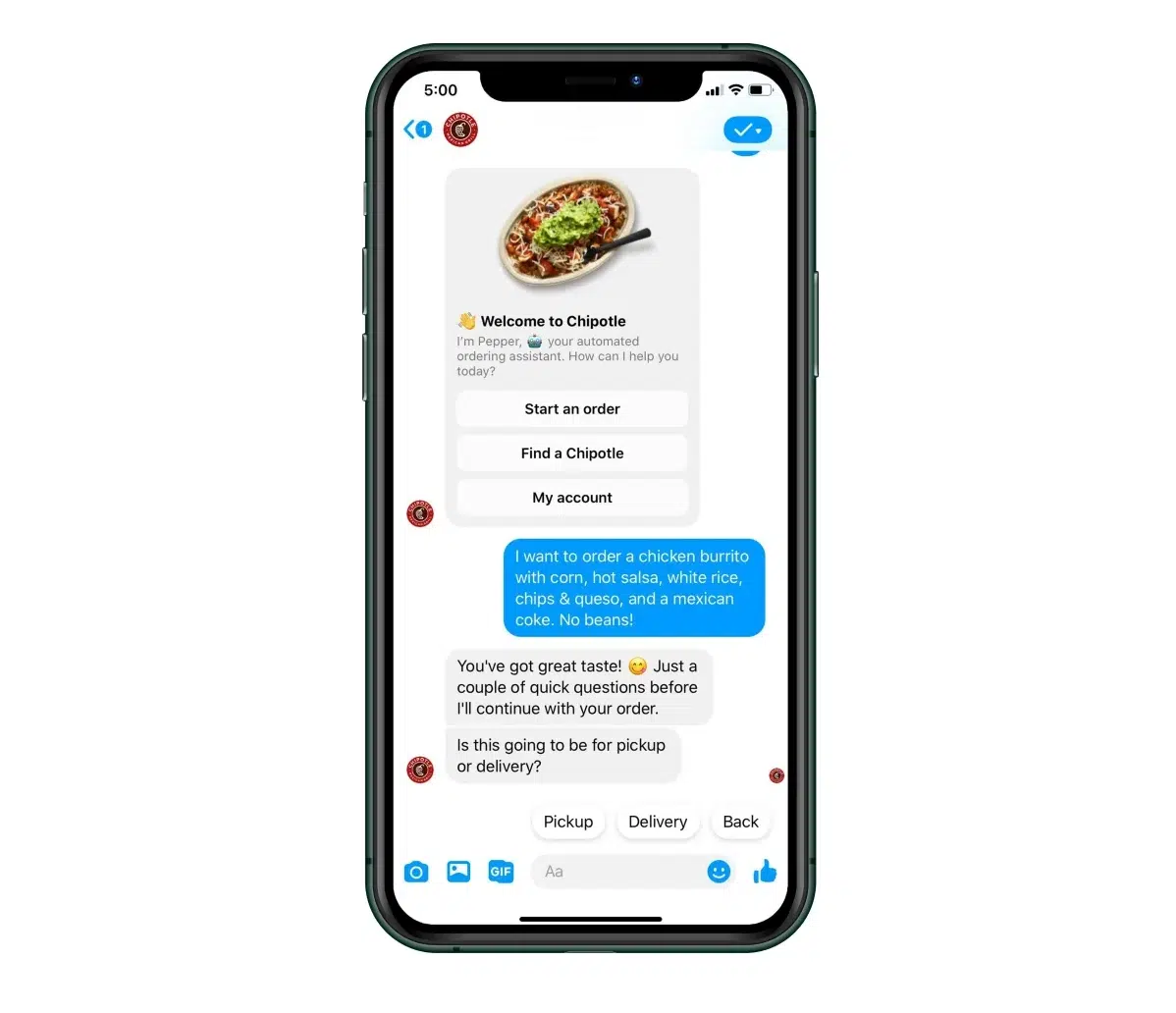
Aside from email, the company also leverages SMS and other text-message marketing channels. Recently, they launched a chatbot in Facebook Messenger that enables in-app ordering through RCS technology.
SEO
Marketers often rely on paid ads to target search engine users, but visibility is never guaranteed with such a strategy. Competitors can outbid you, and your ads won’t show for every relevant search. This makes paid acquisition both competitive and inconsistent.
Use search engine optimization (SEO) to appear more frequently over an extended period of time, rather than paying to appear in searches sometimes. Although your website won’t take the top spot right away, it will remain there for a longer period of time and provide long-term advantages without the need for advertising. Unlike pay-per-click advertising, where visibility disappears once you stop paying, SEO builds a sustainable growth channel that compounds over time.
How to Use SEO to Increase Ecommerce Revenue Without Spending on Ads
Instead of increasing ad spend, work on your website to achieve better rankings on search engine result pages. Using proven optimization strategies will help you obtain organic traffic that you don’t need to pay for. There are simple ways to achieve this.
- Create product pages optimized for your specific keywords.
- Publish blog content with specialized keywords, aiming for high ranking on SERPs.
- Improve technical characteristics of your website, such as site structure, internal linking, loading speed, etc.
This type of optimization will help you receive organic traffic and sales grow without additional ad spend.
Use Social Proof to Increase Revenue Without Ads
Social proof marketing involves using customer opinions and experiences to demonstrate the legitimacy of your brand or products. Instead of paying to convince new customers, you leverage existing customer trust to drive conversions. This is especially powerful because purchasing decisions are heavily influenced by others-studies show that a large percentage of consumers choose businesses based on recommendations from friends or peers. By strengthening trust and credibility, social proof helps increase conversion rates and overall revenue without increasing traffic.
You can increase your ecommerce sales by using the following examples of various forms of social proof:
- User-Generated Content (UGC). Reviews, testimonials, and pictures of your customers using your products are examples of UGC, which are marketing goldmines for the expansion of your business.
- Reviews and star ratings from customers. Since up to 70% of online shoppers read product reviews before making a purchase, reviews and star ratings are among the most common types of social proof used by ecommerce companies.
- Recommendations. One issue with most review systems is that if you don’t have many reviews, the buyer might assume that you don’t have many customers, that your customers don’t buy specific product lines, or that your products aren’t very good. Recommendations, on the other hand, are an ideal addition or substitute for reviews since they give potential shoppers a quick look at whether current customers recommend your products.
How to Use UGC for Growing Ecommerce Sales
You can easily implement your acquired product reviews in any of your promotional campaigns to foster trust and interest in your products. In the example below, you can see how a brand uses this strategy to showcase the promoted items and prove the quality of its products and services. They skillfully included client reviews and star ratings instead of a typical product description, using UGC instead.

Personalized Email Marketing
Reaching out to each subscriber individually with personalized email marketing is the greatest method to grow ecommerce revenue without spending more on ads.
While using a customer’s first name is a common tactic, true personalization goes much further. By using customer behavior and data, you can send highly relevant emails that guide users toward completing a purchase. For example, including abandoned cart items in an email with a direct checkout link reminds customers what they left behind and makes it easy for them to complete their order.
Read more about the best practices and tactics in our comprehensive guide on personalized email marketing.
Brands Using Personalization to Grow Sales Without Paid Ads
In the age of digital marketing, making the most of consumer data is crucial to delivering precise and customized experiences. You can carefully tailor your messaging, offerings, and relationships to your clients’ needs and preferences by gaining these helpful insights.
Incorporate this procedure into your list-building plan:
- Gather relevant user data from websites, mobile apps, and social media. It is possible to include demographics, click-throughs, purchases, and preferences.
- Make comprehensive client profiles to learn more about each person.
- Use analytics tools to investigate the data you have gathered. By utilizing machine learning and predictive analytics to identify trends and patterns, you can forecast what consumers might want in the future.
Based on the collected data, segment your audience, customize messages, and set up automated flows to send relevant messages.
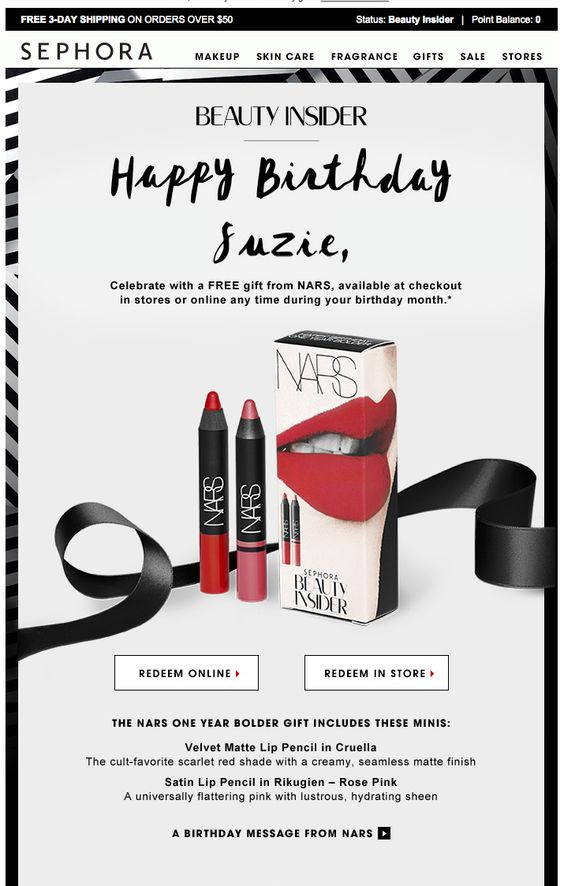
The simplest example of a personalized campaign is when an ecommerce brand sends time-sensitive promotions dedicated to a client’s birthday. Before or on the day of a subscriber’s birthday, send them a customized email campaign with special discounts, gift cards, and things they would find interesting based on the information you have about them. These kinds of messages can be automated with modern ESPs.
Optimize Post-Purchase Experience
We already skimmed over some of the tactics and campaigns that are a part of the post-purchase stage, but we still want to emphasize the importance of having a comprehensive strategy for it.
Many companies ignore post-purchase emails because they believe they are successful once customers have checked out. But seasoned internet retailers and marketing experts understand that this is just the beginning of a long-term plan. Gaining a steady and devoted clientele, as well as establishing a strong reputation and network, must be your real objectives. Because of this, you should put in twice as much work after a consumer purchases from your company. The post-purchase email series is a great approach to keep current customers interested.
You can reassure clients that you are looking out for their best interests by sending these messages. You are letting them know that you are accessible to them and making sure that your brand and merchandise stay firmly in their minds
How Brands Optimize the Post-Purchase Stage
Make sure your clients have your support throughout the purchasing stages and don’t feel abandoned after the transaction is finalized. Here are some messages you can send them to provide a better customer experience and set up the stage for a long-term connection.
- Thank-You Message
- Order, Shipment, and Delivery Confirmation Messages
- Cross-sell/Upsell Emails
- Review Requests and Surveys
- Loyalty Program Emails
- Useful Content (Guides, instructions, manuals, etc.)
- Re-engagement Campaigns
- FAQ and Customer Support Emails

Affiliative Marketing
Reaching new customers without paid advertising can be challenging, but affiliate marketing offers a powerful alternative.
Businesses collaborate with affiliates—such as bloggers, influencers, or other content creators—to promote their products in exchange for a percentage of sales through affiliate marketing, a performance-based marketing approach. Since this commission is only given upon a sale, it’s an affordable method of boosting sales without having to spend any money on advertisements up front.
How to Put an Affiliate Marketing Strategy into Action
- Find the Correct Affiliates. Seek out partners whose audiences are comparable to your intended market.
- Offer Competitive Commission. To encourage affiliates to market your products, provide good commission rates. Affiliate commissions typically fall between 5% and 30%.
- Give Marketing Materials to Affiliate. Provide affiliate marketers with ready-to-use resources, including product photos, banners, and prewritten copy to streamline advertising.
- Monitor Affiliate Performance. To ensure accurate reporting and find top-performing affiliates, track sales and commissions.
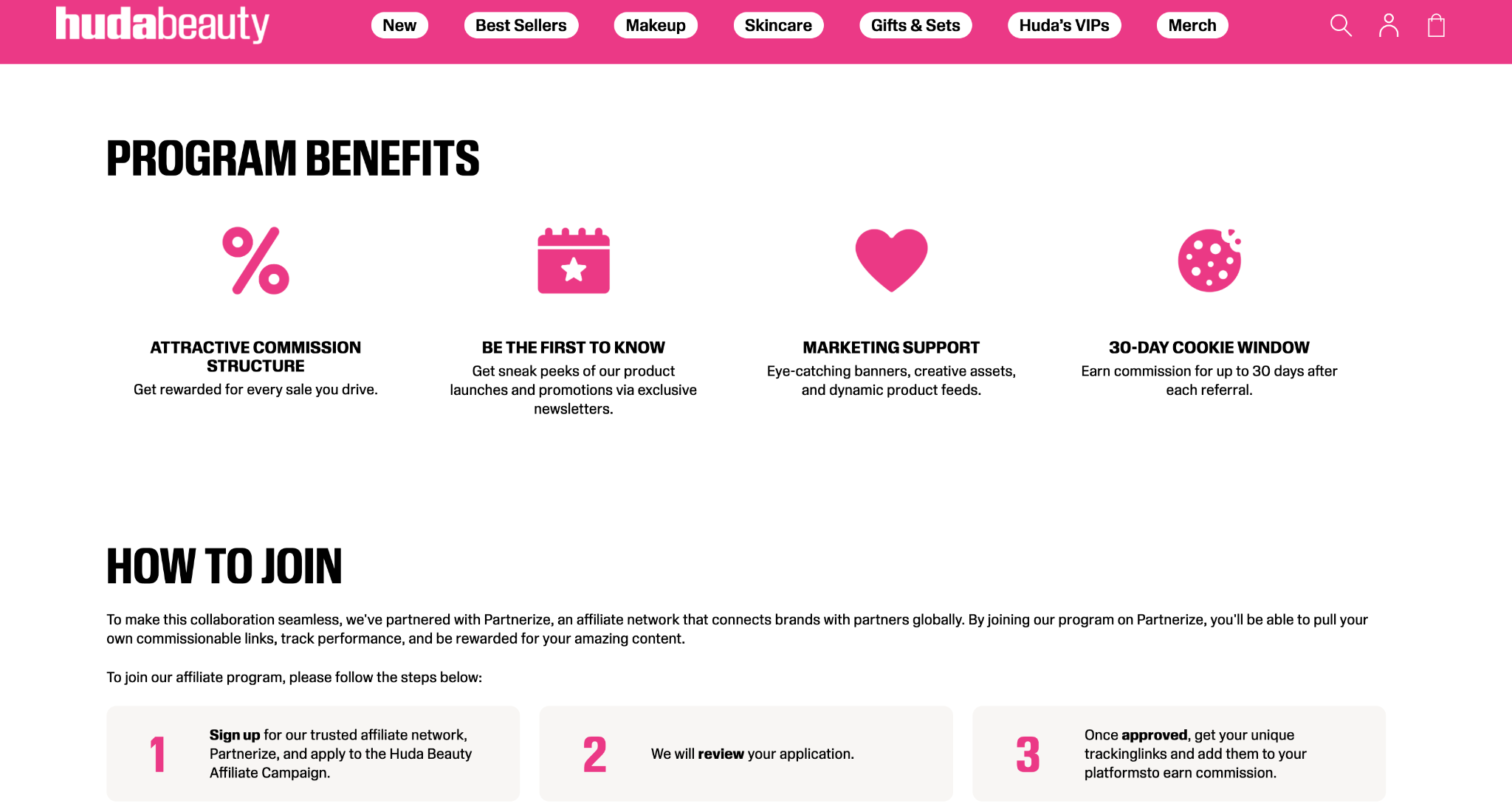
Usually, brands implement this strategy by creating affiliate programs. They offer influencers to join and then provide them with a unique tracking link or a promo code. Every time someone clicks your link or enters a specific promo code and completes the desired action (a purchase, sign‑up, or download), the program rewards the affiliate with a commission. This way, it’s not just your brand, but also your affiliates, who are interested in growing engagement and sales.
For example, Huda Beauty provides an opportunity to share their award-winning products and earn money. In order to optimize profits, affiliates receive early access to launches, marketing assets, and a 30-day cookie window. It’s a worldwide program run by Partnerize that offers solutions for easy tracking and payments.
Referral Program
One effective strategy to increase your ecommerce sales without spending money on advertisements is referral marketing. It works incredibly effectively, especially when happy consumers tell their friends and family about your brand. Therefore, it can contribute to the development of authenticity and trust far more than any paid advertisement could.
How to Set Up Referral Programs for Revenue Growth
- Provide Alluring Incentives. Ensure that the prize is something your customers will genuinely value. It might be free shipping, a discount on their subsequent purchases, or even a present for the new customer and the referrer.
- Make the Referral Process Simpler. Make sure it’s simple and easy to refer friends. Provide a simple, easy-to-share referral link that clients can send via text, email, or social media.
- Promote the Program. Use your website, social media accounts, and post-purchase emails to advertise your referral program. Customers will use it more if they are aware of it. You can look at the example from this ecommerce brand that sends creative emails promoting their referral program, offering a clear incentive and easy access.

- Track Performance. Keep an eye on who is taking part, how many referrals are turning into sales, and which rewards work best by using referral tracking tools.
Best Practices to Boost Ecommerce Sales: Tips from Flowium
Aside from the major strategies we explored, our experts share additional practices that you can use to maximize your results and boost ecommerce sales without spending more on ads. Here are some of the proven tactics.
- Optimize Website
A fast, mobile-friendly, and easy-to-navigate website is essential for increasing ecommerce sales. Improving page speed, simplifying navigation, and optimizing the checkout process help reduce friction and encourage more visitors to complete their purchases.
- Provide High-Quality Customer Support
Providing responsive and helpful customer support builds trust and reduces purchase hesitation. Live chat, quick email responses, and clear FAQs ensure customers get answers quickly, improving satisfaction and conversion rates.
- Optimize Product Pages
Well-optimized product pages with high-quality images, detailed descriptions, customer reviews, and clear pricing help shoppers make confident purchase decisions. Adding trust signals, FAQs, and strong calls-to-action can significantly boost conversions.
- Acquire Listing in Free Directories
Submitting your ecommerce store to free online directories can increase visibility and drive additional traffic. These listings help improve brand discoverability, support SEO efforts, and allow potential customers to find your store through multiple online channels.
How to Grow Revenue Without Ads: Our Case Study
As you can see, to boost ecommerce sales without spending on ads, you need to optimize many processes and channels. For new and rapidly growing businesses, all of this can be overwhelming and seem risky to invest in. If that’s your case, you can outsource your marketing transformation to professionals.
Flowium has vast experience in helping ecommerce DTC brands to grow their revenue and profit through more sustainable and cost-effective channels than paid advertisement. You can see the results of the efforts our specialists put into every client project by looking at our case studies. Here’s one of the examples.
Lulalu, a new ecommerce beauty brand, used our lifecycle email marketing to grow revenue without relying on paid ads, shifting from occasional campaigns to a structured strategy. Initially, email contributed only about 1% of total revenue, showing a major untapped opportunity.
Our strategy focused on three key areas:
- automated lifecycle flows
- targeted weekly campaigns
- continuous optimization
By implementing lifecycle flows, we were able to guide the brand’s customers from sign-up to repeat purchase, creating a full revenue system. Within just three months, automated email flows alone generated over 20% of total revenue. With the addition of consistent campaigns, email grew to drive 35%+ of total revenue, exceeding industry benchmarks.
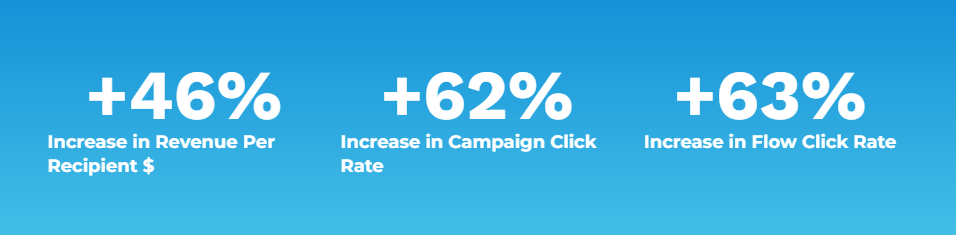
This demonstrates that owned channels like email can become a primary revenue driver without additional ad spend. The strategy also improved engagement, with open and click-through rates consistently above industry averages.
Lifecycle emails created by our marketers helped increase interaction with both new and existing customers, improving conversions across the funnel. The approach focused on turning one-time buyers into repeat customers, which is key for sustainable growth. We also provided ongoing testing and optimization to ensure continued revenue growth over time.
Overall, this case from our track record shows how we can develop a well-structured email strategy able to replace a significant portion of paid acquisition by driving retention and repeat purchases.
Common Mistakes to Avoid in Your Ecommerce Sales Strategy
We can also outline some of the common mistakes that prevent you from getting the desired results of revenue growth. Here’s what we recommend to avoid.
- Over-relying on paid ads
Depending too much on paid acquisition makes your growth expensive and unsustainable over time.
- Ignoring customer retention
Focusing only on new customers instead of repeat buyers limits long-term revenue growth.
- Weak product pages
Poor descriptions, lack of reviews, or low-quality visuals reduce conversion.
- Complicated checkout process
Too many steps or required fields lead to cart abandonment rates.
- No clear value proposition
If customers don’t quickly understand why your product is worth buying, they won’t convert.
- Lack of personalization
Sending generic messages instead of tailored offers lowers engagement and sales.
- Not optimizing for mobile
A poor mobile experience drives away a large portion of potential customers.
- Ignoring data and testing
Failing to analyze performance or run tests prevents continuous improvement.
Conclusion
As you can see, getting ecommerce sales is possible without a large advertising spend. By concentrating on these tried-and-true tactics, you can draw in organic traffic, promote repeat purchases, and build a devoted clientele that will sustain your growth over time.
We believe that building relationships, providing value, and always enhancing the client experience are the keys to success. Put these recommendations into practice right now to build a successful online store that thrives outside of sponsored advertising. If you need professional assistance, contact Flowium, and we will do it for you.