Customer lifecycle marketing is a crucial and strategic component of consumer interaction. It begins with a consumer’s first exposure to the brand, progresses through several purchases and interactions, and ends with enduring loyalty and brand support. Businesses that understand and optimize messages at each of these stages can design a tailored marketing strategy that improves engagement, retention, and, eventually, ecommerce profitability.
This guide explains what modern, successful lifecycle marketing looks like for ecommerce brands. From first awareness to devoted advocacy, we will examine the five essential phases along with the best strategies and examples.
Understanding Customer Lifecycle Marketing
Building long-term client value is the fundamental goal of customer lifecycle marketing. This strategy employs customer data, behavioral signals, automation, and personalization to provide pertinent experiences at the appropriate point in the customer journey, as opposed to depending on discrete campaigns or generic mass communication.
Brands are better positioned to improve lifetime value (LTV), boost retention, and fortify customer connections when they continuously provide relevant messages and customized experiences across the lifecycle. Lifecycle marketing concentrates on fostering continuous interaction that encourages recurring purchases and enduring loyalty rather than viewing conversions as the ultimate objective.
How Customer Lifecycle Marketing Works
Customer lifecycle marketing aligns messaging, channels, and offers with a customer’s stage in the journey. This includes:
- Acquiring and converting new customers
- Activating first-time buyers
- Increasing repeat purchases and engagement
- Re-engaging inactive or lapsing customers
- Building loyalty and advocacy over time
By analyzing customer behaviors, preferences, purchase history, and engagement patterns, brands can create more targeted and personalized campaigns across email, SMS, paid media, onsite experiences, and other customer touchpoints.
Customer Lifecycle Stages
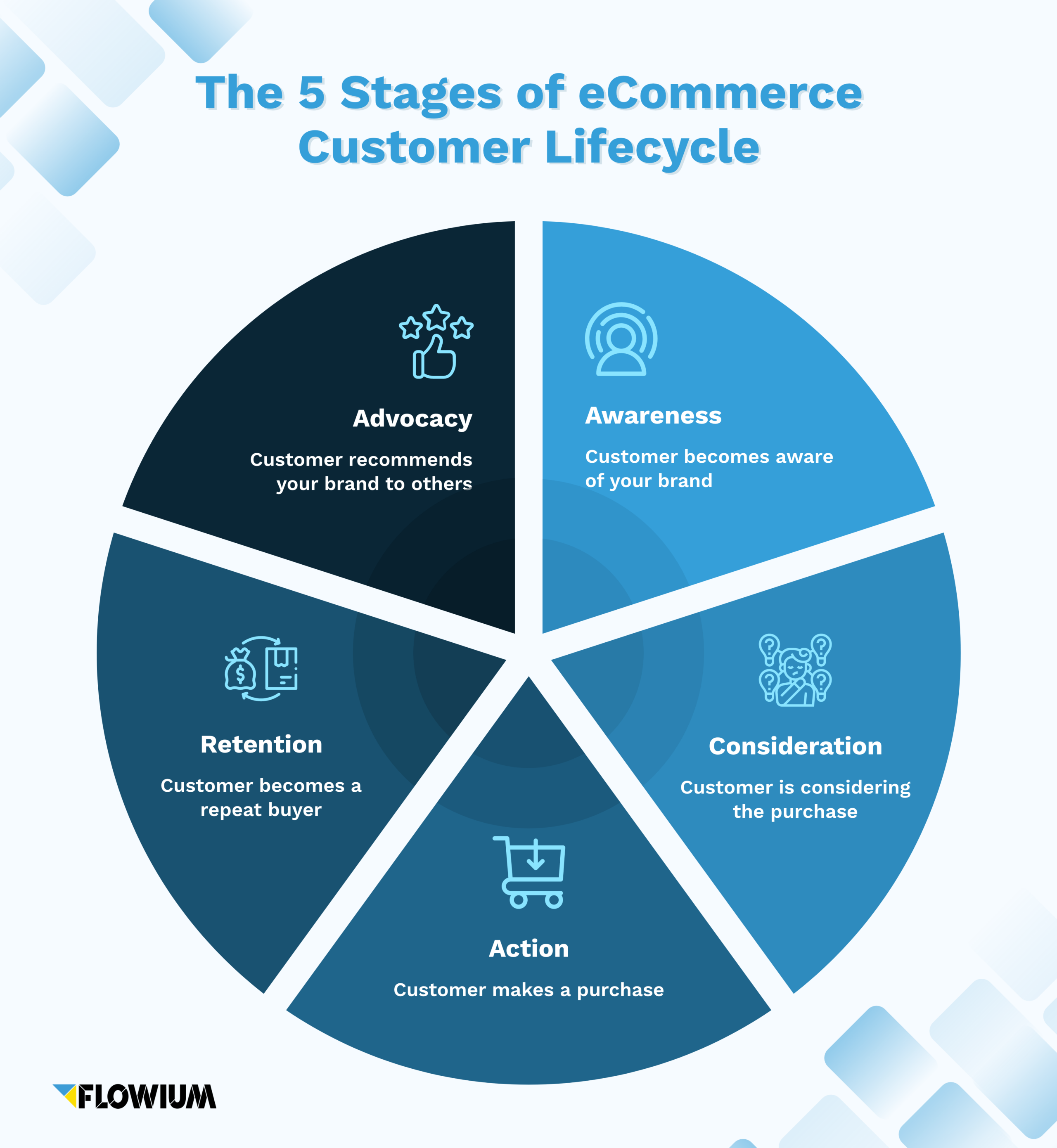
The customer lifecycle is a process your customer goes through from the first point of contact with your brand to becoming a repeat buyer.
This process includes becoming aware of your brand, making a purchase, and becoming a long-term customer who advocates for your brand. It usually consists of five stages:
- Awareness
The first time a customer interacts with your brand is during the awareness or discovery stage. Your brand has caught their attention. However, you don’t want it to stop there. Rather, you want to demonstrate your worth and take advantage of this revelation.
- Consideration
Before making a decision, most consumers will evaluate several companies that offer the goods or services they need. As a result, you must provide prospective clients with a reason to think of your company when they’re in need. Putting yourself in your clients’ shoes while offering them some free value is one approach to achieve this. Recall that you must demonstrate your ability to resolve their issues. Nonetheless, it’s a good idea to offer more specialized and in-depth content at this point. Why? When a customer is in the consideration stage, they already know what they need and are searching for potential solutions.
- Conversion
A conversion campaign aims to persuade prospective buyers to make a purchase. Before they pass the threshold, consumers at this stage typically have a few last inquiries. In other cases, people are looking for a reason to buy.
- Retention
After a visitor makes their initial purchase, the customer lifecycle continues. Rather, you want them to return time and time again. Fortunately, enhancing consumer engagement with your brand is the main goal of a customer retention campaign strategy. Naturally, though, you also want to add more value so that the partnership benefits both parties.
- Advocacy
When your clients are prepared to promote your company and serve as your greatest brand advocates, you are in the advocacy stage. Encouraging clients to tell others about their excellent experiences is the best method to persuade them to recommend your company.
Why Ecommerce Brands Need Customer Lifecycle Marketing Strategy
As ecommerce competition becomes more intense, brands can no longer rely on gaining clientele from short-term campaign performance and transactional marketing. To overcome the major challenges of competition and rising customer acquisition costs, ecommerce brands turn to customer lifecycle marketing that helps them build structured, long-term engagement across every stage of the customer journey. Rather than treating their interaction as isolated, lifecycle marketing creates a more connected and data-driven approach to customer growth. Let’s look at the factual reasons why it’s important for ecommerce businesses to adopt the lifecycle marketing approach.
Key Reasons Why Ecommerce Adopts Customer Lifecycle Marketing
- Rising CAC and declining paid media efficiency.
- Increasing pressure to improve retention and LTV.
- Growing customer expectations for personalized experiences.
- Fragmented customer journeys across multiple channels and devices.
- Revenue volatility caused by overdependence on acquisition channels.
- Greater reliance on first-party data in a privacy-focused marketing environment.
- The need for scalable customer engagement through automation.
- Increasing importance of loyalty, repeat purchases, and customer advocacy.
Why Data and Technology of Customer Lifecycle Strategy Matter for Ecommerce
Effective lifecycle marketing depends on the ability to collect, unify, and activate customer data in real time. Ecommerce brands need a strong data and automation infrastructure to orchestrate customer journeys across channels and respond dynamically to customer behavior.
Without a structured lifecycle marketing foundation, brands often face:
- Low engagement rates
- Poor conversion performance
- Weak retention and repeat purchase rates
- Decreasing customer lifetime value
- Inefficient marketing spend
As customer expectations for personalization continue to grow, lifecycle marketing is becoming less of a retention tactic and more of a core revenue and customer growth strategy for ecommerce brands.
Benefits of Customer Lifecycle Marketing
We can list many advantages of implementing lifecycle-focused marketing based on the outcomes of our partnership with the company. Businesses that employ lifecycle marketing typically get improved retention and engagement results when compared to traditional efforts. Among the primary benefits are:
- Cheaper Customer Acquisition
Since paid acquisition is becoming more expensive and less predictable, brands find lifecycle marketing to be a more reliable option. It allows for maximizing the value of acquired customers instead of relying solely on continuous spending on customer acquisition to sustain growth.
- Personalized Customer Experiences at Scale
A customer lifecycle marketing strategy allows ecommerce brands to deliver personalized messaging, product recommendations, and offers based on their customer behavior, purchase history, and engagement patterns.
Check one of our previous blog posts to find out more about personalization at scale for ecommerce businesses.
- Stronger Customer Retention and Lifetime Value
Retaining existing customers is typically more cost-efficient than acquiring new ones. A lifecycle strategy enables brands to increase repeat purchases, improve retention, and grow customer lifetime value (LTV) over time.
- Enhanced Engagement
Sending unplanned communications to your audience could quickly lead to email fatigue. A great countermeasure that helps maintain engagement over time is to build your customer lifecycle journeys effectively. By employing value-driven material and strategically placed touchpoints, you can simply avoid overloading your contacts while keeping their attention on your services.
- Enhanced Conversion Throughout Every Stage of the Customer Journey
Many brands underinvest in post-click and post-purchase experiences while placing a strong emphasis on acquisition. Every step of the conversion process—from onboarding and activation to retention and re-engagement—is improved by lifecycle marketing.
- Decreased Volatility in Revenue
Brands that rely significantly on sponsored traffic are more susceptible to seasonality, platform changes, and shifting ad performance. Through owned-channel engagement and repeat business, lifecycle marketing generates more consistent revenue.
- Using First-Party Data More Effectively
First-party customer data is becoming more valuable as platform limitations and privacy laws transform digital marketing. Lifecycle marketing uses automation, behavior-driven communication, and segmentation to help firms operationalize that data.
How to Build a Customer Lifecycle Marketing Strategy
Use Behavior-Based Automation
One of the best lifecycle marketing strategies is behavior-triggered campaigns, which match communication to actual consumer activities. Brands should create automated processes based on milestones, interaction patterns, product usage, sales, inactivity, or conversion intent rather than depending solely on planned campaigns.
Examples include:
- Welcome and onboarding sequences
- Product adoption flows
- Milestone and achievement emails
- Replenishment reminders
- Re-engagement campaigns
- Referral and advocacy flows
Behavior-based messaging helps brands deliver communication that feels timely and relevant rather than generic or overly promotional.
Reinforce Key Messages Repeatedly
Assuming that consumers read and retain every message is one of the most frequent errors in lifecycle marketing. In actuality, a lot of users neglect onboarding materials, skim emails, or completely overlook crucial product information. Core themes are reinforced by effective lifecycle tactics in a variety of media and touchpoints.
Throughout the customer journey, brands could consistently highlight key information rather than only mentioning a feature or value proposition once by using:
- Follow-up emails
- In-app messages
- Newsletters
- Educational content
- Triggered reminders
Repetition improves activation, engagement, and product understanding over time.
Boost Engagement with Milestone Messaging
Customer engagement and retention can be improved by positive reinforcement. Customer progress is reinforced, and emotional involvement is created through milestone-based marketing or congratulatory emails.
Examples can be:
- Honoring usage achievements
- Acknowledging tenure or loyalty
- Showcasing client accomplishments
- Distributing usage reports or yearly summaries
Because they generate more relationship-driven experiences and move communication away from just transactional messaging, these campaigns are particularly successful.
Create Lifecycle Campaigns Based on “Aha” Moments for Customers
The goal of a good lifecycle plan is to direct consumers toward behaviors that show the value of the product as soon as feasible. Often referred to as “aha moments,” these activation milestones should influence onboarding and nurturing processes.
Lifecycle activation objectives include, for instance:
- Finishing the account setup
- Uploading information or goods
- Making a first purchase
- Using a fundamental feature
- Issuing a campaign or initial invoice
Through education, reminders, FAQs, and relevant messaging, lifecycle campaigns should gradually lower friction and assist users in reaching these times more quickly.
Create Educational Content and Thought Leadership
Direct conversion shouldn’t be the main goal of every lifecycle campaign. Webinars, industry updates, educational newsletters, and resource-driven content help brands remain relevant even when consumers aren’t making purchases.
This strategy is particularly crucial for:
- Prolonged cycles of B2B sales
- Subscription companies
- Complex goods that call for instruction
- Purchases that require careful attention
Regular informative messaging keeps consumers interested in the brand in between transactions and establishes it as a reliable resource.
Align Sales and Product Teams with Lifecycle Marketing
When customer lifecycle marketing is linked across departments, it performs well. Lifecycle marketers ought to work closely with:
- Teams working on products
- Teams of salespeople
- Teams of engineers and data
Marketers may better understand behavioral signals, pinpoint consumer friction points, enhance personalization, and develop more pertinent lifecycle journeys with the aid of cross-functional collaboration.
Establish a Robust Data and Automation Framework
Effective customer data collection and activation are essential to lifecycle marketing. Brands ought to set priorities:
- Monitoring events
- Segmentation based on behavior
- First-party data gathering
- Automation in real time
- Orchestration across channels
Brands can more effectively scale lifecycle activities, monitor performance, and personalize ads with a solid database.
Visualize and Map Customer Journeys
Without a defined route mapping, managing lifecycle strategies becomes challenging. We recommend visibly recording:
- Stages of customers
- Points of entry
- Conditions that trigger
- Logic in messaging
- Conversion objectives
- Cross-channel interactions
Teams can find communication gaps, overlaps, and optimization opportunities with the aid of journey mapping.
Put Meaningful Communication Above Volume
Sending additional communications should not be the main goal of lifecycle marketing. Delivering communication that is actually helpful, relevant, and valuable to the client is the aim.
Before initiating marketing, you should ask yourself these important questions:
- Does this message meet the needs of a customer?
- Does this correspondence pertain to the customer’s present situation?
- Does the consumer advance as a result of this interaction?
The best lifecycle programs put client value and relevance ahead of frequency alone.
Effective Lifecycle Campaigns for Every Stage
Delivering the right campaigns at the right moment in the customer journey is essential to a successful customer lifecycle marketing strategy. To propel consumers toward greater engagement, retention, and long-term loyalty, each lifecycle stage calls for distinct messages, objectives, and engagement strategies. Here are the key campaigns with top lifecycle marketing examples that we recommend implementing.
1. Campaigns for Activation
The purpose of activation campaigns is to assist new users in discovering the value of the product for the first time. The objective is to direct clients toward crucial “aha moments” that raise the possibility of sustained engagement and conversion.
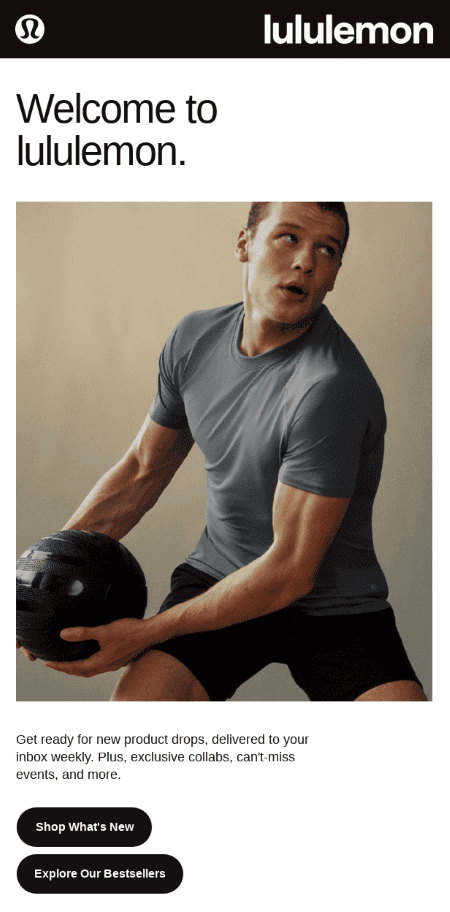
After a person signs up, automated welcome sequences engage them right away by introducing the brand, product, or service, guiding them through the onboarding process, and encouraging initial actions or product exploration.
Campaigns for App Downloads
By emphasizing the advantages of the mobile experience, such as ease, special features, or quicker access, these campaigns persuade website visitors or email subscribers to download a mobile app.
Onboarding Campaigns
Users may finish setup procedures, activate crucial features, or properly configure their accounts with the aid of step-by-step onboarding sequences.
Product Education Campaigns
Through tutorials, videos, use cases, FAQs, and best practices, educational campaigns present high-value product features to consumers.
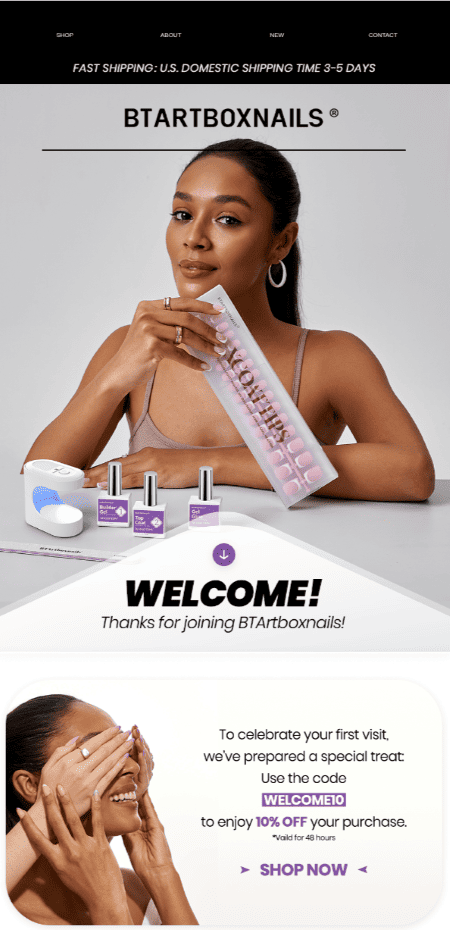
First Purchase Incentive Campaigns
These messages leverage discounts, time-limited offers, or personalized suggestions to entice customers to finish their initial transaction.
2. Engagement Campaigns
After the first activation phase, launch engagement initiatives aim to maintain consumers’ active interaction with the brand and product.
Behavior-Based Campaigns
Campaigns that are triggered by consumer behaviors, browsing patterns, or feature usage support deeper engagement and relevancy.
Frequent emails include thought leadership, product updates, industry insights, and instructional content to keep customers engaged.
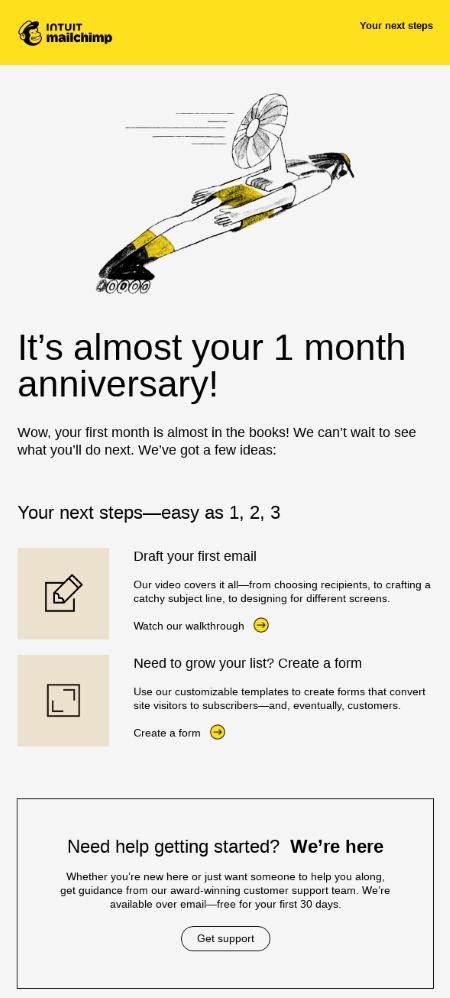
Milestone Lifecycle Campaigns
Positive reinforcement and emotional engagement are fostered through congratulatory emails that acknowledge customer accomplishments and highlight milestones, anniversaries, or advancements.
Campaigns for Feature Adoption
These lifecycle campaigns encourage consumers to investigate unused product features that could boost retention and product value.
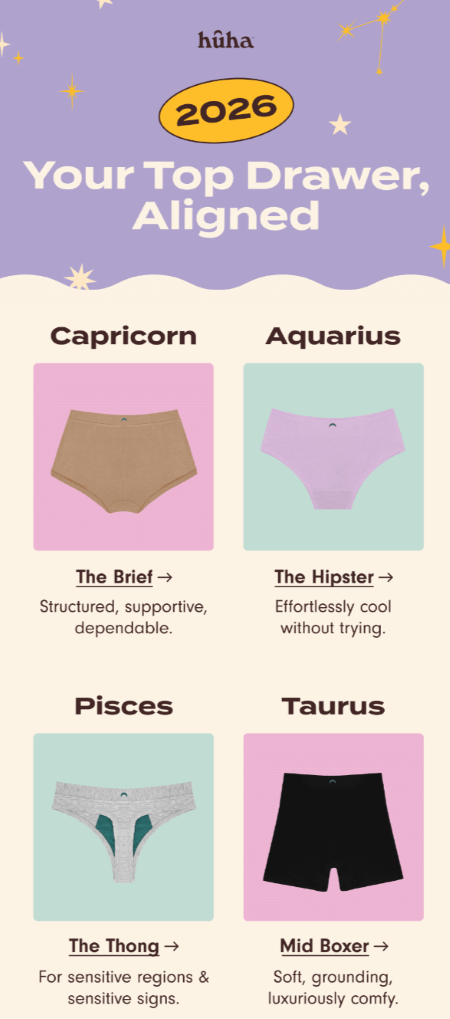
Campaigns for Content Recommendations
Ongoing contact is boosted by personalized content recommendations based on consumer interests, past purchases, or engagement patterns.
3. Conversion Campaigns
Conversion campaigns aim to encourage further purchases or convert active users into paying customers.
These advertisements encourage consumers to return and finish the checkout process by reminding them of incomplete purchases.
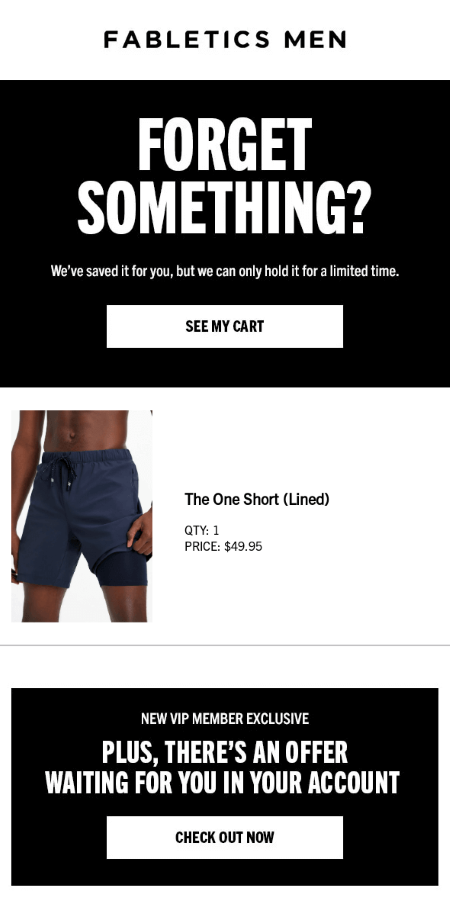
Browse Abandonment Campaigns
Users who have examined goods or services but have not taken any further action are re-engaged by triggered messaging.
Free Trial Conversion Campaigns
Before the trial period expires, these efforts encourage subscriptions or purchases by helping trial participants understand the product’s value.
Campaigns for Upselling and Cross-Selling
Customers are encouraged to buy complementary or more expensive products with personalized product recommendations.
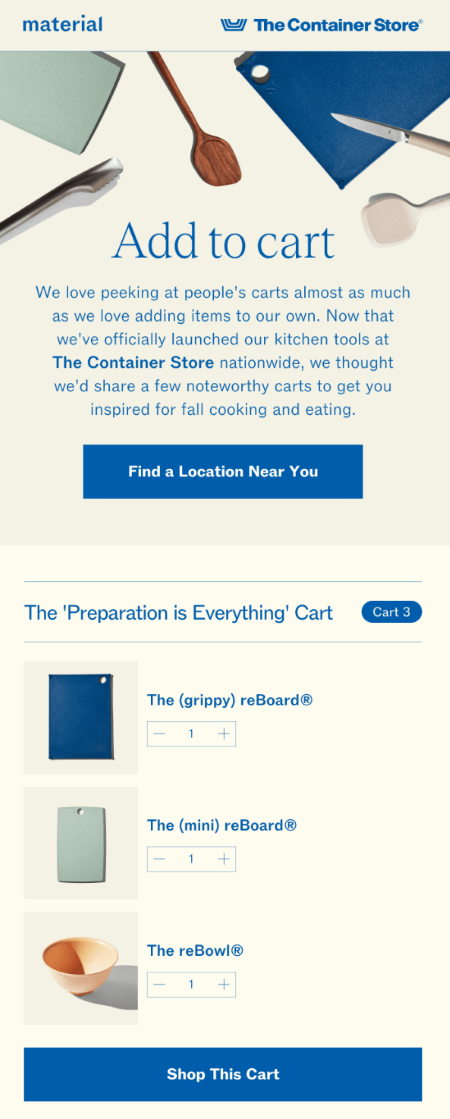
Limited-Time Offers
Purchase choices are accelerated by promotional strategies that use exclusivity and urgency.
4. Retention Campaigns
The goals of retention programs are to preserve client connections, boost recurring business, and lower attrition.
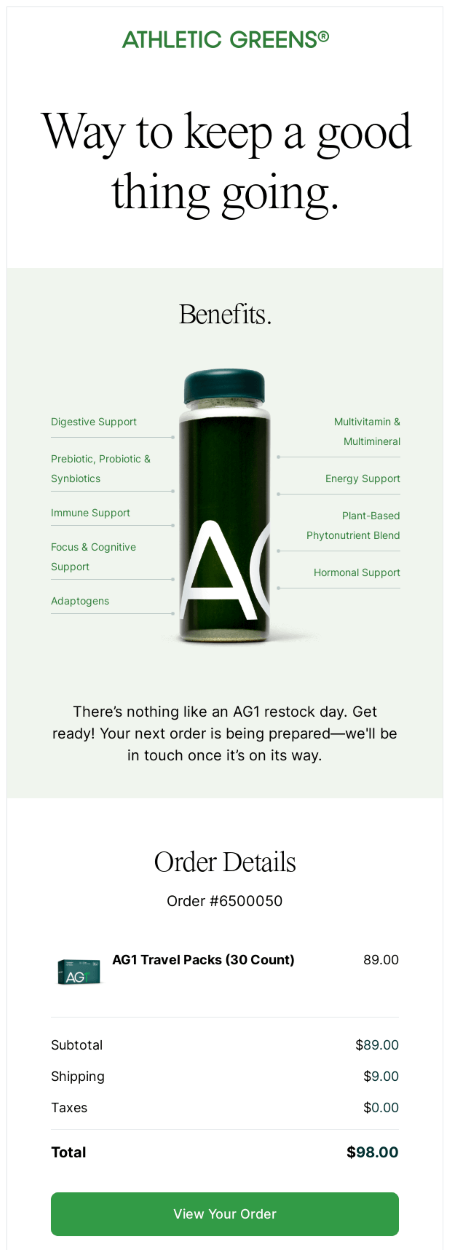
Replenishment Campaigns
Customers are encouraged by automated reminders to buy consumable or recurring-use items again before they run out.
Campaigns for Customer Loyalty
Long-term client connections are strengthened by loyalty programs, VIP offers, and incentive campaigns.
Subscription Renewal Campaigns
Retention-focused messaging and renewal reminders lower subscription attrition and raise renewal rates.
Campaigns for Product Usage
Through feature reminders, updates, or tailored recommendations, these ads entice inactive customers to revisit the product.
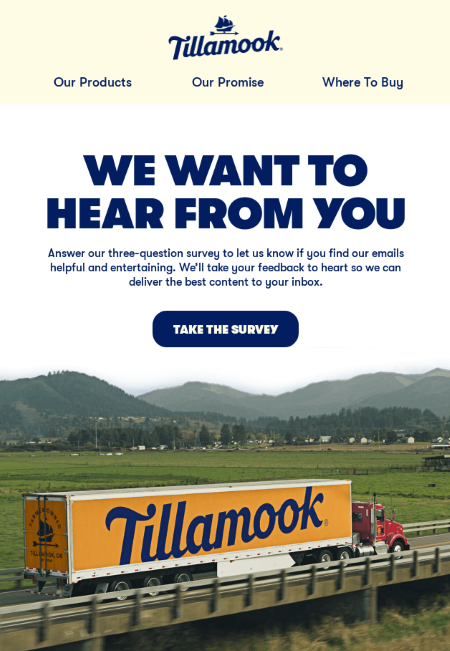
Customer Feedback Campaigns
Campaigns for surveys and feedback assist brands in gathering information while exhibiting customer-centric engagement.
5. Re-Engagement Campaigns
Re-engagement campaigns focus on consumers who are inactive, lapsing, or at risk of churn.
Through rewards, tailored offers, or revised product messaging, these initiatives aim to bring back inactive consumers.
Dormant User Campaigns
Before churn happens, behavior-triggered advertising detects inactivity and entices clients to come back.
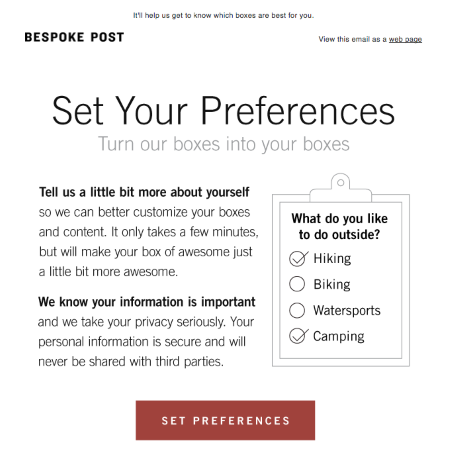
Campaigns for Preference Updates
Enabling users to modify their communication settings and preferences can increase relevance and lower unsubscribes.
Seasonal Re-Engagement Campaigns
Reconnecting with disengaged consumers might be facilitated by seasonal events, launches, or promotions.
6. Advocacy Campaigns
The goal of advocacy campaigns is to convert happy consumers into long-term brand promoters and supporters.
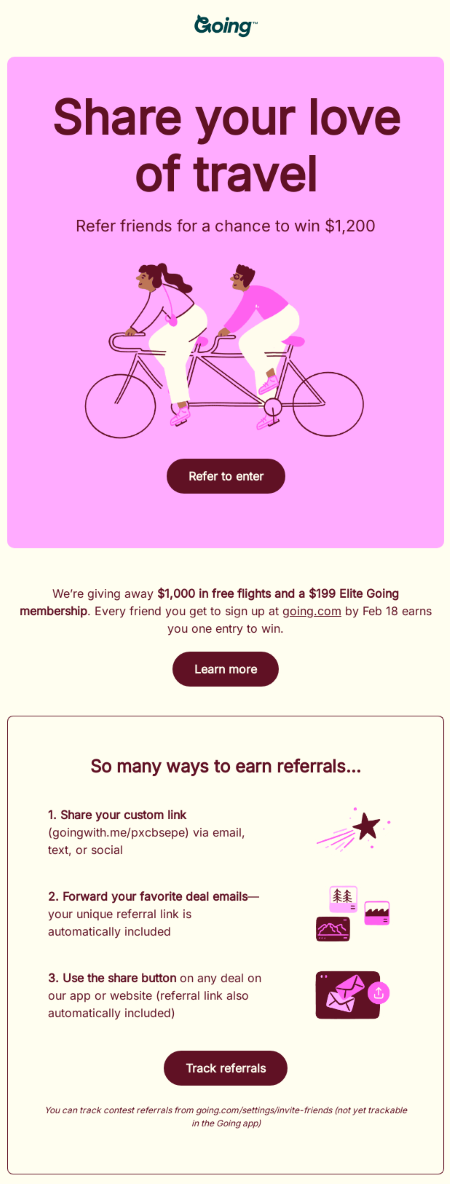
Referral Campaigns
Customers are encouraged by referral programs to tell their friends, coworkers, or peers about the brand.
Customers are encouraged to provide user-generated material, reviews, ratings, and testimonials through these programs.
Customer Success Story Campaigns
Showcasing client accomplishments increases loyalty and creates social proof for prospective clients.
Email and SMS Orchestration for Lifecycle Marketing Process
Coordination of communication across channels is just as important to effective lifecycle marketing as the messages that brands communicate. Throughout the client lifecycle, email and SMS orchestration enables ecommerce companies to provide more connected, timely, and personalized consumer experiences.
Lifecycle orchestration creates more coherent customer journeys by coordinating messaging, timing, and customer data across email and SMS rather than considering them as separate channels. Within the lifecycle marketing plan, each channel has a distinct function and should be utilized in accordance with client intent, urgency, and engagement behavior.
The Role of Email in Lifecycle Marketing
- Email remains the foundation of most lifecycle marketing programs because it supports: Long-form educational content
- Product storytelling and onboarding
- Personalized recommendations
- Newsletters and thought leadership
- Promotional campaigns
- Retention and loyalty communication
Email is particularly effective for nurturing customers over time and delivering more detailed or content- driven experiences across onboarding, engagement, and retention stages.
Lifecycle Marketing and the Use of SMS
SMS is usually used for quicker, more direct communication. SMS is best used for timely and high-intent interactions because it is very direct and has far higher open rates.
Typical use cases for the SMS lifecycle include:
- Reminders about cart abandonment
- Time-limited promos and flash sales
- Updates on shipping and delivery
- Reminders for appointments or renewals
- Back-in-stock notifications
- Re-engagement initiatives
- VIP and loyalty alerts
Because SMS is a more intimate form of communication, marketers need to use it cautiously to prevent overcommunication or client fatigue.
Common Mistakes in Building a Customer Lifecycle Journey
- Overfocusing on Acquisition
While underinvesting in client retention, engagement, and re-engagement stages of the lifecycle, many organizations make significant investments in customer acquisition.
- Using Generic Messaging
Relying on one-size-fits-all ads rather than utilizing behavioral data and customisation to provide more relevant consumer experiences is a typical error.
- Poor Cross-Channel Orchestration
Inconsistent customer journeys and message fatigue can result from disconnected communication across paid media, SMS, email, and on-site visits.
- Not Optimizing Lifecycle Flows
Even though customer behavior, products, and business priorities change over time, many ecommerce companies only create lifecycle automations once and seldom update them.
- Poor Segmentation and Data Infrastructure
Brands find it difficult to provide timely and successful lifecycle campaigns at scale without robust data collection, event monitoring, and segmentation capabilities.
- Prioritizing Volume Over Customer Value
Sending too many promotional messages without considering customer intent or lifecycle stage can reduce engagement and weaken long-term customer loyalty.
Conclusion
Developing a successful plan to target clients at every point of the journey requires time and effort. However, the payoff is totally worth it! With the right customer lifecycle marketing strategy, your ecommerce brand can increase ROI and foster customer loyalty by utilizing data-driven insights and personalized experiences.
If you don’t know where to start your lifecycle marketing optimization journey, contact Flowium. Our specialists will help you develop and put the correct plan in place to advance your marketing initiatives.
Frequently Asked Questions
How Do Lifecycle Marketing and Traditional Marketing Differ?
Reaching a large audience through mass media platforms like TV, radio, and billboards is the main goal of traditional marketing. Lifecycle marketing, on the other hand, is a focused strategy that aims to lead a consumer through a particular set of phases, from awareness to purchase to loyalty and retention. Lifecycle marketing seeks to provide a customized experience for every single consumer rather than attempting to reach a broad audience.
What Are the Advantages of Lifecycle Marketing for My Company?
You can increase income, strengthen client connections, and enhance the overall customer experience using lifecycle email marketing. You can promote loyalty, boost retention, and achieve long-term business success by interacting with customers at every step of their journey and providing the appropriate marketing messages.
Can Companies of All Sizes Use Lifecycle Marketing?
Yes, companies of all sizes can benefit from lifecycle marketing. Creating a customized experience for your clients and assisting them at every step of the customer journey may be advantageous for both small startups and huge corporations.