

Podcast Transcript
Vira 0:00
Dale is what we like to call the INFINITE BRAIN behind the operation. He’s a taxidermy guy, one of the big dogs of Wine Awesomeness, and he develops all the API’s, figures out the coding, and sometimes even shares a tip with our Klaviyo team at Flowium on how to like improve certain processes.
Alissa 0:42
Hey everybody, welcome back to Email Einstein. We’re here with another episode, Vira and Alissa here, and we have a very special guest. We are two email marketers at an email marketing agency called Flowium, and we’re super passionate about email marketing, and because we love what we do, we want to share our insights with you. Flowium is one of the fastest growing email marketing agencies in the world. We specialize in providing a premium, full service e commerce email marketing experience for all our clients. So our service is typically tailored specifically for your business, and it’s designed to help increase your online retail revenue by about 20 to 50% we deliver the right message to the right person at the right moment, and that’s what we’re all about here at Flowium. But without further. ADO Vira, please introduce us to our special guest today.
Vira 1:28
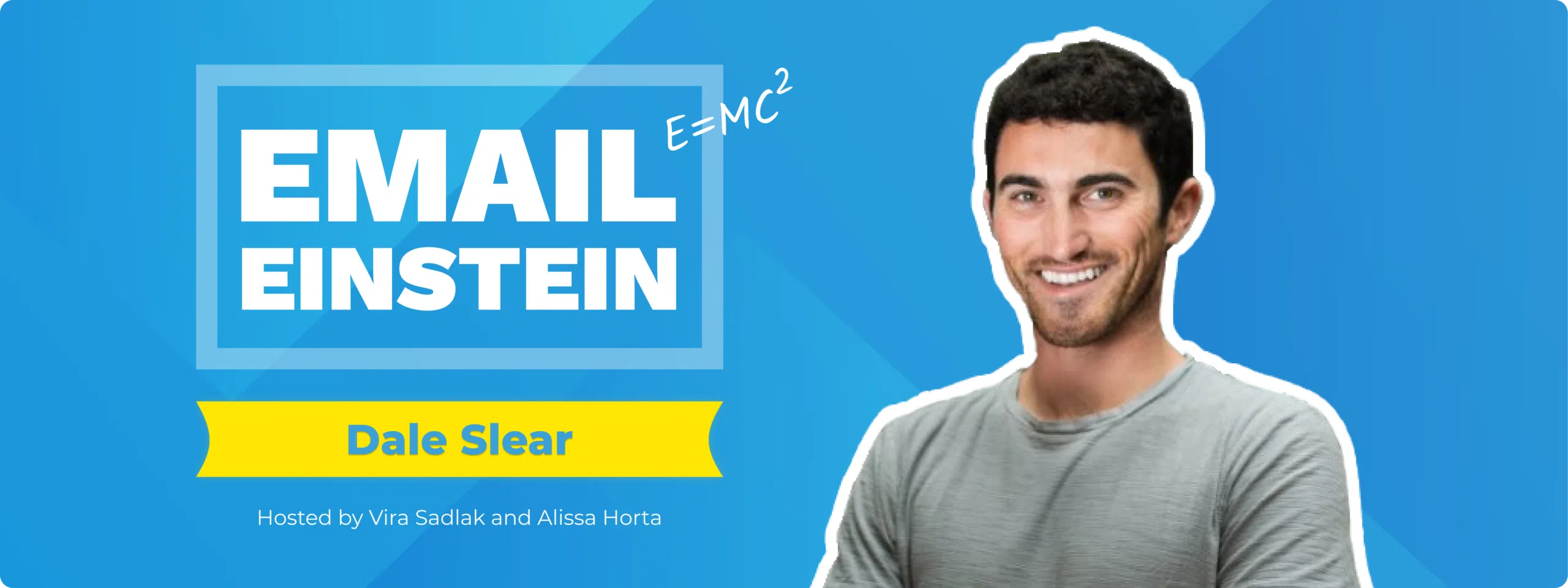
Hey everyone. We are super excited about the guests that we have on this show today. Can I actually call our podcast show I really like I really like it when we call it, I feel special. You know. Dale Slear he’s the co founder and the CEO of Wine Awesomeness, and as Logan mentioned in our previous episode last week, he actually called you his partner in crime. So Dale is what we like to call the INFINITE BRAIN behind the operation. He’s a tech savvy guy, one of the big dogs of Wine Awesomeness, and he develops all the API’s, figures out the coding, and sometimes even shares a tip with our Klaviyo team at Flowium on how to, like, improve certain processes. So he’s a easily fellow Einstein here, and we are excited to have you on our podcast today. Dale, today, we’ll get, like, really, really technical. So be prepared to listen to this episode like, maybe even, like a real listen to this episode a few times over before putting anything into action. So Dale, Hi, how’s it going?
Dale 2:34
Hey, what’s going on?
Vira 2:37
Do you like, the introduction?
Dale 2:41
I love the introduction I was actually, I just thought that you guys had that pre recorded and you would just add that in, but you guys are doing it live. So I actually it’s kind of kind of neat to listen to it happening all in real time.
Alissa 2:56
You get to hear what we think about you and how we introduce you in real time, which is nice.
Dale 3:02
Yeah, yes, that’s that was very nice. Like, you’ll feel like a god, so.
Vira 3:08
Last time we introduced Logan as one of the masterminds of the Wine Awesomeness, and he really, really loved it. So maybe that’s how we should introduce you as well. So what like another mastermind behind the Wine Awesomeness.
Dale 3:23
When you, when you introduced me, I think you did say CEO, it is, it is important know that it’s co CEO, just to put it out there, because Logan’s also a CEO. I think you made that switch recently, and it’s, you know, we wear many different hats for him, CMO, CEO, all the same. I mean, there’s so much crossover between working with with another person that you started a company with, because you just have to kind of pick up all of the loose you got to tie all the loose ends and pick up things that need to be done, because no one else will at the end of the day. It’s kind of less on your shoulders. It’s true, the buck stops with you, in a sense, so, but we do have our different temperaments, talents and convictions, that’s for sure.
Alissa 4:08
So that is for sure. And having worked with you both, personally, it’s very cool to see, like, the balance between the two of you where, like, Logan is very like, okay, like, this is an idea, like, let’s figure it out. And then Dale kind of, like, you go through the like, Okay, well, how, what are the different options, and how can we do this, and what’s the best way to do this? And Logan’s like, come on, come on, come on, let’s do it. So it’s really funny to see you guys, like, balance that off and like, play, play off of each other, and get things done and be successful as you guys have been. So yeah, it’s definitely, it’s been a treat for me, anyways, to watch in real, in real time.
Dale 4:44
So thank Thank you. Thank you. Appreciate that. It’s definitely if you’ve been around us long enough, you’ll you might actually get annoyed by some of the arguments that we have, because they just, they just go in circles. A lot of people, I think for a time, they called us Burton Ernie because. That’s whenever we were living together. We came to New York together, and then we were just living together. It’s just like these two guys that were just doing everything, working, going out partying, enjoying the wine business. And anyway, it is kind of funny or any but i digress too. So we were talking about email.
Alissa 5:23
Yes. But before we do, before we get there, we’re going to hit you with a quick blitz Q and A. So we have six, like, really quick questions. This is going to kind of give our listeners an idea of who you are, Dale, so no pressure. So we’ll get started. Just give us, like, the first answer that comes to the top of your head. Okay, okay, here we go. So first one, send in blue or Klaviyo?
Dale 5:45
That’s a hard one. Come on, it’s I’m just gonna say Klaviyo. I will say Klaviyo.
Alissa 5:51
Good answer.
Dale 5:52
There’s nuances. There’s nuances there. There are nuances. We’ll come back to that.
Alissa 5:57
Okay, favorite wine ever?
Dale 5:59
I would say Sauvignon.
Alissa 6:01
Okay. Cake or pie?
Dale 6:04
Apple pie.
Alissa 6:05
Oh, apple pie. Beach or mountains?
Dale 6:08
Beach, beach, 100%.
Alissa 6:10
Wow. Okay, plain text or image based emails?
Dale 6:14
Both.
Alissa 6:15
Okay and who is the real boss at Wine Awesomeness?
Vira 6:18
That’s a good one.
Dale 6:19
The customer.
Vira 6:23
Ooo, smooth.
Alissa 6:25
That is great. Oh my gosh, I even cackled on that one. That’s great. Okay, awesome.
Vira 6:33
Good warm up.
Alissa 6:34
I like it. I like it a lot. I like it a lot.
Alissa 7:13
Okay, and now we get into the the nitty gritty, the good stuff.
Vira 7:17
Right. But before we start talking about the actual email. Tell us briefly your story. Give us your background story. Where are you from? Where did you Where did you go to college?
Dale 7:31
In 30 seconds, here we go. Set. I grew up. I grew up in Myrtle Beach, South Carolina. Hence the beach over the mountains, like visiting the mountains, but Beach is always where my heart is. Always will be. I love the beach salt water to let it die, but also river. I grew up on the river, so I’m a river boy as well, so kind of like a brackish water and beach. That was just my life growing up. I was professional wakeboarder and kite boarder, going into as a high schooler and going into college, kind of made the transition from wakeboarding to kite boarding because of going from river to ocean. But anyhow, that was a that was a fun time going through college, being a pro kite surfer and teaching it as well becoming a master’s certified kiteboard instructor, teaching probably, I mean, well, over 100 people had a kite board, which has been really cool. That’s one of the best sports in the whole entire world. Really is cool doing it, yeah, and any chance I can get, it’s a little harder in New York. You still have out east, you can go out to and kite there. I’ve connected with some pretty cool people out there. What’s interesting about kiting, what I liked about it is you get connected with so many people. A lot of people that kiteboard are entrepreneurs or have a little bit more of a free lifestyle. So I think that that alone is kind of a hindrance to get into the sport, but then also being able to kind of drop what you’re doing and go kiteboarding anytime you can is kind of part of being an entrepreneur, you have more time. So anyway, how’d I get on that tangent? I like high boarding. It’s fantastic. It’s amazing. I actually studied in college. I studied German, so that was my major. Wow, there’s a different story there. But I actually started off with computer science, and then ended up always having my minor be in German. And I didn’t like the teacher in my computer science department. I thought that they were just teaching as irrelevant. And so I dropped out of that major, and then made bumped up my minor to my major, and had a good time with that, like language. It brought me over to Germany, where side note in a wakeboard tournament there, while I was there for the summer, and over the German national champion, just kind of cool little feather to put in the cap. That is so nuts, I know. Then after after college, I stayed around in Charleston, and that’s where I went to school, is in Charleston. College of Charleston, with Logan. We were in the same fraternity where I was the treasurer of that fraternity and he was the social chair. So I was kind of managing the money, managing operations of the fraternity, in a sense, making sure people were paying us and, you know, giving Logan a budget to be able to go recruit new people and have parties, etc, which is fun. Then after college, didn’t see kiteboarding really being the thing that was going to me to the next level in the professional world. So I worked for another startup for a while, which had nothing to do with anything that I’d previously it was a physical education Equipment Company, which is cool. Brought me to around the United traveling and as a salesperson, but I had also started to manage their website, and started my first little glimpse of managing an email list and seeing some of the power that could be had on a sales perspective of managing an email list effectively by going to trade shows, grabbing emails and staying in touch with people. So that was kind of like my first little glimpse of that. Then I departed that company and started my own media company with a friend of mine, where we got into drone videography and photography. Right when drone videography and photography was it wasn’t anything like now, where you can go and buy an amazing $25 drone from DJI and make immaculate cinematography with, you know, this that we had was hand built by my, my partner there, who was an engineer, and we had like, $30,000 invested in the thing, and it barely fit in the back of my truck, in the back in the in the pickup. So it was a big it was a big thing. You know, eight blades. Each blade has about as big as your forearm and your hand combined. And we did, we did well with that, until we did it, because FAA came down on drone videography, photography and that entire business model. So we got kind of grounded from that. And at the same time, we were starting to kind of play around concept that Logan to me like a year prior. So I was kind of balancing two different businesses. One was the media company that I was partners with somebody else. And then the year prior, Logan had talked to me and say, Hey, I got an idea for this company like me down at this wing joint Sullivan’s Island. I met him there, and he was like, I want to get into wine. He was all jazzed up from this, this conference that he just went to. And I was like, great. I don’t know shit about wine. So what does that have to do with me? You know? He goes, Yeah, you know how to build websites. Yeah, you know that. You know how to, you know to build websites and stuff. Say, Well, I don’t know how to build e commerce sites and how to build, like WordPress. I don’t know anything about like the transactional side, you know. So that’s where it started. I mean, I said, Yeah, let’s give it a shot. And then that was kind of just this idea that was brewing, and we partnered with a few other people, and from there that started growing, it came to a point where we ended up raising some money, a little bit of cash, which allowed us to kind of make a decision of whether or not to continue with our other businesses. And for me, that made it pretty easy, because the FAA just gave us a cease and desist letter to do business. So that side of my life was kind of shutting down in the sense, and at least for the time being, because the FAA still needed to go through all their processes. And now there’s, like, really good ways that you can operate a drone business legally, you know, under the FAA guidance, etc, which is great, but I’d already moved on into wine at that point, because I just said, Hey, you know what? Let’s commit all of our time and energy into this.
Vira 13:43
From the beginning, he basically was the technical guy, Wine Awesomeness, right? So you were overlooking, yeah, store and all the technical things, right?
Dale 13:53
I’ll say this at first, Logan was, Logan was pretty gung ho about doing this, and he also had some money that he was putting behind it, and I knew about WordPress, and that’s kind of where my my knowledge stopped. Was at that part he had another friend that that we kind of rented, in a sense, e commerce site that was kind of tied into a fulfillment center. Anyway, it was a real closed system, and it was our first experience, my first experience working with an E commerce site, and man, was it a piece of shit. I would say it was so slow and it was so limiting. Everywhere you click, it was like, You can’t do that. You have to unlock it, or go to the Chinese who built it and set up like, a special dev request to get that like feature added on or like adjusted. We did everything we could to make it work, but ultimately, that site completely failed at the point in time when we had a hell of a lot of traffic come into the site from this big deal that we launched on. We launched a big promotion with one of those like Groupon, like sites, you know. Yeah, and traffic just, I mean, it did really well, and it was our first real big taste of this. This, like E commerce to come, but our site couldn’t handle it. So, I mean, everyone was going into it, and the site was just literally shut down. It couldn’t handle the bandwidth, the traffic, anything interesting, and you can only handle like, five people at a time checking out. It was so bad.
Alissa 15:21
Oh, my God.
Vira 15:22
What year was it like? 80, 80 something, 89 it doesn’t this number doesn’t even like register in my head, right?
Dale 15:32
You would think that this platform is built in 89 that’s for damn sure. And I bet you it was, it was on @net ASP cart.
Alissa 15:41
Oh, yeah.
Dale 15:43
That was, honestly, that’s whenever that was, like a wake up call and go, Hey, you know, like we’re gonna do this. No one else is jumping in here and learning everything that you can about this technical ability. So let me jump in and roll up my sleeve. So I started on that process of analyzing different shopping carts. And by the way, I think that was 20, 2012, I think is what it was.
Alissa 16:06
Wow. So really, not long ago al all.
Dale 16:08
Like you had these other sites, I mean, like, no, no, no, it wasn’t that. It was that long.
Vira 16:13
And you guys decided to use Magento, right? So that’s something that you’re using right now. So why? Why this platform? Why not Shopify or or whatever like, how has this platform helped you guys to achieve your goals that you were kind of looking to attain?
Dale 16:28
Well, yeah, I think it’s important to know and understand that, you know, I had a really bad taste in my mouth from utilizing a platform that was already pre built, that was kind of pigeonholing us and everywhere that we turned. Oh, no, you can’t do that. You have to customize that. Or no, you can’t do that. It was a very proprietary technology. So that gave me a really bad taste in my mouth. I was used to having worked on WordPress, where you just had infinite knowledge out there about the platform. You could Google it. You can figure it out yourself. You can tinker with it. I played around with Joomla sites and Drupal sites and so on. When it came to e commerce, I wanted something similar, that we would always be able to no matter what it was, a yes, not like a no, you know, like I always wanted to know that the possibility was there to do something so, you know, I looked at Magento, big commerce. I had a long list of ones that I looked at, made a whole plot and diagram, and did the pros and cons. And ultimately, the thing that appealed to me so much about Magento was the ownership of it. We, by the way, jumped in on the Community Edition, not the enterprise side there again, giving us more flexibility with being able to develop our own platform on top of it.
Vira 17:40
Just a quick question. Like, unrelated, are you using Android or Apple phone?
Dale 17:46
Apple phone.
Vira 17:47
Yeah, I’m just like wondering, because this, like, usually people who like to go into the platforms, like, change their things and like, like, build everything from scratch, usually, usually they prefer not Apple phones, but, but, and Android, because you can, like, change a lot of stuff. So that’s that’s interesting, and it obviously gives you so much, like, power. You can do whatever you want and like, with this platform now, and it definitely helped you guys achieve the goals that you had in mind. So yeah.
Dale 18:18
Magento gives you all the rope you need to hang yourself, though, that’s the problem. So just because you can do it doesn’t mean you should, either, and Magento allows you to do whatever the hell you want, but there are reasons that maybe it wasn’t built into the core application. You know, I do think that, but it’s also interesting, because then you start to really learn more about Magento, and you go, wow, that’s kind of interesting way that they built that maybe we can utilize that feature in like, splitting up our warehouses, you know, and how people can utilize and see the products that we have in each warehouse. Maybe I can use the multi store functionality of Magento to do that. Oh, wait, I can that’s awesome. Let’s build on that. Shopify didn’t have that. That was like, one of the biggest things, okay? Because I will say this, I’m always looking out for the next software to kind of take a look at. I always say I’m a bit of a software slut in a sense, you know, I’ll just, I’ll jump ESPs. No, no problem. If there’s a better, greener grass on the other side, I’m there. I just haven’t, I haven’t had the that same kind of feeling towards another shopping cart. And I do analyze it like every year. And Shopify is great, don’t get me wrong on that, but if you’re trying to do something at all that’s outside of the box, and then Shopify, I just don’t think that it’s, it’s, it’s, it’s, it’s the platform that’s the best.
Alissa 19:43
Right. Yeah, and that, and that makes sense, and especially for again, like the way that you guys have things set up internally, and the fact that there’s someone like you that exists in the company who likes to kind of go into that kind of stuff and figure out, like, okay, how can we tailor this as much as possible to fit our needs, that’s huge, whereas I think Shopify is like a nice kind of it’s a version of something that’s kind of like one size fits all where it’s like they’re going to do mostly what you need to do for a pretty standard E commerce business. But if you want to get really, really fancy or really technical, it’s unlikely that you would be able to kind of customize anything that you’re looking to do that’s really special. So that’s interesting. That’s.
Dale 20:22
I would, I would agree, if you don’t have someone like me on your team, don’t even think about Magento. It’s, it’s like, don’t even, don’t even go there.
Alissa 20:32
Yeah.
Vira 20:32
And I feel like there’s not enough resources even, like in the internet, there’s so much about like Shopify, but very limited amount of resources about the Magento. So.
Alissa 20:43
Right.
Vira 20:43
Literally has to know the platform. So yeah, for sure, big one.
Dale 20:49
I want to, I want to fact check you on that one, there’s way more resources on Magento than there are on Shopify. 100% Magento has been around longer. It’s got much of a larger community open source. Shopify is not open source.
Vira 21:01
Oh, really? Because maybe that’s because I work with Shopify, and I mostly like Google them, and I find each and every answer. So that’s why, probably.
Alissa 21:08
Yeah, yes, I think Magento is one of these, one of those platforms that, like, we don’t personally work with a huge amount, like, I mean, Wine Awesomeness is the first client that I’ve worked with, personally, that that deals with Magento and most of our other clients do Shopify. It’s interesting to see because it’s kind of like, oh gosh, Magento. Like, how are we going to deal with this? You know, like, what is going to look like when you integrate it with Klaviyo? But it’s probably just a case of us not being same way brained as you. Dale, so we’re like, looking at it, and we’re like, oh gosh, what is this? Whereas you’re like, Oh, let me just figure it out, this is the code and, you know, so for us, it’s like, there are no resources. But for but for you, you’re like, No, no resources exist everywhere. Let me tell you.
Dale 21:54
Yeah, let me I’ll be clear, the Magento resources are on, like, Stack Exchange. They’re like PHP examples, or they’re like code examples, they’re not like user interface examples, but there’s, there’s an entire Magento store outside, just like Shopify has all the different applications. I mean, it’s so well built outside by the community and by other companies that build these modules and extensions. So like, there’s just as much, if not more, I would put my, I’d put money on it that Magento has way more, many, way more resources.
Alissa 22:26
Wow.
Dale 22:26
Than Shopify out on the thing.
Alissa 22:27
Interesting, maybe we’ll need to, we’ll need to have like.
Dale 22:31
Shopify is built in, yeah.
Alissa 22:32
Well, we’ll need to have like.
Dale 22:33
Magento.
Alissa 22:35
People have to have like a Flowium account manager, like training Magento training day with you where, like, You’ll just teach us everything that you know about Magento. So the next time we get a Magento client, we’re like, Aha, we know what to do.
Vira 22:49
Okay, so let’s go back to the beginning. So you guys had to find the way to grow your email list, and you did, and we partially covered it in our last episode, so you did it through DojoMojo. But when your list grows, then what like, how do you decide which ESP is best for you and is best for your growing business and best for your subscriber? Initially, like, What options did you compare and which one did you pick again?
Dale 23:18
Cool. I think that’s a great question. And And to start off, you know, between any ESPs that you decide, I just, I’ll say that no matter what you decide the ESP is for you today, it’s going to change. So like, as you grow and as your needs change, like the ESPs, I think, are the fastest and easiest things to switch, I guess, with the Klaviyo being, if you have, like, a ton of flows, it’s probably more of a pain in the ass, but at the same time, when you’re just getting started, I mean, pick the one that’s free, and that’s what we did. We were started off on MailChimp. I looked at constant contact and whatever other ones that were free. I think Infusionsoft had a free version. I tried them all. But the thing I liked about MailChimp was, at that point in time, we were a lot more focused on editorial, even though, I know it’s a funny story that’s like, you know, your E commerce, but we had a lot of a lot of energy that we were putting into the media side of our business, you know, creating videos and content and copy around, like wine as this lifestyle, and then you happen to have wine over here that we sell a big shift over the last two years in our business model, to have have done something different. But at that point in time, we are really going on MailChimp. And if you are already e commerce driven, I think that there’s no question that Klaviyo is what you want to have. MailChimp has a lot of integrations with E commerce sites. I mean, Shopify, I don’t know if they have Shopify, I think at some point they like canceled it, right? It’s been a while, but I know they have a lot of integrations, and they can help you out with conversions and monitoring that, but they’re just not really set up. They’re built. Off of more of a marketing side for images and prettiness, and it’s a great platform. But when it comes down to E commerce, there’s like, one choice that does really, really, really good at handling all these use cases for E commerce, and that’s Klaviyo. Downside to Klaviyo is expensive, so as you’re building this email list, and I’ll kind of go back to that expensive part, because it can get real expensive real quick if you’re using these platforms that kind of handle all this stuff for you. So we were on the free model of MailChimp at that point in time. This is like, what, 2014 I believe, whenever we first moved up to New York. I think our email list at that point in time is only like maybe 20, 30,000 it wasn’t that much before that. It was only like friends and family in 2013 and then we built it also doing, like, some our own giveaways over the course, from like, I remember when we passed 5000 that was a that was a big deal. And they were like, Oh, this. Can we get 10,000 can I get 20,000 and it was all built off of the back of sweep tape. At the same time, our monthly bill was increasing, because, you know, we would with MailChimp. You start off at the free model, I think it was like 2000 contacts, and then you go up to the next thing. I think it was like 50,000 contacts. And I can’t remember how much that was, but once we started getting up to, like, the 100,000 that’s whenever you start to get into, like, some different tiers. And then you’re also sending ability gets limited as well, because, okay, say, you have 200,000 contacts, and MailChimp is charging you 300 bucks a month, but you’re on their shared IP address, or their shared hosting, or whatever it’s called, their shared IPs, and you’re sending out 30 times a month. Well, it’s not just 200 contacts, but 200,000 contacts, 200,000 contacts times 30 days like that’s a lot of email.
Vira 26:50
That’s how it works with them. I didn’t realize that’s how it works, because in Klaviyo, I think it’s different. You’re basically paying only for your active, not suppressed contacts. And I think you can, like, send as much emails as you want.
Dale 27:05
You’d be surprised. I think even, even with Klaviyo, they do have a they have a contact and send limit when you’re on shared and that’s very important. That’s a very important thing to understand, is the difference between like, shared IPs that all of these ESPs are kind of working off of, versus a dedicated IP. So now we can kind of get into some of these, like nuances that happen. It’s always like an either or, okay, great, yeah, you have 100,000 contacts. But if, let’s say 200,000 contacts, if you’re sending an email every day for 30 days to that 200,000 contacts, that’s 6 million emails. Well, you can’t do that under that 200,000 contact tier that MailChimp says that you’re allowed to, you have to read the fine print, and it should say in there somewhere, like, oh, 200,000 contacts, or an up to, like, certain amount of sends per month that you’re allotted to, because then, for their systems, you know, that looks like spamming or whatever else. It comes down for us, email was one of those things that, like we built the list. We had more contacts and more contacts every month that we were adding, you know, an extra 15, extra 20,000 extra 50,000 emails per month. And we were trying to see how many times that we could like, what kind of content we would send to these people to keep them engaged, because that’s one thing that we’ve always known was, you know, if you’re sending you got a list, great, but if you don’t send to them right, then what’s the point of having the list, not to mention owning the list and owning your contact base is probably the best thing you can do to your marketing side, because otherwise you’re spending your money on Google, Facebook and and those channels where, if you own your audience, then you’ve got it’s really how many emails you want to send them, you know. And for us, I remember coming to that conclusion that MailChimp wasn’t going to do it for us, because I think our bill was something like 4000 a month at the point in time, because we were doing.
Vira 29:09
That’s insane, yeah, yeah, I guess. And what is the return did even, like, make sense for you guys back then? Because, I mean, it makes sense being 4000 if you’re making like, $100,000 Right? Was it even worth it for you back then?
Dale 29:24
For us? No, it wasn’t, because we were mainly marketing and sending out emails that were driving people to our blog. And our blog had a bunch of content and really cool. Yeah, we got really good traffic to the blog. But I think out of out of the five emails a week that we are sending at that point in time, one at one a day, we would have some content and then have an offer inside, like, in the middle, kind of as like a like, a side note, in the sense of, like, Hey, here’s how you open up wine bottle, and here’s the top 10 glasses. You should think about using. And, by the way, join our membership, and we had some dedicated emails that we sent out. We it was, it grew our business. But I think the thing that grew our business more was when we shifted that focus from like, Hey, we’re what business are we in? Oh, yeah, e commerce, not we’re not a media company. You know? We’re not selling ads on our website. We’re not selling all this other stuff. We’re still stuff. We’re selling wine. And so once we made that shift in really, like late 2018 2019 we started doing a lot more emails towards our customer base about wine, specifically.
Vira 30:35
To more like educational content, right? Not just like promotions and stuff, right?
Dale 30:39
No, no, not educational. Promotions.
Vira 30:42
Oh, just promotions. Oh, okay, okay, got it.
Dale 30:45
Yeah.
Vira 30:45
Because I remember, I think I was, I found it either on your website or somewhere you guys had some kind of, almost like a magazine about why, or something like that, right? Like an education. Do you still have it, or is it something that you don’t do?
Dale 31:02
No, it’s something that it’s something that we decided was, it was, it was a booklet and it was cool. We put a lot of energy into, like I said in the beginning, we put a lot of energy into the content about wine, and we did it so that would go up into our blog, and then we would also put it into like a booklet format, and we would pick three reds and three whites per month and send that out to our customer base with this really cool little magazine, minimag called the back label. And that was great, but it just took a lot of energy and time to do that. When you’re getting to print, you have to be a lot more ahead of it. With getting to print, it’s costly. And yeah, exactly. So we made a decision that we wanted to start with, the addition of doing more promotional emails and actually becoming more of a mature e commerce company selling wine online. We decided to transition the booklet into our digital side, and so now more of the copy and the content that we put into it, it’s just accessible, like the recipes are just accessible on the wine cellar that we’ve created in a digital form. So, yeah, I mean, I liked the print material, and it’s also kind of wasteful in a sense. I mean, we surveyed our customer base and knew that even know about the book, some of them were absolutely in love with the book. And then some of them, like, I could go either way, you know. So, so how and go digital?
Alissa 32:40
So how have you guys been I mean, I know the answers to this question, but I think it’s really interesting for even other account managers here at Flowium. And also, just like for listeners, how have you guys been utilizing different ESPs for different parts of your business? Because obviously you guys have now transitioned from the MailChimp situation into Klaviyo. What we do here at Flowium with you, for you guys, specifically with the automations. You guys take care of the campaigns. But what other ESP are you using, and how is that being utilized for your business?
Dale 33:10
So going back to okay, you’re building this list. You have all these new emails. What do you do with them? Your bill starts to increase with MailChimp or Klaviyo or whatever it is. Eventually, if you’re sending more than a million emails per month, and I believe that’s where the cutoff is, someone’s going to approach you whether and you’re gonna get an email from MailChimp or someone else, I’m gonna say, hey, maybe it’s 4 million. Say, Hey, you ever think about doing a dedicated IP address, and that’s something I was like, What is that all about? You know, and when you go into that realm, it’s, it’s like, it’s for volume centers. It’s people who send a lot of email, and a lot of the companies do this, I started looking around, they had their different pricing tiers based off, okay, dedicated email. But the issue is that you’re then responsible for that one specific address, and you can drive it into the ground as well, and then you start getting into all the spam boxes. Whereas MailChimp and Klaviyo, with their shared their shared IPs, they kind of rotate these IP addresses in and out of the system, and that’s why they’re all so adamant about, you know, really good open rate is because they’re looking at all these IPs, and since everybody is sending email through everybody else’s IP addresses, ie shared IPs, then if there’s one bad apple, it kind of spoils the bunch. And now everybody’s emails start going into spam, not just the one company. So when you start to send that kind of volume, there’s also another thing that happens, I mean, you are going to like, you’re going to decrease your open rate. I can say that for certain, you start sending more volume, you’re and you start adding more emails to your list, your open rates going to go down. And personally, I’m okay with that. I like to keep our open rates at around 10% and I. Once it goes below 10% I start to like, Okay, what’s going on here? Maybe we need to clean up our list a little bit, and how I can get our, I can get our list of 2020, or list of 40% open rate, if you if I want, I’m just going to send the people that only open like, that’s very easy. You know, it’s like, open rate is such a very subjective you know, I was at with, okay, so ESP, you’re going to get to a dedicated IP address at some point if you’re going to send volume, and that dedicated IP address is where you have to be a lot more attentive to your sending habits, and you have to monitor your rating on that IP address. And it also gets more expensive once you start sending volume. So what we did, we went to a couple of different platforms before I ended on the solution that we have right now. And right now, we’re using a platform called Send in blue as kind of our lead gen first conversion type of emails. So basically, any sweet stakes and giveaway emails that we have coming in, anybody who signs up on the email list, everything they pipe in through, send in blue first, and once you’ve made a purchase, then you go into the Klaviyo system of flows, transactional emails, all that stuff. I did it that way because we’re at a point now where we’re sending, you know, on average, 24 million emails a month. Whoa. And that is very, very expensive. It can be very expensive. Send in blue is a lot less. I think we’re on a we’re on a plan right now for it’s like $3,400 for 18 million emails to send. It’s, it’s regardless of your list size, which I like. So I can have a list size of 2 million and send 24 million emails, and it’s based off of, okay, when I done with 18 million email credits, then I just buy another 18 million email credits, and it’s super cheap, right? Wow. Okay. The other option is you could go to send grid, or you can go to these other guys, which are great, and you can, you can set up your own IP address and but they don’t have the user interface like MailChimp or Klaviyo does, right, right? What’s good about SendinBlue is it does have that user interface that you can kind of interact with. You can build templates out of it. It’s fairly user friendly and easy to manage lists and set up flows, and they can basically do a lot of the stuff that these other ones do. It’s just a little bit more like, I would say, if you like to tinker with things, and you’re okay with jumping in and getting your roll up your sleeves, then, like, it’s a great platform. But if you don’t like to play around with things and and jump into the technical side of it, then maybe just pay out the Yin Yang with some of these other platforms that kind of work.
Alissa 37:40
It seems like a lot of guys have in place at Wine Awesomeness is because you like to kind of like, tinker with stuff. Is that right? That’s what it seems like a lot of the, a lot of the choices for for some of the platforms, are just because Dale likes to kind of work with it. And, like, let me see what kind of book out of this.
Dale 38:00
Yeah, I like to save money, in a sense, and I also like to understand how things work, and when I code it out, I mean, I did my due diligence on coding out, you know, what? What, what this, what this is going to be for us, and what our volume was ended up going with send a blue and I will say that, you know, we didn’t start off like the 24 million emails. It’s interesting is that my list size is around 2 million. Okay.
Alissa 38:25
Wow.
Dale 38:25
But I’m only sending to roughly around like 200,000 on average. But I’m sending to 200,000 on average four times a day.
Vira 38:35
Wow.
Alissa 38:36
Geez Louise.
Dale 38:38
30 days a week. I’m sorry, 30 days a month.
Alissa 38:41
30 days a week. I wish I was there 30 days a week.
Dale 38:47
You know, that’s, that’s, that’s borderline crazy, right? I would think so, but that’s kind of when Logan came to me in December of 1820, 18, I think that’s whenever we did that. He was like, he’s like, Hey, let’s, let’s start sending emails on Saturday. Like, why? Man, like Monday through Friday, you know? Why not Saturday? I don’t know. Give it a shot, you know? And we started sending emails on Saturday, and lo and behold, people buy stuff on Saturday. Who would have thought? And then we added, yeah. And they’re like, Okay, well, what about Sunday? And then we started doing Sunday, and then we basically filled up Monday through Sunday. Okay, well, here’s our current metrics. Here are the numbers we’re getting. Number one, we’re going to need more products because, like, you can’t keep on sending the same exact offer over and over again. I think that’s beating the dead, beating the dead horse, right, right, right. So we started to position the company and more of like, let’s buy more wine so we have more things to offer, thus being able to send more emails. And we started seeing sales list as, hey. I mean, who would have. Lot. You run more advertising on TV. Run more ads on Google and Facebook. Guess what? You’re going to get more sales. So like, why wouldn’t the same reason and conclusion happen with email? More email design. You’re, like, sending more offers, more people see them, then that’s fantastic. But with that also came like, Well, shit, man, re up on our bill, like, I’m have to buy more email credits over and over again. We went from like four, I mean, just sending twice a day, now, all of a sudden, I’m doubling the amount of emails I send, which is going to increase my email costs per month. So I had to really jump out of where we were at the point in time and look for an alternative that was more cost effective. And that’s when I found send in blue, which gave us a really good deal on 4 million emails per month, which I soon exceeded, and then had to do a deal with them for like, 8 million emails per month. Let’s do like, let’s do, let’s do three emails a day, let’s do four emails a day, and now we’re at four emails a day and 24 million emails a month.
Alissa 41:02
And soon, bar will be pushed again.
Dale 41:07
You know, I’ve done extensive analysis on this, and it’s, it’s interesting because people are like, You’re crazy. Like, that’s spamming. Like, no, it’s not. I mean, you get how many times if you go sit in front of the TV and see how many of the same exact ad you see in one sitting. You know, it’s over and over and over again. That’s what advertising is about. So we’re getting into the inbox. And there’s a very interesting phenomenon that happens with, you know, people shopping their inbox at the end of the week. You get someone who opens up an email on Friday, and you’ve sent them, you know, 30 emails by then they finally open up, you know, the Friday when they go check out the other deals that they have going on, and then they’ll end up buying something from Tuesday email.
Alissa 41:48
Yeah. No, it, I think it. I think it makes a lot of sense, because it is, and especially if you’re not wasting your time with, like, doing all the other marketing resources, then it’s like, yeah, why not? Why not?
Dale 42:11
Yeah, why? Why not? But hey, there’s one caveat there, and that is, you have to if you’re like, for us. We want people like, we encourage you either buy or you get off our list. You unsubscribe.
Alissa 42:14
Right, right.
Dale 42:15
I clean our list because I have to like, I need to keep it at around 200 or less 1000 emails on our list because we send so often. So I only want people that are really like new and fresh to get it like I’m not sending emails to people four times a day, 30 days a week that have not opened one email in the last 30 days. Those people get off my list. I’m basically scrubbing you from the list because I want you as a customer. I’m not trying to nurture you into being someone who reads my emails and then ultimately will purchase the old proverbial thing, get off the pot kind of thing.
Alissa 42:50
Yeah, that makes sense well. And the thing is, is I think your strategy makes a lot of sense if you’re being super adamant about cleaning up your list too, which I think a lot of people don’t actually take the time out to do, which is why there’s kind of like a best practice for when you’re a bit lazier on that side of things. But then also you can kind of push the mold a little bit when it comes to being proactive and making sure your list is clean, but also kind of getting in front of people as much as possible. So I think that makes sense, Dale, not to cut you off. We only have a couple more minutes. So last question for you before we end for today, and this is a big one, so get ready. What advice would you give your younger self about starting a business?
Dale 43:31
You asked me earlier that you were going to ask me this question. I wrote it down and I was I was going to think about it.
Vira 43:38
You know, you know what your partnet in crime said?
Dale 43:43
What did he said?
Alissa 43:44
Yeah. He said, run.
Dale 43:48
No, I wouldn’t say that. I think being naive is probably the best gift that one could have as starting a new company. I think that you should not overthink it. You should just jump in and do it, because that naiveness is kind of your advantage in in the business world. But with that being said, if I was going to do it again, I certainly would want to be a lot smarter in every aspect thing that we kind of took on, I would be a lot smarter on it. So if I was going to give myself advice to my younger self about starting any business, I would say, I just said, Go. No, it’s so hard not run. Come on.
Vira 44:34
I think, I think it was a joke, right? It was so different, like the way how you approach the same question.
Alissa 44:41
I know it’s great. It’s great.
Dale 44:45
Yeah, give me, give me a second. I know I have a good answer.
Alissa 44:50
I think he said, run and but then he was like, just make sure that you have, like, an idea of what you’re doing before you go into it, like, in the sense of, just don’t go into it blind. Line because there was a, there’s a little bit of kind of research done on the back end of Wine Awesomeness before you guys actually started. A tiny bit. Anyways.
Dale 45:09
Yeah, yeah, tiny bit. We definitely went in. We definitely went in blind. But I also think that that’s kind of the beauty of it is, you know, going into us sounds great. You just jump in before you know it, like you’re kind of too deep in, and then you’re even deeper, and you’re in a deeper and then you’re like, Well, how do I What? Wow, I’m pretty far down the rabbit hole here. Yeah, let me then I’m sorry I’m kind of blanking on that. I don’t know what I would I don’t know what I would tell myself. You know what I would tell myself? I would say, I would say, Dude, all the dedication that you’ve put into everything you’ve done with sports this point in time, you know you’re not going to land your first trick. You’re not going to land your second. You’re going to have to smash your face in over and over again, yeah, and maybe a lot of broken ribs, and it’s gonna hurt, and it’s gonna suck, but eventually you’ll, eventually you’ll come through, you know, and, yeah, yeah, I think it’s, it’s, I read it somewhere. I think Sam Walton said it or, and one of those, one of those books, you know, it’s business books that you’re in, like, you know, how many people give up? Like, 90% of people give up after the first failure, and then or 70% give up after the first failure, and then 80% give up after the second failure, and 90% give up after the third. And people who keep on proceeding and going on are the ones who win, and that’s ultimately what happened. So I think what I would say to my former self, is there is a light at the end of the tunnel. Keep your head down, and you’ll see some fruit come out of those trees that you’re that you’re planting that seed for.
Alissa 46:54
The vineyards, vineyards that you’re playing, that’s funny.
Dale 46:57
Yeah, something like that.
Alissa 46:58
No, I It’s great. I think it’s great. I love it, and I like the analogy. Go to the to the pro, pro kite surfing. That’s awesome. That’s really awesome.
Dale 47:06
And don’t be afraid to send more email. It’s okay,
Alissa 47:10
Yeah, exactly. Buy the token, send all the emails. Do what you can.
Dale 47:49
Send them all.
Alissa 47:18
That’s great. Well, Dale, thank you so so much for joining us today. We really, really appreciate it all your insights, and it’s great because it definitely gives us another perspective on on on how e commerce businesses should be approaching not only email, but just kind of their business in general, and the decisions that they make when it comes to the platforms that they use and everything like that. So we really appreciate it. Thank you so so much for for joining us today and guys, make sure that you check out wineawesomeness.com. I actually have a monthly subscription, and it’s awesome, so make sure you check it out wineawesomeness.com, we will also include a link to their website for you in the podcast description. Thanks again, Dale.
Dale 47:54
Thank you guys. Bye.
Vira 48:03
So that was an intense and very informative podcast, and you guys will have to re listen. You will have to go back and listen to this podcast. And hey, if you want to hear more good stuff from us, don’t forget to subscribe and share this podcast with your friends. And if you have any questions at all that you’d like to ask to feature on our podcast, send them at flowium.com/ask and if you want to get involved in a community of email marketers, ecommerce entrepreneurs and just email nerds, basically join us at flowium.com/community.
Alissa 48:41
And if you are interested in getting some more advice on how to establish a solid email marketing strategy for your e commerce store, make sure that you visit us at flowium.com/contact, and you’ll be able to sign up for a free consultation where you’ll speak to someone similar to myself or Vira, where we’ll kind of go through what you currently have in place and how you can optimize it for your brand moving forward. So definitely check that out.
Vira 49:05
And next week. Tune in next week for sure, because we will be discussing some content ideas for the holiday season. Because, hey, your holiday season is not just your Black Friday promotional email and your Cyber Monday email, right? You have entire basically two months, and you have to communicate with your customers. You have to send them some relevant information. So don’t miss that episode. It’s going to be fun and will be more like entertaining one, but we have a ton of cool ideas that you can use in your business. So come and joy.
Alissa 49:28
Holidays are coming, holidays are coming. I love that little.
Vira 49:34
It’s from the 80s or from 90s?
Alissa 49:40
I don’t even know. I’ve heard it in a commercial when I was in college and I was in college not long ago.
Vira 49:46
I was like in school.
Alissa 49:48
Really? I’m I’m not really good on, like, the pop culture knowledge, so that’s probably why I didn’t know it before. But anyways, holidays are coming, people, so check out next week’s episode.
Vira 49:52
Yeah.
Alissa 49:56
Thanks for listening. See you next week. Have a good one.
Vira 50:04
See you next week. Bye.

Vira Sadlak
Podcast host, marketer, traveller and a life lover from Vancouver, Canada

Alissa Horta
Alissa is an email marketer that is passionate about relevance!