

Podcast Transcript
Vira 0:00
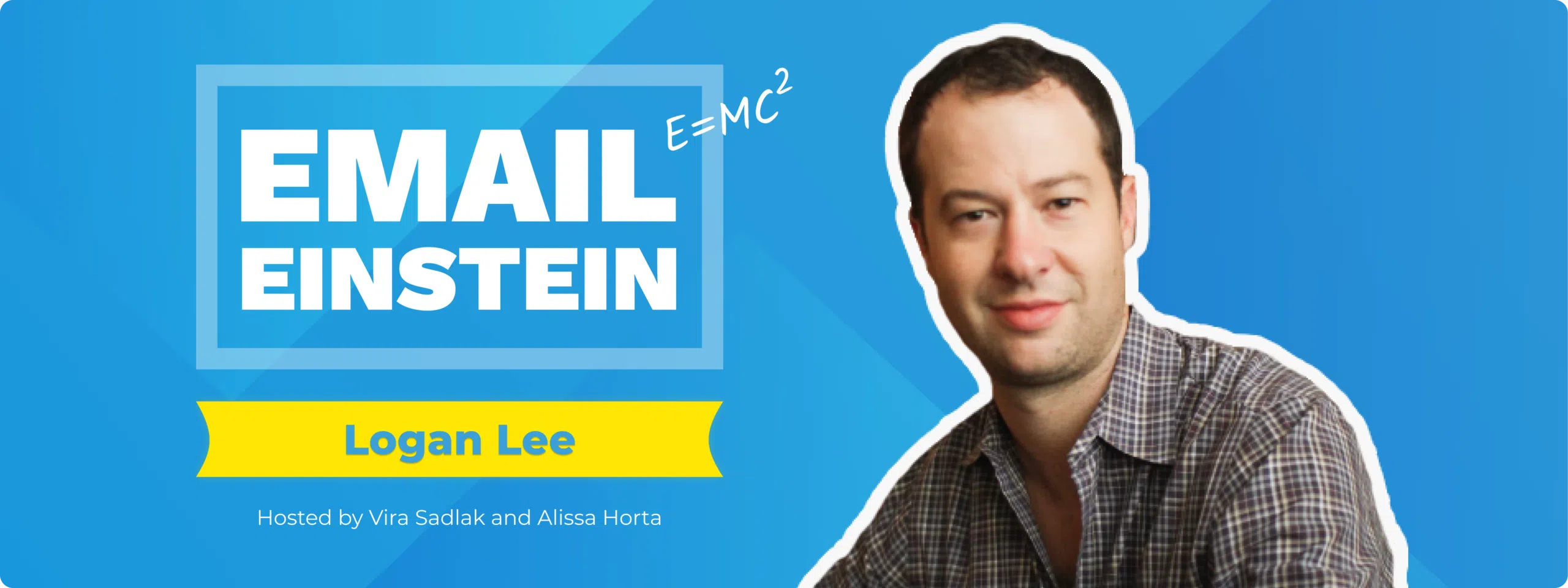
Today’s guest is Logan Lee, co founder of the mastermind behind the Wine Awesomeness, as well as the co founder of DojoMojo.
Alissa 0:31
Hey everybody, welcome back to another episode of Email Einstein. Vira and Alissa here with a special guest. We are two email marketers at an email marketing agency called Flowium. Are super passionate about email marketing, and because we love what we do, we want to share our insights with you. Flowium is one of the fastest growing email marketing agencies in the world. We specialize in providing a premium, full service e commerce email marketing experience for all of our clients, and our service is tailored specifically for your business, and it’s designed to help increase your online retail revenue by about 20 to 50% we deliver the right message to the right person at the right moment, and that’s what we’re all about. And Vira, please take it away, because we’re super, super excited about today’s episode. We’re going to be learning a lot, so.
Vira 1:18
Oh yeah, it’s my pleasure to introduce our guest. Hi everyone. By the way, we’re super excited about this podcast today, and we will probably be doing less talking because we have a lots and lots of questions to our today’s guest. So today’s guest is Logan Lee, co founder, the mastermind behind the Wine Awesomeness, as well as the co founder of DojoMojo. We won’t do a lot of talking here. It will be better if you hear it directly from the source. But to put in bluntly, Logan Lee is doing a big things to shake the world of E commerce from like founding a company that helps brands with their email list. This is a huge one, especially for us in email marketing industry, to another company that has changed the way we we think about wine. We wine at home. So today is going to be packed with some great insights, with some useful information. But before we get started login, we have this little cute warm up game for you. So we’re going to ask you quick set of questions, and you’ll just answer the first thing that comes to your mind. Okay?
Logan 2:23
All about it, and I don’t think I’ve ever been called a mastermind before.
Vira 2:26
Did you like it?
Logan 2:28
Flattered.
Vira 2:29
I know, I know. Who would be playing you in the movie about the Wine Awesomeness one day? Who would be there?
Logan 2:37
So a lot of people say I look a lot like Tom Hanks and maybe a Colin Hanks or Colin Hanks son, like the one that, like, just started barely getting into the B movies.
Vira 2:48
I know I know.
Logan 2:48
Also known as the grandson of Tom Hanks.
Alissa 2:52
Okay.
Vira 2:53
And you definitely have this, like Brett Pitt vibes as well. So, okay, Alissa. Alissa hit us with blitz Q&A.
Alissa 3:03
Okay, so today’s blitz Q&A, Logan, are you ready?
Logan 3:07
Do it.
Alissa 3:07
Okay. What is your favorite US city?
Logan 3:11
I mean, that’s that’s real, that’s extremely tough. I love home base is Brooklyn, but I really kind of got my life somewhat quasi in order. And went to school in Charleston, South Carolina, and it is one of the most amazing, amazing cities anywhere in the world.
Alissa 3:27
So Charleston is where your heart is?
Logan 3:30
Yeah, I’d say work, and a little bit of heart is in Brooklyn. But Charleston’s a special place.
Alissa 3:35
Ok, red, white or sparkling wine?
Logan 3:40
All the above.
Alissa 3:41
Good answer. That’s a great answer. Texting or talking?
Logan 3:46
I’m definitely more of a texter.
Alissa 3:48
Okay, favorite food to drink wine with?
Logan 3:52
Ooh, that’s a great one. I’m a huge barbecue nerd.
Alissa 3:55
Okay.
Logan 3:56
Kind of barbecue? So, yeah, I probably say, Oh, good. Some, some sort of barbecue.
Alissa 4:00
Okay, baby panda or baby penguin?
Logan 4:04
I mean, the penguins are just so cool, like they have their there are there any movies about pandas? I mean, there’s, there’s movies about penguins. I’m going to penguins.
Alissa 4:12
That’s a good one. Best wine to pair with a burger?
Logan 4:17
Great question. A lot of people don’t know this, but Malbec, most people think of it being from South South America. Is originally from a village in France called Cahors, and it’s like the second or most cheap glass on the menu, but is awesome. So it pairs with anything, but really great with a burger.
Alissa 4:41
Nice. Okay, see or.
Vira 4:35
Actually Cahors, that’s something that we had like back in Ukraine when I was growing up in churches. So that’s what they are, like, giving you the Cahor.
Alissa 4:43
Really?
Vira 4:43
Yeah, yeah. So that’s, that’s the thing. It’s, it’s tasty.
Alissa 4:47
I love that. Yeah, we’re gonna have, like, a fountain of knowledge just spilling over today in today’s podcast. Okay? And last question for you, Logan, is Santa real?
Logan 4:49
Of course.
Alissa 4:50
I like your answer. Okay. Awesome.
Vira 5:00
I like this guy already.
Alissa 5:02
I know. It’s gonna be a good it’s gonna be a good episode.
Vira 5:05
And he’s a team baby baby penguin as well. So it’s gonna be a good podcast. It’s gotta be. So Logan for those who don’t know you or who don’t know your brand, how would you describe your brand? What is Wine Awesomeness and why it’s awesome?
Logan 5:21
Well, I mean, to me, it’s like really surprising that wine, to me, is already a really, really cool and interesting thing. And I was a poli sci kid in college, so I always loved the story behind different places and and different things. And I think wine is just really unique because it changes every year, and it is from all different places in the world, and has a backstory in Eastern Europe and until the end of the really the Cold War in the Soviet Union, a lot of wine never made it to the made it to the west, and that’s a real shame. Same thing with with South Africa. Climate change is changing wine. Wine is just this really unique consumer product, but also it’s just grapes, and it tastes great and it makes you feel good, and you shouldn’t have to take it too seriously. So long, long answer to a short question is, just wine should be really fun and interesting and cool, and at the end of the day, people should, should be more accessible for people to drink what they want. And it shouldn’t be thinking a lot of a lot of wine businesses are a little pretentious and a little snobby, and at the end of the day, it’s just grapes and drink what you like?
Logan 6:33
Is it true that millennials are the biggest wine drinking generation ever? I read it somewhere, and I was, Iike whaat?
Logan 6:32
I think, feel like somebody said that somewhere, yeah, but, I mean, I think it’s pretty surprising, but I think it makes a ton of sense. Millennials are the biggest wine drinking generation ever in the US. The wine industry is like 40, $45 billion space, but still extremely small on E commerce. I think somewhere between all of out of all wine retail sales. I think somewhere it’s probably upped a lot through what we’re going through with the pandemic. But it looks like three to 5% of retail of wine purchases are done through E commerce, and there’s a lot of to go. And the rest of retail e commerce is around 10 to 15% of different different verticals. So there’s a so much growth to happen. And at the same time, we have all these 20s and 30 somethings that are picking wine over beer and spirits, and we need to have a voice and really more of a conversation of reaching. I think that consumer in a fun, approachable and kind of knowledgeable way.
Alissa 7:31
Wow, only three to 5% that blows my mind.
Vira 7:34
I feel like this industry in Europe is much more advanced, in a way, because you can order wine like everywhere. You can buy it everywhere. This first of all, and you don’t even, they don’t even ask you for like, ID or something, you can literally buy, like, wine everywhere. And I don’t know how it works in the States, but in Canada, you cannot actually purchase any alcohol. And the stores, like, I mean, in the grocery stores, you have to go to like, designated places like the wine store or the beer store or whatever. So that’s easier for you guys in the States. So let’s, let’s do some story time here. What’s your background and how did all start for you? How you get into the E commerce world?
Logan 8:11
Yeah, I like to joke that we were my co founder as a guy, Dale Slayer. We went to college together. We’ve known each other entirely too long, and somehow stuck it out over more than a decade of friendship and business and craziness, but like I said, I was a poli sci major, and I was just always loved technology and what technology could do within life, whether that was like the first time signing on to Facebook, or the first time ever building a HTML Email and sending it to a list of some kind what technology could do. And after college, I think Dale is very much in that boat. He’s more technical than me, and I’m more vision of where I think things can go, but don’t really necessarily have any practical skills. So I gotta recruit everybody to help build what we’re trying to build. But we just, we always hung out at this wine bar in Charleston, and we always thought it was really cool hearing the stories around wine, and we’re like, why isn’t this really sold online? And we were basically naive and in the best ways and worst ways, because I don’t think we would have started the thing knowing everything that we know now. And ecommerce is really tough, but we started the business just over seven years ago. Within around six months, we realized, hey, we don’t. We started in Charleston, South Carolina, and we just didn’t. We didn’t have ecosystem. Wasn’t there for mentors, investors, talent, and we’re just basically packed up our stuff in the middle of the night and moved to New York and and tried to hustle our way to build the company. We hired a few people, made some friends and started having some more investor conversations. And we’ve always been a pretty scrappy business, too, so we haven’t had we haven’t been flush with a ton of capital, but we have some really. Fantastic investors, and that also was just helpful staying lean we had helped us figure out some of the challenges better, but that’s we really just started. We just thought wine was cool, and we didn’t realize how complicated it can be to deliver wine to a consumer different states across the country, and thank goodness, a lot has changed over the last seven years in the in the and a lot of you, just the regulatory stuff has gotten more simple, where it’s easier for consumers to pick out what they want and have it delivered, just like those other products. But yeah, we just started thinking it’d be cool. I mean, it’s real. I wish there was, like we there was some kind of research project we did and we surveyed a bunch of people, and we had focus groups, but we just like wine school. Why isn’t it sold online?
Vira 10:48
Wine is awesome. How did you come up with the name of the brand? It’s so straightforward.
Logan 10:55
I’ve had a love hate relationship with the name of it, because it’s it is kind of a ridiculous name, but I think it has really come into its own, and really it fits. I like to say there were Wine Awesomeness, the most serious wine company ever, and it’s just this kind of play on words that I mean, one wine is awesome, it shouldn’t be taken seriously. And good juice and good bottles should be shouldn’t spend more than 15 or 20 bucks to have that bottle at your house to enjoy on the dinner.
Vira 11:21
I feel like you guys are changing the stigma about wine, because wine has this like image of being on me for like, snobby people, you know, in their like, 40s and 50s, and you’re like, changing the entire wipe around wine. So I love it.
Logan 11:36
And I think the wine really does speak for itself too. Though, everything we sell, I think, is real stuff that I I drink and stuff that I would share with friends and family. But at the same time, it doesn’t need like it. Wine should be approachable. It’s it is just grapes, and it’s made by really fascinating and interesting people all over the globe that are farm. I mean, basically far I mean, are farming grapes and turning them into something that everybody enjoys I don’t think needs to be. I mean, it’s awesome, but it doesn’t necessarily need to be set up in a on a pedestal.
Alissa 12:09
Yeah, I love that. So you would say you guys didn’t really have, like, an understanding of the market, or, like, if there even was a potential for the market, it was just.
Logan 12:21
I mean, we knew what I mean, I do think in all things, I do think there’s this element that the best brands and best businesses push the market as much as they cater to the market. And don’t get me wrong, we need to have stuff that people want.
Alissa 12:33
Right.
Logan 12:34
It’s also really awesome to have a leader bottle from Slovenia that nobody can even pronounce the grapes. And people try it and they love it, and be able to push the market as much as just only sell what most people think will sell. I mean, that’s, I think that’s one of the coolest things about our subscription, and that’s about half of the business, is that people sign up for that discovery. It’s not about you get the perfect bottle every single time, a lot of people will write in or rate wines and are like, hey, this sparkling red was not really my my jam, but I’m super glad that I got tasted and now experience for them.
Alissa 13:10
Yeah.
Vira 13:12
So did you have the membership, like, right away, or was it something that you introduced later?
Logan 13:17
Yeah, we basically, I think the really, the first. I mean, it’s just going back in the very earliest. I think we we played around with a lot of it’s always been picking really cool wines that had a story and a place and things that we thought were cool. Now, how we package that into a business? I think has, we’ve tested things and evolved and tried different things. I think it’s like seven, eight years ago was really the age of like the flash sale, to like guilt and Living Social and Groupon and those. I think we really, I think we started, but I think when we launched the website, those are the first few things that we tested, and we quickly learned. I mean, I’ve said this, said it a few times, that just because you have a website, if you build it, no one’s coming like, I think so many people getting into E comm are just think you put out a website and people just show up and start buying things. That’s not true, and it’s really, really hard to get traffic. So we would have flash sales, but we had like, an email list of like 50 people that were, like, our friends, that probably were just like, doing it as a favor to be on our on our email list, but I think pretty quickly we saw the value of subscription, and we really liked the idea that it would be cool to have customers that we knew were there every month, and then we just harassed our friends to sign up get started. We in the beginning days, we packed the boxes ourselves, and we had this bright blue box that, like, basically turned her hands blue.
Vira 14:42
No, was it in the garage? It must be the garage, because it’s how all the great stories start?
Logan 15:00
Or like a frog above. It’s like a face above.
Vira 15:00
I think it still counts, though.
Logan 15:00
But, yeah, it’d be really cool if it was an actual, actual, we’ll just say it is. We started.
Vira 15:00
Yeah, yeah let’s, let’s.
Logan 15:01
And, but.
Alissa 15:02
We die. That’s so funny.
Logan 15:03
I mean our hands, and they’re probably photos people’s hands. And we just, and we, when we started the subscription, we would just, we’d pack it once a month, and it was 100 or a few 100 orders when we started, and we just, like, basically bribed people with wine to come help us pack up these boxes, which is, it’s still, it seems like that was a lifetime ago, because now we have fulfillment centers, one in Napa and one upstate New York, outside of Albany, and we ship out hundreds of boxes a day and and people get their wine like the next day, which is, which is really cool. And it’s pretty nuts how awesome that evolution has happened. I think all kinds of businesses, startups, tech or anything, it’s really finding the perseverance and the ability to survive, to get better and better at that craft of what you’re building. And we’ve been really, really lucky to even in some very challenging times trying to figure this thing out, to keep alive and keep building and keep at it.
Alissa 16:12
Yeah, and I’m sure.
Vira 16:12
Oh, sorry, go ahead.
Alissa 16:11
No, no, no I was gonna say. And I’m sure that covid definitely helped this year as well, with people being home and wanting to buy wine, and they’re like, ah, where do I go? And then they come upon Wine Awesomeness. And it’s, yeah, I’m sure it hasn’t been.
Logan 16:26
I thought we were so screwed. I mean, I remember there was a day, and I guess sometime in middle of March, and when all the shutdown orders were kind of cascading across the country, we weren’t in in in some businesses were not even it was all about, are you an essential business or not an essential business? And our whole fulfillment partnership was very I mean, when they did the shutdown order of Napa, they had no guidance if they’re considered essential. And what there was, I thought we were just gonna have to shut down for like weeks.
Alissa 16:59
Oh my gosh.
Logan 16:59
And then later in that afternoon, it was kind of all clear that we were essential. Then I was went to, okay, well, hopefully, like, the economy is not going to completely suck, and people will still want to buy some wine. And we really wanted to think through what that would look like. But then day by day, I mean, the business tripled in like 30 days, and we were all just hustling our butts off to meet the demand, which was and everybody was remote too. So at the same time, like it’s like your business is growing like wildfire, everybody’s working from different places. And to me, that’s really what’s so cool about technology, too, that we’re lucky that we live in this kind of more connected world where we can have some Wi Fi and see each other’s beautiful faces and challenges and and different things. So, I mean, it’s been a wild year, and I would never wish a pandemic on anybody. And it’s stuff is really, is really quite sad and, and I think that just got to stay focused and keep grinding away and try to figure out how we’re gonna all live. But we gotta, we gotta be more pro I feel like we need to be more proactive on getting covid under control.
Alissa 18:12
Yeah.
Vira 18:13
Yeah. Well, let’s get back to those like early days. Do you remember your first sale ever? Who was it? Was it your grandma or a friend of yours. Do you remember that very first customer of yours?
Logan 18:26
So actually, I do know who the first customer is, and I’ll have to share this with Charlie is a fraternity brother that lived in Aspen. He still lives in Aspen. He’s like a firefighter and ski junkie now in Aspen, and Charlie was customer number one without any harassing, too. So it’s great.
Vira 18:43
This little note.
Logan 18:48
Yeah, that sounds like some validation, and I’m still even to this day. I mean, I’m an analytics junkie, like going through the analytics and who’s buying what, when and where, but yeah, Chuck. Shout out to Charlie. Thank you for being customer number one.
Alissa 19:01
That’s awesome.
Vira 19:02
How did people learn at the beginning about about your brand? How did you what what channels of marketing did you use at the beginning?
Logan 19:09
I think we had this tenacity to be able to reach out to different people for and try to figure out how all of this worked. And I give a lot of big I mean, even Dale has, like, an avid, like geeky in the best way possible, wanting to learn all the ins and outs of technology and how it literally works. And then I’ve always been halfway decent at trying to find people that had success in what that looked like. We had some press, because there’s a few wine companies that kind of started at the same time, and we got lumped in. We got looped into so there was that, there was it really was still like this these days of the Daily Deals too, and we were featured on guilt city, and that just exploded. It basically broke our website. We were had like 1000 orders in a day trying to figure out how to pack those things up in a tiny little. A office, aka garage somewhere. But that also gave us enough traction to have our first investor and rebuild the website from scratch, and we moved over to Magento from God knows what, and had a real, proper, proper website. We’re still built on Magento now. We’ve done so much to it, and evolved a lot over over the years, but it’s been a great platform to manage our business, and we just always just kept our heads down, and really kept learning more and more. And that really led and also at that time as we moved to New York, really a lot of these. New York City still is really kind of a home of a lot of digital media startups, Thrillist, inside hook, pure, wow. At the time, there was daily candy. There was, I mean, still refinery, 29 a lot of these were really driven by an email list. And we realized, and wow, it’s, it’s pretty inexpensive to be able to just market to your own email list. It’s, it’s always for us, still to this day, ROI marketing channel is, is our prospecting piece of our email list, and then we do even better as we retarget and retain customers and drive up that repurchase rate through all the lovely flows that are built by our Flowium crew. And that just really at that time, there’s the, there’s a big push on these, a lot of these daily email newsletters, and we’re like, okay, cool, we can figure out how to build we learned from a lot of those digital media startups how to build them. And that was a lot of partnerships and a lot of just getting out there and meeting when we moved to New York, meet the people that were helping build lists for all these digital media companies. And even though we weren’t digital media, we understood the value of what those emails would be, and trying to turn them into customers. We started with like, maybe, like 25 or 50 that we got to, like a 50,000 person email list, and we thought that was, like, amazing. And now on our prospecting side, I think we send around 20 million emails upon dry, dry customer acquisition. So yeah, somehow, every time I think we can’t get better at email, we figure out another little bell and whistle and cool tool, and then you have like, great things that have come up over the last few years. When we really started, I think it was just basically, maybe MailChimp and Constant Contact, and that was basically just being able to blast an email out. I mean, what can be done with something like Klaviyo is really mind blowing. I mean, then that’s a whole separate piece of this puzzle, from getting the customer, getting the getting the lead, turning them into a customer, and then trying to turn them into a great customer with all the different kind of bells and whistles and tools that I think Klaviyo has really brought out there and for leaner e commerce companies, I don’t see how people can really live without it, but long winded answer to email, email, email, we love email, you such a great foundation to all of your marketing channels. And it really helps across the board, because, I mean, you’re retargeting and making, I mean getting your whole entire kind of your business to work, I think, especially within e commerce, email is, I think, critical.
Alissa 23:18
So with all of this. Because obviously you were the co founder of DojoMojo as well, which is a major online platform that deals specifically with partnership marketing and helping grow that side of things. How does this all fit in? So what is DojoMojo? Did it come before Wine Awesomeness, and then that’s how you grew at Wine Awesomeness? Or did it kind of spiral out of Wine Awesomeness? Like, where does that all fit in? Kind of.
Logan 23:45
Yeah, I think, I mean, even starting with email, we always just, we looked at all these brands too there, and still do spend a lot of money on Facebook, Google, Instagram, and I always kind of halfway joke, but I think there’s a lot of truth into it that I think a lot of these econ a lot of E commerce companies are spending $1 to get 80 cents back, because, just because Facebook, the dirty little secret is Facebook and Instagram and Google is really expensive and it’s really hard to acquire, I think a lot of brands are acquiring customers and it’s too expensive, and they’re never they’re hoping, one day, on a wish and a prayer that the lifetime value will be greater than the cost to get that customer. We’ve traditionally not been very successful at some of those more expensive marketing channels, so we just always went back to email, and we had an investor that saw what we were doing through this, driving these different partnerships, and we had worked with different brands to, I mean, basically, do sweepstakes and giveaways and partnerships with all kinds of brands that we thought had customers or an audience that were attractive to us, we know the Wine Awesomeness customer is going to be is definitely going to be millennial leans female is probably in an urban market. So where, who can we work with? How can we tap into that audience and and get that traffic? Or get that email lead always would be some sort of a barter, whether we or a partnership, or some sort of CO branded giveaway. And wine is really, we’re really lucky to be in wine, because wine is tied to travel and to all kinds of different fun things. So giving away a lot a trip to visit a winery and in Italy is a cool, yeah, you can get a bunch of people that we can get a we can get a handful of brands that kind of have that millennial audience we’re looking to, looking for, drive a bunch of traffic to a landing page for that giveaway, and then share all the leads together. And before Dojo existed, there was a lot of technical work from building the landing page, finding the marketing person at other brands that we wanted to work with, and one of our investors, it’s like, it’d be really cool if we could build some sort of software business that just made it a lot easier to execute what our our strategy was, to grow our list. And that’s really kind of, that was the the kind of the origin moment for for the platform. And now Dojo has a few, several 1000 brands on it, nearly every major publisher, from at comedy Nast or Hearst or Meredith slash, every startup become brand that’s just trying to trying to grind away and make it work like somebody like us are on the platform. Makes it easier to connect with brands that you want to it. Build those landing pages, track the entries into campaigns, integrate all those new leads coming into with your with your ESP so it just shrinks all of that time and effort to do to kind of execute one of those giveaway partnerships by a very meaningful amount of time. So you’re more efficient when you’re a startup trying to figure it out. I mean, you really everything is about time and efficiency and being able to use your brain power to solve some of the harder problems of the business, and that the platform really is pretty awesome at making it easier for brands to collaborate, pull off partnerships, working together with really rooted in driving more email, opt ins for for the brands working together. But, um, yeah, it’s, it’s, it’s super cool. And several years on, it’s definitely still part of our bread and butter, of our our marketing strategy.
Alissa 27:11
Okay, that’s very interesting. I love this stuff. It’s very cool because you’re now connecting all these like for like brands, and you’re it’s almost providing more accessibility for the customer, if anything. So it’s, it seems like, I mean, obviously it’s beneficial for the brands, but it seems like it’s really beneficial for the customer as well, because you’re kind of lumping everything together where it’s like, here are all your favorite things, and then you can just kind of attack it as the customer, which is awesome. So how did Dojo help Wine Awesomeness build its list of subscribers? Like, what level of impact did you guys see when you started to utilize it for your business? Like, how did everything grow? Did you see your list of subscribers? Like, double, triple? How did that go?
Logan 27:50
It was definitely exponential driver in our ability to acquire new email leads and get more more traffic, and really traffic and email leads at kind of a cost that made the business really work and made it, made it really efficient to acquire customers that didn’t cost more than they were worth. But I would say, I mean, I mean, it’s many, many folds on what we were able to execute. Probably took before Dojo existed. Probably took us maybe 10 hours to get a actual partner, from finding the partners, getting prizing and exit, getting something really organized. I mean, it could take, actually 10 hours. Might be optimistic, to get really a partner, a multi branded like sweepstakes page up and going with the people that the partners you wanted to work with, getting all of them to schedule their own promotions of the giveaway. I mean, we probably were able to, I had that triple our, our output of work, because the platform just makes it that much easier to execute a single giveaway. And we want to do as many as possible.
Alissa 28:59
Right.
Logan 28:59
But, yeah, I’d say probably tripled our our ability to execute on those types of partnerships, which really are the for us, is the lifeblood of business. It’s all about how much new email we can acquire, and how quickly can we turn that new those new emails into customers, and then how much we can get those customers to repurchase and repurchase and repurchase and become Wine Awesomeness lifers.
Alissa 29:26
Right.
Logan 29:27
And only purchase wine from us, except they’re in a restaurant.
Vira 29:30
And how does this entire process look on the end of the customer? Is it like the same, just the back end is different for you guys. How does this like entire process Look, do you mean, how do they, like, get into this system? Like, where do you where do you advertise? Do they have to, like, fill out some kind of form? I’m just, like, trying to understand the entire journey, you know?
Logan 29:51
Like, so if we say, we work with, like, a Pop Sugar and maybe two, two other three, other kind of digital media companies. Or E commerce companies that all have customers that are females, 25 to 40 will push out a landing page that is like a beautiful example of what it would be like on this journey, or adventure to Italy to drink wine and check out wineries. Each brand is responsible to drive traffic to that page, and then all the brands share in the total number of opt ins. So everybody’s giving a little bit by driving traffic and driving entries into that, into that giveaway, but they’re all sharing in all of the entries. So your list should grow substantially, and you’re getting all that audience that you want. And then the next step is.
Vira 30:38
And just just like to clarify, you’re getting this, like, the same list of people to all of the brands, right to list of all?
Logan 30:44
The sharing and everybody’s sharing in.
Vira 31:51
That’s so awesome.
Logan 30:48
Opt ins, email, opt ins and then. But, I mean, that’s really that kind of the the first step is, hey, what it’s really cool, and it’s an efficient way to get a lead. But then you got to, you still got to turn the lead into a customer. And that is, I think, where we we really bring out the bazooka and our email mark, part of the bazooka portion of our email marketing, we use an ESP called Send in blue. That is, is just really efficient in email offers. Then once we convert you, then you’re going to be treated completely different based on what is, I think, is the one is some of the coolest stuff that, and we’ve been really working on this, on this year with with the Flowium team, is if a customer buys XYZ wines, then they need to be treated differently than if they were came in as a Wine Club member, or we’ve built a really cool rating system this year called wine cellar, if, if users rate wines and love them, we need to build out specific dynamic flows for the users based on those wines and those ratings. And I think that’s where marketing is getting so good. Digital marketing is getting kind of this customer retention and repurchasing marketing is getting so good that we can treat customers differently based on their actions and kind of what they’re telling you already what they want by their purchases. Use that information in a way. Use that information in a way that makes the experience better for that that customer.
Vira 32:19
Yeah, it makes sense. That’s that’s, that’s awesome. Yeah, that’s what I actually like about digital marketing, like, how targeted it can be. That’s amazing. Let’s get back to DojoMojo, and you’ve partially covered, like, what kind of brands you guys work with, but do you think this, the software can actually work for everyone? Who would you recommend DojoMojo to?
Logan 32:37
I think if you’re into driving eyeballs, whether that is just somebody that wants to that your customers are reader, you’re building audience, or you’re building customers on the internet, you need to be focused on building your email list. And I can’t think of a more efficient way to build a list than a tool like Dojo. So I always kind of from the very beginning, I always joke at it from Amazon to a local karate shop in your small town, they’re sending out emails. Then they need to build up that audience of their customers. And obviously that that audience and that customer is going to be different for those two different businesses. But the tool is, is still in the most basic element of it, very, very important. You don’t talk to your customers, you don’t engage your customers, and you don’t, you don’t build that community with your customers. Then they’re, they’re probably not going to be purchasing as much as they can be or should be.
Vira 33:31
Right. Are you? Are you building community just through emails? Or do you use any other like platforms, like Facebook groups or stuff like that?
Logan 33:38
So we, I think we’re getting okay at building community with our rating tool, which I think is really cool. That’s something we built in house where customers can come in and rate wines, write their own tasting notes, see what other customers say about that specific wine. I think that’s is helping building community. We do focus a lot on email and kind of sharing the backstory of wines and why we picked them, but I think we could probably get better at on from all platforms outside of that, on building more of an engaged community. I think that’s is definitely something we can we can improve on we’ve been so focused across email with probably eventually should spend a little bit more time on from Instagram or Facebook groups, and there’s a lot of people doing some really cool stuff on on Facebook groups and building really engaged community. So that’s something we should probably work on more.
Vira 34:33
You guys had this, like, awesome, almost like a magazine, like a quarterly magazine, or something like that, right, when you first started?
Logan 34:41
Yeah, we mean, I think we’ve always going back to me being this kind of poli sci kid. I think we love telling the story behind the bottles. Wine is just such a cool vehicle to talk about travel, location, geopolitics, climate change, or just like, what it tastes like and what to eat it with. And I think even like our individual wine pages, we from the very beginning, we’ve always paired every wine with music. I mean, it’s just really trying to make it more of an experience. And we’ve created all kinds of different magazines from print to digital, with those stories and and really just try to make that wine more of a story, storytelling vehicle, and that being a lot of the experience.
Vira 35:26
Okay, I need, I need your help here. Alissa, she’s obsessed with the song 21st night of September. Do you remember this one?
Alissa 35:34
It’s a good on fire, that song that’s like, do you remember?
Vira 35:40
What kind of wine can you pair with this song?
Logan 35:45
That’s a good question. I mean, I think it might be some. I mean, it’s kind of like a nostalgia song, like, but it also feels very celebratory, so maybe some bubbles?
Alissa 35:57
Oh yes, you’re talking my language. That’s great.
Logan 36:01
So, and there’s never, there’s never a wrong time to pop some sparkling wine.
Alissa 36:06
No, they’re definitely my favorite wine ever. And it doesn’t matter what brand it is, is Prosecco. Prosecco is actually my favorite drink, like ever. So I’m always, always down for bubbles, always. That’s so funny, Vira the fact that you remember that that’s like my favorite song ever. It’s like a silly obsession that I’ve had since I was like a teenager. But yeah, that’s a good song.
Vira 36:28
Every 21st night of September, every year, she like celebrates, and it’s so cute.
Alissa 36:33
Every well, and also, last year, on the 21st of September, my husband proposed to me, so it’s like, makes the day even more special, because it’s like our engagement anniversary now. So it’s, uh, it’s nice, it’s definitely.
Logan 36:45
I’m a little bummed that we have to wait now, like a whole another, like, 360 days to celebrate.
Alissa 36:52
I know, well, fine. I’m sure I’ll find a reason to well. And the other thing is, is I’m limited to how much Prosecco I can actually currently drink because of this little baby that’s growing in in my belly, so that puts a stopper on a lot of things. So Logan, okay, last question, what advice would you give to your younger self about starting a business?
Logan 37:13
Run away. I’m kidding. I think having the one of my favorite say, I mean a bunch of I’m a huge Steve Jobs nerd, but one of my favorite quotes from jobs is that the journey is the reward, and not always being focused on. I think there’s so many only if, if we get to 100 new customers in a day, or if we only hit this revenue number, those milestones are always going to get there’s always going to be another one and and really have the patience and perseverance to build something for that last for for a long time, and not just think that you’re, I mean, I mean, some people gotten extremely lucky, but I think those are all the outliers of like just starting something, raising a bunch of money, selling it in a couple of years, and spending the rest of your time on the beach, so celebrating those small wins along the way, but realizing that the journey is the reward, and be a little bit have a little bit more focus of a longer term horizon, and also have the ability to fail a lot and figure out how to get up. I mean, another one of my more isms. I mean failure, how we think about failure, I think is really real failure is just not doing anything and not trying learning every day. And maybe it’s not perfect, but you tweak and you learn that’s not failing. I mean, that is that’s just perpetually, always trying to figure it out. And some days are more challenging than others, and you’re going to have just if you’re starting your own thing, whether it’s whatever you’re working on, it’s going to be a lot of learning. And some days are going to get punched in the face a few times, and you got to figure out how to show up the next day.
Vira 39:03
100% 100%.
Alissa 39:04
I love it.
Vira 39:05
Can you suggest any, like, good book on entrepreneurial mindset or something like that?
Logan 39:10
I won that like, there’s about 36 months, like, three, two or three years ago. I’m a big, huge fan of anything by Simon Sinek and Adam Grant.
Vira 39:19
I love this guy.
Logan 39:20
I mean, start with why I think it’s really like for me, why getting up in the morning like you’re building something and like, what really drives you? I would say the originals by Adam Grant is really fascinating. I think so many people think of entrepreneurs as all they’re just taking risk, but the best entrepreneurs are understanding the risk and trying to figure out how to how to mitigate the risk all along the way, and the originals is really a bit changed my mindset on how to be more strategic and mitigate risk while taking opportunity as well. It doesn’t mean you’re not kind of going for it. But you can try to mitigate some risk while you’re making these, these kind of big jumps and trying to build a business. So it doesn’t actually right now, I’m reading give and take by Adam Grant, which is awesome too. But both of those guys, I think, are pretty incredible for anybody looking to for the challenge of starting a business.
Vira 40:22
Yeah, by the way, all of the resources guys that we are discussing in this podcast, they will be linked in the description box, so scroll, scroll down. Go to all those good links, all those websites that we have mentioned, and don’t forget to subscribe and share this podcast with your friends, because we do have a lot of good stuff coming your way, Alissa, maybe you can talk about the guests that we’ll have next week.
Alissa 40:47
Yeah, so next week, and he’s been, he’s been hinted at a little bit throughout this podcast, will be, some would say he may be Logan’s partner in crime and all of this. So next week, we will have another guest, and we’ll be diving in a lot deeper into partnership marketing and like, the technical aspects of it. So you have this incredible platform like Dojo Mojo that’s driving your subscribers way up, providing you all these opportunities. But next week, we want to kind of look into how to capitalize on all that, because sometimes it can be a little overwhelming, and you’re like, oh my gosh, what do we do with all these new people? How do we capitalize on this? So Dale is going to be talking about that with us for next week’s episode. So make sure that you stay tuned and check it out. Logan, thank you so much.
Logan 41:33
Definitely drill Dale on what it’s like home with a toddler and get some tips. Alissa, yeah, yep. It’s really fun. In our zoom calls when the boss, aka Eliana, and starts bossing people around. So maybe.
Alissa 41:54
I’ve been privy to the boss. So she’s definitely, she’s definitely a cute boss.
Logan 42:00
Appreciate the time and all the awesome work from the Flowium crew, and thanks for having me.
Vira 42:07
Yeah, thank you in this podcast. So so much, so much. We had so much fun and so much good, like, insights and everything. I was like doing my notes as we were speaking, and I have, like, an entire action items that I need to do after this call, I will probably like really send this podcast after we are done. So thank you so much.
Logan 42:26
I’m adding mastermind quote on my LinkedIn.
Alissa 42:28
So, mastermind, yeah definetely. Definitely.
Vira 42:30
Yeah. You got to add that to your LinkedIn bio.
Logan 42:34
According to Flowium, so.
Vira 42:37
That’s legit.
Alissa 42:40
Awesome. Thank you so much. Logan and guys, we’ll see you all next week for next week’s episode.
Vira 42:45
See you next week for next week’s episode.
Alissa 42:55
Next week.
Vira 42:58
Bye.
Alissa 42:59
Bye, everybody.

Vira Sadlak
Podcast host, marketer, traveller and a life lover from Vancouver, Canada

Alissa Horta
Alissa is an email marketer that is passionate about relevance!