

Podcast Transcript
Vira 0:00
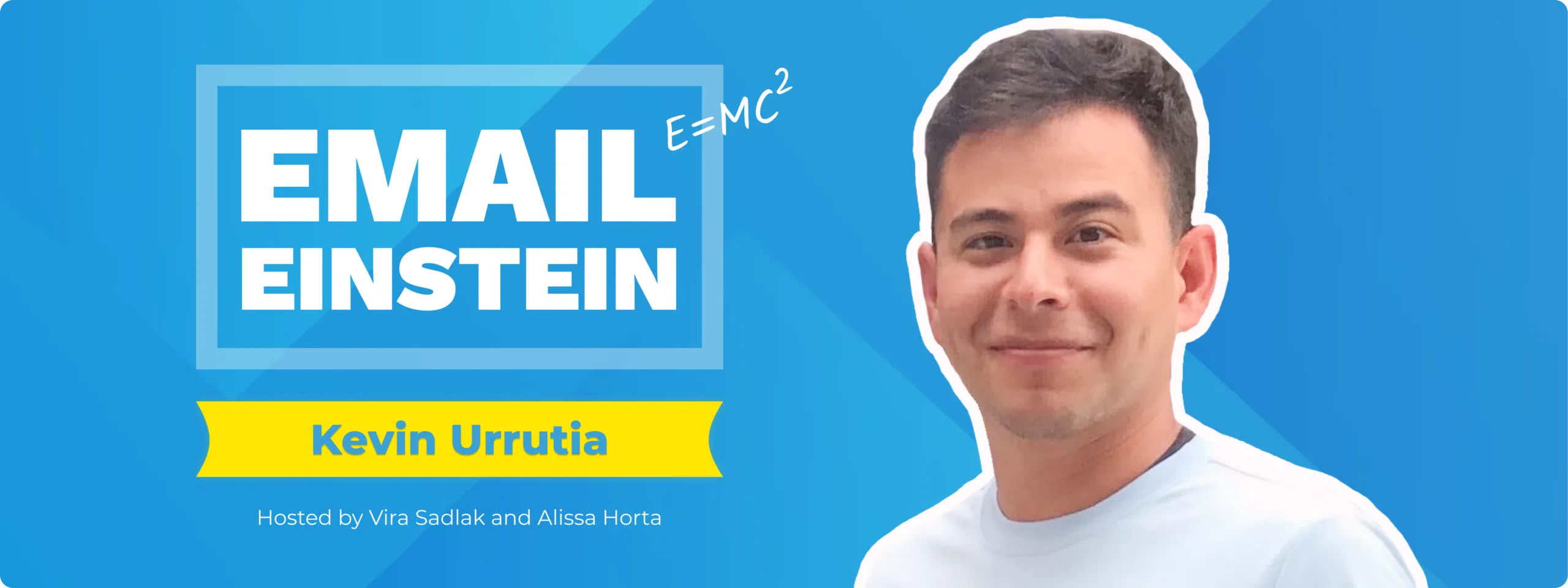
Kevin is the founder and the mastermind behind a suitcase brand called Chester Travels. He launched the brand back in 2017 and in 2019 the brand already did 1.5 million in revenue.
Alissa 0:36
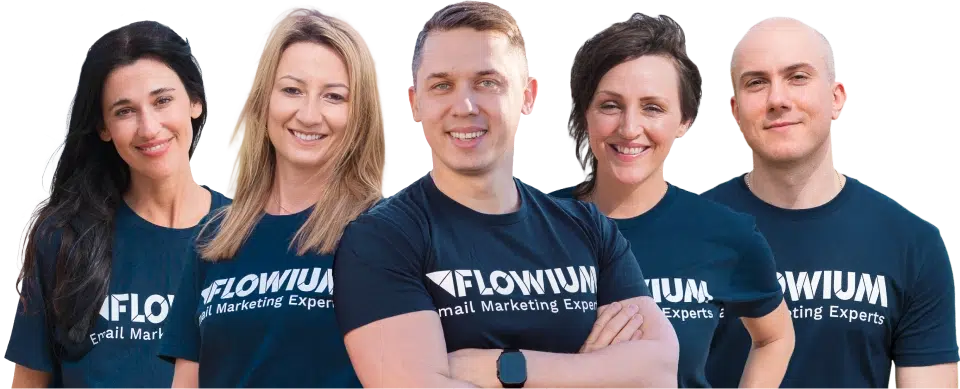
Hey everybody. Welcome back to another episode of email. Einstein Vira and Alissa here with a very special guest today, but before we do get started, we are two email marketers at an email marketing agency called Flowium. We are super passionate about email marketing, and because we love what we do, we want to share our insights with you. Flo em is one of the fastest growing email marketing agencies in the world. We specialize in providing a premium, full service e commerce, email marketing experience for all of our clients. Our service is tailored specifically for your business and is designed to help increase your online retail revenue by 20 to 50% we deliver the right message to the right person at the right moment, and that’s what we’re all about here at Flowium Vira, take us away. I’m excited for today.
Vira 1:24
Well, thank you, Alissa, and thanks for hanging out with us here today, Kevin. Today on the show, we’ll be talking to a very special guest, Kevin Urrutia from Chester Travels. Kevin is the founder and the mastermind behind a suitcase brand called Chester Travels. He launched the brand back in 2017 and in 2019 the brand already did 1.5 million in revenue.
Alissa 1:51
Oh my gosh.
Vira 1:52
I know Alissa, that’s not everything. Yeah. So Kevin is also the founder of Facebook ads agency called Void Media, and in their own words, and I just to be honest, copy pasted it from your LinkedIn page, Kevin, just because I loved how you how you worded it. So in their own words, they speak fluent internet that they can create images that stop from scrolling, words that get people thinking, and marketing strategies that ensure that your talents doesn’t get lost in the digital world. Kevin, I love, I love this quick introduction. Thank you for hanging out with us here today.
Kevin 2:32
Hey guys, thanks for having me. I’m super excited to sort of share my insights and building an E commerce brand, and sort of how we build the DTC brand, and also how we use email marketing as well, to sort of grow our grow our sales.
Vira 2:42
We are super excited to have you on the podcast today, and your story is amazing, and we can’t wait to hear it. But before we go there, if we want to do this quick blitz Q&A, just this short questions and answers, just to get to know you better.
Alissa 3:33
Okay, we’re gonna get started. So Kevin, just answer whichever one comes to the front of your mind first, like, immediately, okay, all right, here we go, New York or California?
Kevin 3:47
California.
Alissa 3:48
Carry on or checked luggage?
Kevin 3:51
Carry on.
Alissa 3:52
Okay, Machu Picchu or the Eiffel Tower?
Kevin 3:56
Oh, Eiffel Tower.
Alissa 3:57
Wow. Okay.
Vira 3:58
Okay, this one a bit technical one: Amazon FBM or Amazon FBA?
Kevin 4:06
I’ll do FBA, Amazon FBA.
Vira 4:09
Travel destination you’d like to visit again?
Kevin 4:13
Taiwan.
Vira 4:15
I haven’t been there yet, but hopefully, after this old madness ends, we’ll make it there. Amazon or WooCommerce?
Kevin 4:22
WooCommerce.
Vira 4:25
I thought it would be a tough choice for you guys, because you are using both, as far as we know. Well, that’s it. That’s a, I feel like that’s a good, good little warm up exercise, right? Let’s, let’s get into it. Kevin, for those who don’t know your brand, who don’t know Chester, how would you describe it? What is Chester and what makes it different?
Kevin 4:49
Yeah, so Chester is a luggage company, and like I said, we’re we’re our model was to sort of compete with Samsonite, and like others, like to me, where people are getting luxury luggages that look great, that just like few. Great, but those companies cost about 1000 or 2000 for premium luggage. And we also wanted to be a little bit more high end than some of the luggage you might see in like New York City, Chinatown, that cost like 30 or $40 but they break down in, like, in a year. So that’s really where we came in with the Chester sort of luggage, of a high quality premium luggage that also didn’t cost too much. So our luggage is range anywhere between $100 to about maybe $200 so a great price point for people that want a good piece of luggage, essentially,
Vira 5:31
Right. But luggage, it wasn’t where you actually started. So, Alissa, you had a question about something like about the very beginnings, right?
Alissa 5:41
Yeah. So I have to get my husband doesn’t own any luggage. So now I’m thinking, I’m like, Huh? This is like, Okay, you might have a new customer by the end of this podcast.
Vira 5:50
They have a very cute pink one, Alissa.
Alissa 5:53
Do they?
Vira 5:54
Yes, if your husband does not, like, don’t mind having, doesn’t mind having, like, a cute pink luggage. Oh, my goodness, I fell in love.
Alissa 6:02
And the thing is, is, like, with luggage, you always want something that sticks out so that if you do check it for whatever reason, it comes down the little baggage s, what is it that moving little escalator thing is, yeah, that’s right. And you don’t want to be sitting there and thinking like, is that my luggage? Is that my suitcase? Is that my suitcase? You know, like, that’s what the worst. But I’m gonna, yeah, you’ll probably have a customer after this anyway. So okay, so you didn’t start with Chester Travel, obviously. So how did you get into E commerce? Because you used to work as a developer for Mint, which is a huge organization, but primarily with developing. So what actually led you into your career as a developer and then pursue e commerce instead?
Kevin 6:45
Yeah. So, yeah. So I started my career as a programmer, and I was about 17 when I first started, like, learning about programming and sort of like, just tech in general. And at that age, that’s when I kind of really wanted to do a startup. I was, at that time, I was reading a lot about TechCrunch, tech meme, like Hacker News, everything related to, like, tech in general. I was really into that space. So then I was also big into games. So I was like, Okay, how do I? How do I, how do I like playing games? And really, what really excited me was that concept of a game, where someone was making a game, and then you had all these people around the world playing it, and that sort of like a theory or idea, was like, Whoa, how can I do that, too, with software? And that’s what led me to the programming path, because I saw that. That’s how I was possible. And this was maybe over 10 years ago. So then that’s when I did programming. In college, I went to Binghamton, and then in Binghamton, that’s upstate New York, I did a computer science program, and that’s when I was like, learning about computer science. But I realized that computer science in college is very different than programming that like you probably see now, which is like iPhone apps, web apps, like software, right? But so anyways, in college, I started to learn about Ruby on Rails. That was the first sort of web development framework that I learned, and at that time, iPhones were coming out, iOS apps were coming out. So in college, me, my friend Wilson, we started our web development company in college called one tiny bit. So in college, we were developing apps for people in our local area. And funny enough, we were just using Craigslist to get leads, emailing them, yeah. We’re just emailing them, hey. Like, yeah. So, like, it’s so funny because, like, I was talking to Wilson today, I was like, oh, it’s crazy. We’ve been dealing with this, like, clients thing for a long time, but we were doing it more like 20 and I just wrote a script that would basically scrape Craigslist and then email them saying, Hey, my name is Kevin Urrutia. I’m a college student in Binghamton. We’d love to sort of talk to you about your project. I mean, at this time, I didn’t realize that that was, like, just cold emailing, but like, I just like, and also I just like it. Also, I didn’t realize that it’s probably not the best way to just use your personal email to do these type of emails you want to get banned right by the time. Like, I didn’t realize the thing. So anyways, that’s sort of where I learned a lot about just like, client management, work with clients. So I did that for about a year in college, and then obviously it was like, still a 21 I was like, oh, I want to go. I still want to follow that dream of moving to California, because I was living in New York, and I’d never been to California, but my dream was always like, I got to get a tech center somewhere. So that’s when I got a job at mint. And really that came out of me working on projects and hackathons all throughout the nights and weekends. And obviously I was living in New York at the time, very different than what it is now. But at that time, it was very like, weird to be like, Hey, I’m working on programming. And I ever like, Oh, why are you doing that? Like, why don’t you just go out? I’m like, no, because this is fun for me, right? It sounds like so, and that’s the crazy part. It’s like, it’s in California. And then everybody was just like, me. I was like, whoa. Like, this is the best move I made. Like, I was hacking all night. We’re working competitions. We’re doing like Startup Weekends, any sort of hackathon, like all my co workers at nights and weekends. We’re all programming and stuff not related to the job, but also not related to the job. And that sort of constant, like learning of things, was what really excited me, and that’s kind of why I like programming, is because you’re constantly learning a new language, like a two. Comes out this year next year. It’s different, and you gotta, and for some people, they might not like it, but like, for programming, that’s kind of like what you’re used to, like, okay, I guess gotta adapt and but like, you know, like JavaScript comes out and you got, like, a different framework, a different thing came out, and that’s sort of where that came from. But anyways, I was working, I was working at mint, and then I went to another company called Daria. But anyways, I was in California for about four or five years, and then I came back to New York. To New York, and that’s when I came back to New York. By this time, I was still building stuff. Like, people would ask me, like, Oh, were you building startups? I was like, I was still building things, but nothing like, successful, right? I was just like, making projects, iPhone apps and that kind of like, build your mindset was always there. I was like, kind of doing stuff. So I kind of always realized that, like, I was building all this stuff. But then I didn’t realize, like, I actually need to learn marketing, which is, like, nothing I ever knew about until, like, much later on in my career. And that came out of just like, I mean, back then, like, the tech space was little different. It’s sort of how I was, like, like, viewing things in that time, people were just like, oh, look like, if you have a great product, you don’t need to market it, right? I mean, you probably heard that like, Hey, if you probably heard it like, Hey, if you have great product, no one needs to market it. And so I really believe that. But then I realized that’s just like a narrative the companies are saying that way makes people seem like, oh, yeah, it is a great product. They don’t need marketing. So it’s like, you kind of believe that yourself.
Vira 6:45
It is a marketing to be constantly saying.
Kevin 6:45
Exactly, yeah.
Vira 11:17
You need to marketing.
Alissa 11:18
Hahaha. Yeah.
Kevin 11:19
Exactly. And that’s what I realized. So for example, is like, Slack, Slack people like, Oh, my God, Slack grew organically. But then if you look at like, the talks of, like the Slack VP of Marketing, they’re like, yeah, like, we have like, 100 people working for us, just in marketing, and like, you’re just like, Oh, wow. What do they do? It’s like, well, they’re marketing, right? They’re making stuff, right. So, so that’s sort of like mindset, really, eventually I was like, Oh, I gotta learn marketing. And anyways, I left California, and then I went to New York, back home, really, people would ask me, why did I move back? I was living in California for about four years, and I was born in New York, and I was like, I gotta live in New York City. I was like, like, this is like, I grew up here. Like, you got to live in the city, right? So, and then that’s when I came back, because I didn’t want to, like, miss that opportunity or that chance, and someone to come back home. So I came back. I started, actually started a cleaning company that’s called Made Sailors.
Vira 12:05
It’s so random Kevin.
Kevin 12:06
Yeah, yeah.
Vira 12:07
Why a cleaning company?
Kevin 12:09
So for when I was working at that company called Darley, we were basically, you guys, know, like Angie’s List, essentially, like Angie’s like a whole service provider. We’re like a competitor to them. So when I was working on that company, I was part of, like, the checkout process, the checkout flows, so I was looking at, like, the companies are making the most money. And it wasn’t, at the time, it wasn’t companies, just individuals, just like freelancers, right? Kind of like, hey, look, I’m a cleaner, and I could do your home. And I realized these people on the platform, was the ones that were always, constantly getting jobs booked and but the issues that were I was seeing was that it was inconsistent, like they wouldn’t show up, they wouldn’t just like, oh yeah, sorry I forgot, or they would be too booked. So I was like, Oh, what if I just make a company of all these set cleaners, kind of like an Uber right of like drivers, essentially. That’s really where that idea came from, of me seeing that insight and then saying, Oh, how can I replicate that in New York City? Because cleaning isn’t like a new industry, but I know there’s traffic, and that’s really when marketing was like, that’s when I started learn more marketing. I was like, oh, you should probably look for an industry that has people looking for a product or service, because then you actually will find customers versus trying to find a new market. So that’s kind of why I did the cleaning company that started made sellers. So I was doing that for about two years. That company right now, we’re about over 100 teammates. We’re in New York City, Chicago. We’ve acquired, like, four other cleaning companies as well.
Vira 13:26
Wow!
Kevin 13:26
So money, yeah. So we’re still running that company. And then after two years, just, like, just like, anything, I kind of, like, I got tired of it. I was like, Oh, I’m kind of bored. I want to do something else. And then that’s when I started doing e commerce. And the reason why that happened was because service based businesses, like, any sort of industry, like stuff we do to, like agency stuff, it’s like, you can grow, but you need to hire more people. Like you can only grow onto any so it’s, it’s not hard to grow, but like, there’s a raw human capital cost to it, right? That’s just a bad way to say that. Sorry.
Alissa 13:55
But it makes sense. It makes sense.
Kevin 13:58
Yeah. Whereas the E commerce, I was like, Oh, wow. Like, I can grow this business, but you know, you’re only selling units or widgets, and that’s easier to scale. So that’s where that came from, and that’s when I started an outdoor gear company, and that’s called Montem. So that was the first e commerce company I started. And the reason why I started that was because my friend Wilson, the one I told you, from college, he was doing an outdoor gear company, and he was selling products online, and he was kind of traveling the world. And I was asking, like, hey, like, are you much money are you making? He’s like, my best friend. And I was like, Oh, my God, you’re making also as much money as me. It’s only yourself. I was like, What the hell you doing? What are you doing? And then pretty much, that’s how that happened. And then he told me, like, Hey, listen to this podcast. Go read this thing. And then that’s when I started immersing myself into E commerce, right? And he really helped me get started on that path. And then I went to China to look at factories. So I’ve been to China now about three times to talk to factories, develop our products, make our custom stuff, and then, yeah, that’s sort of how I did e commerce for there. And then I was doing that for about a year and a half. So for. Montem, great company. We are a number one tracking poll on wire cutter New York Times. We have a great product. We have tons of reviews. And then that let me to start Chester. And then Chester came out of basically seeing everything I did wrong in Montem, as in, like, how many copycats came out, how many clones came out, how it was like, a really easy product to ship. So that means competition was pretty heavy. So then Chester came out of me saying, oh, like, how can I I still want to do e commerce, it was still fun, but how can I make a product that has less competition, but the same time isn’t as popular in Amazon as like, outdoor gear, outdoor gear. Outdoor Gear so popular in Amazon. And if you look at it now, it’s just like a price war, like, it’s just like a price race to the bottom. So then Chester was that sort of place of, we’re not seeing a lot of these luxury e commerce companies on Amazon, because I think you guys know, like, maybe three, four years ago, Amazon wasn’t really seen as, like, a luxury place for brands. So we were like, oh, like, yeah. And like, it’s like, weird. And Amazon is great, because they pretty much said, like, I don’t care anybody else thinks like you’re going to be on Amazon. And they’ve, like, pretty much forced almost any company to be on Amazon.
Alissa 16:07
Yeah, no, for sure.
Vira 16:09
Yeah. But there is still, like, the stigma, if you’re the high end brand, you are not on Amazon. Like, Gucci would never sell. They are, like, bags, right? They maybe would start selling the $400 wallets soon. Yes, that that, I can see that happening, definitely, but not the thing. So, yeah, so why Amazon? Tell us a bit more about that. Why you decided that Amazon is a good place for your high end brand?
Kevin 16:37
Well, we saw Amazon because we were just, we were looking at the outdoor gear company. We’re just like, whoa. There’s just so much traffic. Much traffic on Amazon. Like, you can put a product on there and just realize that Amazon just has so many people looking for things. And that’s why Amazon is a great platform, because you literally have buyers. I just want to buy your product, and if it’s not there. I was like, yeah. Like, I want to be there. People are looking for Samsonite, people are looking for Tuumi, people are looking for these high end companies, but they’re not there, so I want to be in, at least show up in that search result on Amazon, and then that’s proven to us to work really well.
Vira 17:07
That’s That’s awesome. I actually me and my husband, we do have the Amazon FBA business as well, and it’s in travel niche as well. So we are selling, it’s not an ad or anything, guys, but if you want go and check our brand, it’s called Travelization. And actually, yeah, when we started looking into E commerce, we, like, a few years ago, we were both working on our like, nine to five, and we were like, hey, what can we do? Something online, just like two people. We didn’t have much money to hire the entire, like, team of people and stuff like that. What can we do so we can get out of this, like nine to five, you know, this like typical scenario, and we loved traveling, and we thought, hey, why not start the Amazon thing? We bought the online course, and right now, like this, business is quite successful. It’s been like when we started two, three years ago, and now we are actually thinking about selling it and starting something new and exciting as well. So I do have, like, a gazillion questions about the Amazon game, but I mean, we’ll, we’ll probably talk more about the lead generation and stuff like that. And yeah, you’re right, love it or hate it, Amazon is one of the very like small handful of companies that you simply like, can’t avoid. It’s like, too big to ignore, and people are there, like people are there waiting to buy from you, right? So that was a very smart move for you guys. So what was the some of the first sort of like decisions, or what was the first thing that you put your money into as a company when you first started Chester Travel? And why?
Kevin 18:47
The first thing we did was we knew that for this company, want to have great photography. So the first thing was always great, we hired a great photographer to make good photos, and that was, like the most important stuff for us, because we knew for Amazon, like you probably know too, like that first or second image is essentially an ad, so you want to make it really good and add graphics or edit to it. So that’s sort of what we wanted to do. So we did first was that, and then, of course, second thing was just get a good website. So for the website, we just had, like, chestertravels.com It was really just a WordPress theme that we found online, that we thought was really well and then we launched it. But after that, we didn’t spend too much time thinking about the theme or sort of how it looked like, besides making sure it looked like pretty simple to use and have, like a checkout function. The other big part that we did to sort of launch this brand is because we knew was kind of expensive for people, was that we spent a lot of time and just not it wasn’t even money. It was just spending a lot of time outreaching to people. We went out to bloggers that were in travel space. We knew it was a big sort of niche of bloggers and travelers, so we emailed them to say, hey, look, we have this new luggage company. Can you review it? And that was a super important strategy for us to sort of get people to buy the product. Because you probably know, when someone looks for a product online, the next thing they search for is product name reviews. So you want to appear on that sort of top 10 results on Google that we will say, hey, look like, I want to buy that product. Yeah.
Alissa 20:07
Yeah.
Vira 20:08
Right.
Alissa 20:08
For sure.
Vira 20:09
So are you still selling both on Amazon and on your own platform, like WooCommerce? You mentioned, right? You’re using.
Kevin 20:17
Yeah, we’ve seen WooCommerce, yeah. I mean travel right now for luggage is like the worst time, it’s like, no, it’s fine. It’s like, sales drop to like, one a week, maybe, if you’re lucky.
Vira 20:27
Right. Tell me about it. Yeah. Same industry, basically, yeah. But I know that a lot of companies are actually prefer not to be on Amazon because they want to basically own that leads, right? They want to talk directly to that customers. They want to email them. They want to be able to, I don’t know, like, send in text message or something like that. How did you sort of communicate with your Amazon customers? Did you set up any like, communication with your Amazon customers, and in what ways?
Kevin 21:05
Yeah, so for, I mean, like, this is stuff we used to do before. I’m not sure if it works well, like we used to use feedback genius a lot. I’m not sure if you use that with Feedback Genius, it’s kind of like a platform where you can connect to your Amazon account, right? And then once it, once you get a sale, you’re allowed to do like, email sequences. I think Amazon now is like, super strict about us this. But before, what we would do was we would have like, a warranty document in your email and it says, Hey, in order to apply for your warranty, go to Chester Travels, calm, forward, slash warranty, and enter your information. And then then someone came from that link we knew as an Amazon customer, because that also enter their order ID and email address, and then that allowed us to put into like, the email list, right?
Vira 21:47
Yeah.
Alissa 21:47
You’re not sure if that works anymore, Kevin?
Kevin 21:49
I don’t think it works anymore. Yeah, I pretty sure, like, yeah.
Alissa 21:53
The best, but also the worst, because we’ve had, like, that’s come up for a lot of our clients. Were like, we sell on Amazon, but we want them to go through these automations, and I’m like, Yeah, talk to talk to Amazon, because they’re not giving out any info at all.
Kevin 22:07
No, it was, it was, it was a lot easier back then. Yeah, there was a lot of programs back then, I forgot what’s called, like, Hello Profit or something, where basically, they somehow were able to actually get like, the customer’s email address through their software. And a lot of people are just like, doing that, and that’s what we did, too.
Alissa 22:24
Wow.
Vira 22:24
Well, not anymore.
Kevin 22:27
Yeah, not anymore. Like, good old days, yeah? So, like, the warranty was a great one, where it’s like, hey, look what a warranty like, the thing about it too that you kind of goes back to what you’re saying before. It’s like, Amazon customers, you can make a link called, like, let’s say AZ, hyphen, warranty, right? And then if they went to that link, you knew there was an Amazon customer, because you would only send it through that Amazon email. And then that also allowed you to do retargeting ads on Facebook. So if you knew they landed on that page, you could say, hey, look, we know that you’re an Amazon customer. You want to review the product, right? So then that’s another way that you can get more Amazon reviews.
Vira 22:59
So that’s one of many, probably ways how you build your email list, right?
Kevin 23:04
Yep, build your email list. A big one, probably right now you probably seen it too, is like, people do it do, like, messenger bots, where it’s like, hey, look, we have this product for sale on Amazon. Just enter your email and i’ll give you, like, a coupon for five hours off. And then you get the email, and then you sort of tell them to buy the product for like, the next 24 hours, like that urgency really works still. And then you email them say, hey, look, we know that you purchased a product. Would you like leave a review? And that’s how you build an email list of Amazon customers as well.
Alissa 23:32
Where does that bot come up?
Kevin 23:34
So, like, it’s like a messenger bot. So it’s kind of like the Facebook Messenger you kind of like you’re talking to your friend. It’s like automation.
Alissa 23:34
Got you, got you, got you.
Kevin 23:34
Yeah. So you can build, like, a small automation. It’s like, hey, enter your email. It’s like, oh, great, Kevin, here’s, here’s your coupon code. And it’s like, one of the Amazon coupon codes, and it’s like, well, use it. Use it now the next five minutes, or else it’s gonna expire, right?
Alissa 23:50
Oh wow, yeah. Serious urgency. Okay, so, I mean, that kind of leads us into, like, a big portion of what we wanted to talk about today, which is a really hot topic for a lot of brands. So obviously, you used Amazon to a degree to to kind of build, start building your audience. But what other strategies did you use? How did you approach kind of building your audience from scratch? Because we know that you grew your organic traffic from zero to 60k in a month, which is like nuts, oh my gosh. I’m sure that’s every e commerce owner’s dream. So walk us through that a little bit, because I’m sure that’ll provide some really solid insight for our for people who are listening.
Kevin 24:27
Yeah, so for SEO, i Seo. I started doing SEO. Remember that first cleaning company I told you so that I learned really SEO, and really, that’s when I learned how to do SEO, what worked, and that’s kind of how we grew that cleaning company initially. And then same thing with like Montenegro gear company, I think right tracking polls or hiking poles like top five, that sort of helped us grow with SEO. But then for Chester, well, obviously ranking for like luggage or travel luggage is so hard, and I’m just like, oh my god, so I have to, like, change my tactic up there. There. So basically what I did there was more more think about these sort of questions that people have around the travel space, right? Or the travel industry, or travel luggage space. And one thing that I saw when I was like researching, is people were asking, how big should my luggage size be for my delta or flight, my Delta Airlines? So we realized that, like, there’s hundreds of these, like airlines. So then we just really build a huge sort of search list of travel size for delta, travel size for American Airlines, travel size for Southwest Airline. Basically all these queries that people have questions for, we now are ranking like top five for them, because people want to know what size it is. So basically, obviously this isn’t like an intent driven keyword, because it’s kind of like informational but we then have a pop up on there and, like, a little email collection widget on there to say, hey, look, we know that you’re looking for luggages, or interested in luggages, sign up for an email list, get like, 10% off or 20% off, and that’s how we are doing a lot of SEO. It’s really, we call it like pain point SEO, right? What’s that pain point that someone’s looking for? And how can you make an article or content about it. And then for that, we just hired like travel bloggers to sort of write about this, and we just give them, like a template. But that’s really a lot of like, kind of like, when you think about SEO, it’s like, think about what is your space and sort of, how does like, how can you help them? And another thing, but another thing about like, traffic traveling, is there’s so much content around traveling. Like, what are fears about flying? How do you get over flying? How do you get high overcoming flight fears? Right? There’s so much stuff that you can talk about that may not be related to the luggage, but flying in general. And then you sort of, do you set up, either use email marketing or Facebook retargeting, or any sort of retargeting to sort of, like, bring them back into your ecosystem.
Alissa 26:45
That’s really smart. How do you get over the fear of flying? Get really nice luggage. That’s the way to.
Kevin 26:45
Yeah, it’s like so and also the thing, also thing too, it’s like with this sort of stuff too, like, if, as a business owner, you’re kind of trying to make money, right? So a lot of these terms, like, for example, fear flying. There’s a lot of courses out there that teach you how to get over that. So you can then go say, hey, look, hey, look. So, so I actually ranked top three for this keyword. If you want, I can put your course here as a suggestion, and you pay me some money like affiliate marketing, right, right? So there’s so many ways to sort of utilize SEO and partnerships, because then, if they’re taking his course, you can say, hey, look, maybe you want to mention my luggage in your course, right?
Alissa 27:15
And anyone who takes your course will get 15% off or whatever.
Kevin 27:15
Exactly.
Alissa 27:15
Yeah.
Kevin 27:15
Exactly, yeah.
Alissa 27:16
That’s really smart, really really smart.
Vira 27:22
So do you have, do you use affiliate programs for anything else? I know that you have, like, a different travel product reviews, like 20 best luggages of 2020, and stuff like that on your blog. Are you using the affiliates for that kind of content as well?
Kevin 27:38
Yeah. So we usually, like, Amazon has their own affiliate program. It’s probably like the most probably, like, the most successful affiliate program in the world.
Vira 27:44
And the easiest one to use, probably, like, my grandma can become an Amazon affiliate. Like, seriously, just, it’s super easy.
Kevin 27:53
It’s super easy. And definitely, like, anybody become an affiliate. So, yeah, it’s like, that’s why it’s that I like Amazon. That’s why I kind of go backwards before it’s why Amazon has grown so quickly. It’s because, like, every third party site is referring traffic to them.
Vira 28:07
That’s awesome. So what are the SEO strategies that you can suggest to someone who’s like, literally starting from scratch? What are the first things that they need to do?
Kevin 28:20
I think, for when I was learning SEO is good, great, great question. Because I think, I think for any business, having a great sort of SEO strategy or mindset is good to think about. I still love using my favorite tool for SEO is Ahrefs. Have you guys heard of it? Ahrefs?
Vira 28:36
Yes.
Kevin 28:37
It’s super expensive, but it’s like probably the best tool I’ve ever used. Yeah, it’s worth it. It literally could tell you anything about a website, and really, you use something like this to figure out what keywords or things you should rank for, but honestly, before you even start is just look at competitors and put it in your domain name and see what they’re ranking for, and then if they’re ranking for content that you want to rank for, just look at the format they’re using. I always tell people, like, with SEO, a lot of it has to do with the format of the content, or sort of like the style of the content, right? So look at the top three competitors, or even, like the top three search results for a keyword that you want to rank for, and see what they’re doing that you now need to copy. Because SEO is really just Google saying, hey, this thing that the person number one is doing is working. Go do it. Like, like, people trying to reinvent the wheel. It’s like, hey, it’s working. Well, just go do it. Like, having nice tables, having a table of content, all that stuff is working really well now, because Google is showing that stuff now. So I always tell people, like, do that. Other than that for SEO, I think people should really understand just like the keyword planner, and then Google has one, right? Your planner is a tool that just literally tells you, like, hey, people are searching for this keyword or not, right? If you think your word, I think this is so important, because sometimes, as a founder, as an owner, you call your product something, but normal people don’t call it that way. So it’s like, and it’s like, people like, but I want to call it that. I’m like, but no one, no one looks it for that way. So like, why are you gonna call it that way? It. It’s like, it’s interesting, because you probably like, we obviously agency stuff. Like, we deal with all the time. I’m like, like, I don’t argue with people. Literally, no one’s searching for it this way, like.
Vira 30:10
You don’t have enough budgets to argue with people that’s an artist with, like, a lot of new businesses as well, if you don’t have enough like, budget to educate your customer about like your your brand, or about your product, just to do something simple, or name it the way they name it. People call the sunscreen sunscreen, even though it might be technically the sunblock, because it’s a different kind of the product. But if they are calling it sunscreen, if they are looking for a sunscreen don’t, like, try to be like, don’t try to outsmart them, yeah. Just like, go, go where the traffic is.
Alissa 30:48
Yeah, yeah, yeah, for sure.
Vira 30:49
Yeah, like.
Kevin 30:51
Yep, yeah. So that’s like a number one. Like, tip is, just like, don’t be clever. Just like, look at what Google is saying, because they probably have more data than you probably can think of.
Alissa 31:02
That’s fine.
Vira 31:02
But it’s so but it’s so hard to be like, not emotional about your product, because eventually it’s like, your baby, you know, and you’re so, like, biased. You love this product, you love it. And, yeah.
Kevin 31:15
Yeah and I think, I think what you said is a great question, great point where people would definitely like, Kevin, you’re like, feel that way. But for me, I’ve done like, the same before. I’ve done so many products that that sort of feeling like goes away. It’s just like, Oh, it’s just another company I’m working on and what I’m learning on. But yeah, I think people in the beginning do really get attached to their companies and have that feeling. But for me, and like, I’m just like, Oh, it’s another company. I’ve done like 30 that, like four have worked, and maybe 29 have failed or whatever. So let me just like, go on to the next one.
Alissa 31:44
Right, right, right.
Vira 31:46
Oh, come on, so you don’t have the favorite Chester luggage, your favorite color or favorite kind?
Kevin 31:52
Very one is definitely the pink one that’s like.
Vira 31:55
The pink one?
Kevin 31:55
Yeah, yeah, cuz that was the one that makes us the most funny. So I love it.
Vira 32:00
Really, yeah.
Kevin 32:01
Everybody that was always like, people always want that one, yeah.
Vira 32:05
The blue is cute as well, but the pink one is my favorite.
Alissa 32:05
I like the blue one.
Kevin 32:08
Yeah, and like that little surf. Blue one is really nice too.
Alissa 32:14
Yep, yeah.
Vira 32:15
You’ve mentioned it briefly already, that coronavirus is obviously affecting you? Well, it affects everyone, but you as a travel brand, how are you navigating the coronavirus landscape? Have you, like, adjusted your marketing strategy, your business tactics, or your messaging? What have you done?
Kevin 32:36
Really for us? What we’ve been focused Amazon sales been really bad, so, like, really low, and then website sales as well. But really, what we’re focusing on is still the SEO, because we know that SEO is still going to be strong when it comes back. So for and we also know that SEO takes time, so we’re like, okay, it’s fine that we’re not getting to any sales, but still focus on putting good content and also acquiring great links so that when the time gets right, we’re still ranking highly. Because, like, if anything with SEO, you probably know it’s like, you can’t just, like, not do anything. Eventually your competitors will come up and start ranking higher than you. So for us, it’s fine. We’re just sort of really putting our energy into SEO, because we’re still seeing it work really well. But the sales aren’t there yet, but we know that we’re building up this whole content library that eventually we can we’re going to be using for the marketing.
Alissa 33:23
Well, and hopefully you guys will smash it next year, when all of us hopefully is hopefully traveling again. And then everyone’s like, I feel fresh, I feel fun, I feel flirty. I need a new suitcase. And then they hop on to Chester Travels.
Vira 33:35
And get the pink one.
Alissa 33:38
Yeah, buy the pink. Buy the pink. That’s funny. Okay, so Kevin with with SEO, AD, social media, obviously, all these different marketing kind of avenues. Where does email fit in for you guys?
Kevin 33:54
So email for us is we’re doing a lot of email collection, like we love the exit intent pop up, and we have that almost everywhere for any blog post. Really great sort of strategy there for collecting people based on a good offer. I tell people, like, no one’s gonna be your email unless, like, you have a good offer. So it’s either 10% off or 20% off, right? So that’s with an E commerce brand. And people always you probably, you guys probably hear all the time you’re an email agency. Like, Oh, does this work? Like, yeah, it works really well. Like, people love getting discounts, so yeah, it’s like, it’s like, one of the easiest ways to do it, but.
Vira 34:26
Yeah, it’s so easy to. And a lot of brands just don’t realize how much opportunity they are missing by not having that exit intent pop ups on their pages.
Alissa 34:36
Well, starting to become expected from for customers as well. Like, when they go onto a website, they’re expecting to see some kind of offer. So if you’re not on board with that, then you’re definitely missing out for sure.
Kevin 34:47
Yeah, and I think, I think it’s exactly thing too. It’s like, people now expect to have a discount, and a lot of brands are like, you probably know, like, Oh, we don’t do discounts well, like, yeah, it’s like, a interesting it’s an interesting conversation with brand.
Alissa 35:01
Yeah, we have those conversations all the time.
Vira 35:05
Yeah, and you can see how, like both strategies can can work, because we have, like, a lot of successful clients who are doing some, like, different sort of incentives, like access to products that are only available to like certain kind of like VIP customers and stuff like that. So I can see how both strategies work. But definitely, Kevin, you’re right. The easiest, probably thing that you can do to start, like, building your list, is to have that exit intent pop up with some sweet little offer.
Kevin 35:33
Yeah, exactly, yeah. I think exactly goes back to where you said before. It’s this, kind of, like the easiest, and that’s like, kind of what you said before. It’s like, anybody can do it, but a better offer would be like, what you said. It’s like either a bundle, a VIP product eBook, a course saying, Hey, give us. And those are always better. But of course, those take more work and time, and you really need to think about, how does, how does it really affect sort of your product line, right? So, yeah, definitely there.
Vira 35:56
What do you see the I mean, do you see? Or do you use email at all? So that way you’re starting to get more, like, two time buyers, three time buyers, like repurchasers, or, I guess that’s kind of a two part question, like, what’s the lifetime value customer? But then also, like, do you use email to kind of capitalize on that, or make that a possibility for your brand?
Kevin 36:16
Yeah. So for us, like, we use email a lot. So if you look at Chester now, it’s we had the carry on, which is the minimum, which was the one you see, but that was the only product we sold for about a year and a half. Oh, wow. So, yeah. So right now you probably see all the other products and the sizes, but those just launched, and obviously it’s the worst time to launch, because we, like, wanted to, like, we want people to travel, like, hey, look, upgrade your your suitcase, because people are buying the carry ons, but they would say, hey, I want to set right? So then we couldn’t, we couldn’t make the set. And because we just never have money, right, we’re just a bootstrap company, like, we just couldn’t afford the inventory to make a new mold, to make a new size, because everything on the Chester is custom. And then you guys probably know too, is, like, with this luggage, we have a tons of colors, so each color needs, like, a minimum order quantity. So we just couldn’t justify the cost the beginning until we knew there was traction. And then once we had traction, that’s when we started doing the other sizes. And then that’s when we use email marketing to get people to come back and buy the sets. So that was so important for us, because absolutely you might know, it’s like we were teasing people with emails saying, Hey, we have new sizes coming up, letting let us know what colors you like. And of course, using the data from like the carry on, we knew what sizes to make in the beginning, and then that helped us get more sales. And email is so important for that, because we just built a sequence and then gave kind of like VIP customers a discount to buy first, and then we launched it on the website. Yep.
Alissa 37:39
Okay, very cool.
Vira 37:40
What sort of sequences are you using right now? What, what flows do you have in place that’s just like email marketing nerd in me is one?
Kevin 37:50
So we have, like, the main one, which is, like the exit so basically one of the one flow that we have that works really well, and this is for post purchase. So we do this for montem as well. Is after someone buys, we send an email that’s like, templated like, let’s say first name comma, thank you for purchasing. Let’s say it’s like, Kevin, thank you for purchasing. And then in that email, we just have a plain text based email says, Hey Kevin, thank you so much for purchasing your mountain poll, we’d love to know why you purchased it for and then that helps us get really good feedback on why they purchased the product. And also we can use that to sort of help optimize their ad copy and feedback. So and just like, why are people buying the products? So we just did that. We’re doing that, and that’s worked so well, because also we like doing that too, because it’s a question, and you guys probably know when someone replies back, that helps with email deliverability of all our other emails.
Vira 38:38
Yeah, so smart. So you’re just lie back thing. So they have to, like, reply to that email?
Kevin 38:44
We just say, hey, yeah. We just say, hey, thanks. Hey. We know you purchased the Montreal would love to know why you purchased it for people say, Hey, I put I bought it for my son because he’s going to hiking trail. Hey, I bought it for my grandma, right? All this, like, people just give you like, crazy responses.
Alissa 38:58
It’s great.
Vira 38:58
Seems like that you don’t even expect, right? Happened to us?
Alissa 39:01
No, you get, I mean, you give people an outlet, like, hey, we want to hear from you. And they’re like, Well, let me tell you my life story, and they send you, like, a 10 page email, and you’re like, okay, awesome, great. I’m about it, you know? But it’s like.
Vira 39:13
They love those they love those.
Alissa 39:15
People love to reply to stuff, which is great. I mean, you’re giving them an outlet to talk about themselves, which.
Vira 39:21
Especially older people. Have you noticed Alissa?
Alissa 39:22
Yeah.
Kevin 39:28
Oh, yeah.
Vira 39:22
Like, I love working with, like, Boomer clients. Give me those. They are so responsive.
Alissa 39:29
So responsive.
Vira 39:31
I love it. I love it. And yeah, and they literally tell you their life story. And you can reuse it. You can repost it on all of your social media, and you can do the nice campaigns out of it. Love it. I live for this kind of stuff.
Kevin 39:48
Yeah, yeah. That sequence is so good too, because I tell people too, like it helps your customers reassure you that they made the right decision. And for us, we say, Hey, thanks for buying your mountain poll, by the way. Like, this is my name. I’m the founder. We’re a small New York City company, right? So you assure them, oh, wow, I’m helping a small business out. So that’s always a great way to sort of keep your customers, like, sort of a like, not return them, you know, say, Oh, this is small company, you know, I’ll keep it.
Alissa 40:13
Right, right, right.
Vira 40:14
Yeah. And besides, like, so much of marketing and email marketing included is about, like, testing what works and what doesn’t. And like constantly, like collecting that information. Did you have, like, any unexpected surprises that you experienced along the way? Like you thought that this would work this way and turned out that this is more effective strategy, or something like that. Give us some fun examples if you have them.
Kevin 40:26
Yeah. So for Montem, really, this is where a good example is our we sell trekking poles, hiking gear for for us, we thought it’d be for like the younger generation, you know, maybe 20 to 35 right? So our marketing advertising was based towards this, like younger generation, but based on the emails we’re saying before we realized a lot of people are buying it for their grandmas or for themselves to sort of walk better on sidewalks because they had bad knee pain or joint pain, so they’re using the tracking polls as a keen alternative. And then that’s like, a thing that we sort of saw for a while, kind of you kind of like, see these emails, you’re like, Oh, it’s a really, like, in the beginning, like, oh, that’s an interesting use case, right? And then you’re just like, you’re constantly getting them. And then we’re just like, we’re then we’re just like, Oh, wow. Like, we’re getting a lot of people buying it for, like, their parents. So then we were looking at our Facebook ads as well. And then we did see that at 45 plus, was the audience that was giving us the best results as well. So after this is like almost a year of us looking at this and obviously, like, funny, yeah, but this goes back to kind of what you were saying before, with like, it’s kind of like your baby for a year, we’re just like, No, this is not our audience. Like, No, we’re just not our audience, right? A different version of that, right?
Alissa 41:48
Yeah.
Kevin 41:49
It’s not our audience. Yeah, because you look at our website, it’s like, very, more, younger based. Anyways, after a year, so we completely switched the way we’re advertising to so what you see like, what you see right now is like the our old south but when we’re marketing and advertising, it’s only to the 50 plus, and then we have custom landing pages and custom emails and custom images for that 50 plus crowd. So we went out to get photoshoots and video shoots of the older people talking about knee pain and joint pain, and then that’s helped us grow. But that’s kind of like a where sometimes, like you kind of don’t want to, you’re sort of essentially in denial, and you’re like, Oh, well, the data is so UI, so you got to adapt, right.
Alissa 42:25
Right, right, right.
Vira 42:27
But how did you originally come up with that persona, like, 25 to 30 hikers and stuff like that? Like, what sort of resources did you use? Because, like, finding the persona that you’re selling for, it’s like the the hardest one, and like all of our clients are, like, still struggling. We are just, like, asking them, Hey, who are you selling for? They were like, well, we don’t know. You tell us. We’re like, no, that’s something that you should know usually, but that’s part of our job. We are trying, like, to collect more more information to yeah, like better flow. So how did you initially came up with that original persona?
Kevin 43:03
Kind of exactly you said. We’re like, Oh, this is who we think it is. Let’s just go with it. It’s kind of like any sort of business owner, like, There’s no rhyme or reason, and obviously, like, right now too, with our agency, it’s like, we got that question a lot, like, oh, I don’t really know who it is. I’m like, okay, that’s kind of interesting that you don’t know either. But yeah, that’s sort of like, but that’s sort of where I think it depends on like yourself as a founder or marketer. It’s like, you think it’s one person, and you have to realize that like that person might change based on the data and what you’re seeing. And that’s why, I think, with email so important to be asking these open ended questions, that way you can truly see who’s buying your product. Because when your product solves a problem, you need to figure out, what is that problem that your product is solving? Like for us, the tracking balls. We didn’t realize there’s gonna be a such a huge hit for like, a walking cane alternative, and that’s what we call it. So then we also made a book, an ebook that we sell now, about walking, walking exercises for people 50 plus. That was not something that like two years ago. I was like, yeah, we’re gonna be doing this again. Never crossed my mind.
Alissa 44:03
Wow.
Vira 44:04
That’s that’s really interesting. So like, what sort of advice would you give yourself if you were starting building those brands from the very beginning? Like, what would you do differently? I guess this time around.
Kevin 44:24
Oh, I guess for like, for somebody, like, for somebody like Montem or Chester, I guess, I mean Chester. I think what we did, I think what we did for Chester was really great, as in the way we built a product. I think what we could have done a little bit better was just make our website, nicer, faster. It took us, like the website you see right now was probably after a year and a half as well. We just had a really stock website theme, but after, like, a year and a half, when we had the new website, that it really kicked off the Chester. When I say kicked off Chester, I mean not sales wise, because sales aren’t still doing good, but it helped us, more of us, more. Were doing outreach to bloggers or doing outreach to influencers, they would then Google the website. Chester, like, oh, there’s a really pretty looking website. I think you guys must be a good brand, right? But that’s just like perception of people and that. I think perception is so important when building a brand and sort of reaching out to bloggers, influencers, them, you might need to write about your brand and review.
Alissa 45:20
Yeah, and I love, I love the website. I was just browsing through it, and I was browsing through it earlier in the week, and I was like, Oh, I like, how this looks. It’s just, like, clean and really, like, just seamless. Like, your luggage, you know, it makes sense. It matches the product.
Kevin 45:34
Yeah, if you like, if you do, like the Wayback Machine, and like, type in Chester travels, and like, look at it from a year ago, you’ll be like, Whoa, it’s so crazy.
Alissa 45:42
Wow. Gracie, that’s so funny. That is so funny. Well, Kevin, thank you so so so much for being on here with us today. We loved it. This has been super insightful and a lot of really interesting stuff. I feel like I’m gonna have to re listen to this podcast a few more times, take a bunch of notes and bring it back to my clients, and be like, Listen, you need to listen to this and understand.
Vira 46:05
Linda, listen, have you guys seen this video?
Alissa 46:07
Yeah, listen, Linda, listen.
Vira 46:10
That’s what I’m doing tomorrow. I really loved that. Like, tell us why you purchased the product thing. Honestly, yeah, we haven’t done it in this format, but I think it’s, I think it’s a genius Kevin so.
Kevin 46:23
Yeah, we also just did one recently, like, just now for like reviews. Obviously, you know, reviews are important. We just did one email saying, like, hey, we’ll give you a six hour gift card if you’d like answer this sort of question for us in an email. It’s like, sometimes we want to send like quizzes and like type forms and all this stuff. But I just tell people, like, I just make it easy. Just like, just say, I just, like, reply back to me, and then won’t parse the data sometimes, like, making people click and all this stuff is like, I don’t want to do it.
Alissa 46:49
And then it gets too fancy.
Vira 46:51
How do you how do you, like, collect that information and reply back to them? Is it all manual, or you have some sort of flow in place for that?
Kevin 46:59
Just manual, baby.
Vira 47:01
Manual?
Kevin 47:02
Yeah, it’s like, the one, but, yeah, it’s like, it sucks, but it’s like, it’s just so effective, yeah.
Alissa 47:07
Well, it’s worth it, and I’m sure it’s, it’s worth seeing as well, like, positive feedback like that, as the owner of the company, like, it must be very cool, and it reminds you of why you’re doing what you’re doing.
Kevin 47:17
Yeah, it’s like, sometimes it’s interesting to see, because you’re just like, Oh, yeah. Like, yeah, someone, like, a real person, purchased this, right? It’s like, sometimes I forget, right? And you see those emails come in obviously, like, let’s say you sell 100 pieces, you might get, like, two to three. And it’s like, oh, it kind of reminds you. It’s like, a little reminder, right? Oh yeah, there’s a real person. That’s a real person, yeah.
Alissa 47:36
That’s awesome. That’s awesome. Well, thank you again, Kevin. We appreciate it so much. Today was great, such a blast. And your story is so interesting, like so much insight, so much interesting stuff, it’s amazing. So thank you again. So so much. We really appreciate it.
Vira 47:51
That was a good one. If you want to hear more awesome podcasts like this one, more episodes like this one, don’t forget to subscribe and share this podcast with your friends, family and loved ones. If you have any questions at all, or if you’d like us to feature you on our podcast episode, send them in at flowium.com/ask, and if you want to get involved in a community of avid email marketers and E commerce entrepreneurs, join us at flowium.com/community.
Alissa 48:21
And guys, if you are interested in getting some more advice on how to establish a solid email marketing strategy for your e commerce store, make sure that you visit us at flowium.com/contact, and you can sign up for a free consultation where you’ll be speaking to someone like myself or Vira and we can kind of go over what you have in place and how to optimize it so that we can better kind of suit what you’re trying to achieve for your business.
Vira 48:46
Right? And don’t forget to join us next week. Tune in next week as we will be sharing some cool tips on how to optimize your discount strategy for the holiday season. And I feel like that’s a big one. We’ll be talking about the methods around creating urgency and email for customers to take the action, to act on your call to action, basically. So that’s a good one. Don’t miss it, and we will hear you next week.
Alissa 49:14
Well, yeah, you guys will hear us next week. Thank you again. So much, Kevin. We really appreciate it. And guys, thanks for listening. And until next episode, next week. Bye, everybody.
Vira 49:25
Bye.

Vira Sadlak
Podcast host, marketer, traveller and a life lover from Vancouver, Canada

Alissa Horta
Alissa is an email marketer that is passionate about relevance!