

Podcast Transcript
Vira: 0:41
Hello everyone. Welcome to Email Einstein, the podcast by Flowium.
Andriy: 0:46
Here’s Andriy Boychuk and
Vira: 0:48
Vira Sadlak.
Andriy: 0:49
And today we are recording first time in our lifetime in person from greatest city in the world, London, Great Britain. I’ve been here only for what?
Vira: 1:00
Few hours?
Andriy: 1:01
No, full— oh no, almost 24 hours, like probably 1 hour short. So 23 hours.
Vira: 1:06
Where is your British accent, Andriy? You should have picked up some by now.
Andriy: 1:11
from Ukraine. My cousin, he lives here and he asked me, like, I mean, do you understand accents? I like, I do. And he said, now, because he used to live in Ukraine, he now is like, tell me, like, now I understand that you have accent as well.
Vira: 1:26
Actually want to test you on accents because there are so many accents in Great Britain. I bet you won’t understand Scottish accent because sometimes people from London don’t understand it. It’s like so different.
Andriy: 1:37
I like to say that I’m good with accents, but I’m not good with accents. I’m good with clues, you know? Like I’m reading facial— like if you tell me one word, I will probably not guess. But if you tell me the combination of— I mean, the sentence or the conversation, I’m pretty good with catching because we’ve been in Lisbon for a week. We have our annual executive meeting and Bobby, he’s from Macedonia and Martin’s from Bulgaria. So Martin talks Bulgarian, Bobby talks Macedonian, and they understand each other.
Vira: 2:11
Right.
Andriy: 2:11
And I did understood what they were talking about, like word by word, no, but general idea.
Vira: 2:16
Yeah. Oh, that’s cool. Because, I mean, they speak Slavic languages and—
Andriy: 2:19
Yeah. I mean, we do speak Slavic as well.
Vira: 2:21
Yeah, yeah, yeah. That’s why you were able to understand them. Cool, Andriy. So almost 24 hours in London. What have you noticed so far that is different here compared to New York, the greatest city in the world?
Andriy: 2:36
After New York. I mean, the first thing when I’m walking on the streets, pedestrian. I’m not talking— there’s like what, how do you call it, left side?
Vira: 2:45
Right. I think it’s the right side, no? I mean, the wheels are on the right, so it’s like a left side.
Andriy: 2:51
Yeah, street. Anyway, but even when you’re walking, typically I walk on the right side and here it’s not common. Like, this morning after probably 15 minutes, I’m realizing that I’m walking on the wrong street. That’s why I’m bumping into pedestrians. So this one, it’s probably the biggest one so far.
Vira: 3:11
That’s why they thoughtfully put, um, like the signs on the streets, like look left or look right, because yeah, things are different here.
Andriy: 3:20
I love also they’re supporting feminism, I think, uh, where they have a traffic light. So there’s no guy.
Vira: 3:28
What? I haven’t noticed that.
Andriy: 3:29
There’s a circle with a lady, you know, that lady’s like circle with a plus and circle with arrow. I’m not sure. It’s only maybe in the center, but all signs, when it’s green, like, when it’s red, it’s a guy. When it’s green, it’s both sex.
Vira: 3:45
Oh, nice. Interesting. But I mean, signs here, like traffic lights in London, are more like suggestions, if you know what I mean, because it’s a very heavily pedestrian city. So traffic lights are more like suggestions. They’re like Christmas lights. Everyone likes them. They’re fun, they’re colorful. But yeah.
Andriy: 4:02
Another thing which was crazy to me, I was exiting the airport and I was about to grab Uber and I’m like, Uber is 1 hour 30 minutes to my place and the train is like 40 minutes. And I’m like, whoa, something is wrong. So I double check on Google Maps and it’s correct. And I’m like, well, hold on, why do I need to pay €60 or €70?
Vira: 4:25
You can pay £3.50.
Andriy: 4:28
Yeah. And I’m like, okay, so it’s a no-brainer. But I expected the New York style, like a metro or subway. And it was 1,000 times cooler, cleaner, more comfortable.
Vira: 4:41
Interesting.
Andriy: 4:42
Yeah.
Vira: 4:43
I mean, I love New York subway. It’s like you never know what to expect there. There’s always an entertaining, some sort of entertaining in New York subway, but it’s less civilized, I’d say, than UK. I think the UK London subway might be one of the oldest ones in the world. I might be wrong, but they’ve got to be.
Andriy: 5:02
Yeah, I don’t know.
Vira: 5:03
But yeah, it’s pretty civilized compared to New York. I love that in New York you have the signs like no pole dancing in the cars. Have you seen it?
Andriy: 5:13
Yes.
Vira: 5:14
I mean, they put it for a reason.
Andriy: 5:16
But still, you can see some pole dancers.
Vira: 5:20
You go, girl. I love that. I love that. Yeah.
Andriy: 5:24
I mean, in terms of if we’re talking about franchise, famous brands, some of them which are not popular in the US and here they’re extremely popular. Let’s say Burger King is not as popular. It’s popular, but it’s not as popular as McDonald’s, for example, or the coffee I had this morning. What was it?
Vira: 5:45
I think it’s French Bread. Pret, it’s called. It’s French franchise.
Andriy: 5:49
Pret something.
Vira: 5:50
Pret a Manger. I don’t know how to pronounce this French word.
Andriy: 5:53
And there’s just only a few in Manhattan, in New York City. Here it’s like on every corner.
Vira: 5:58
Oh yeah. Oh yeah. Starbucks is not a thing here. And I mean, the coffee here in general is much better than in the States. I might be biased, but I think it’s better.
Andriy: 6:07
It is because I mean, the next famous brand in the US, it’s Dunkin’ Donuts.
Vira: 6:12
Oh, that’s like the worst coffee ever. Like the worst.
Andriy: 6:15
I agree. So, but if there’s no other selections, I always ask them, give me regular coffee, but put shot of espresso because like regular coffee I cannot drink. It’s like black water.
Vira: 6:27
Yeah, pretty much. You explained it nicely. In Canada, they actually came up with this concept of Double Double. Do you know what Double Double is? No?
Andriy: 6:35
No clue.
Vira: 6:36
Like, we have Tim Hortons. Have you been to Tim Hortons? Yes. It’s like a— for those of you who are not from Canada, it’s like the biggest chain of coffee and food in Canada. And their coffee is bad, like Dunkin’ Donuts kind of bad. And what they did, they came up with this drink called Double Double. So it’s basically coffee with 2 sugars and 2 milk, and it’s very drinkable. It’s like you can drink like dirt if you put like 2 sugars and 2 milk.
Andriy: 7:00
Yeah, it’s like when I love hot sauce and the team already know because last week I put hot sauce on everything. But my wife, my wife said like, listen, you can eat anything with hot sauce.
Vira: 7:13
Pretty much. Yeah, you can taste the thing. You can taste it.
Andriy: 7:16
And my level of hot sauce, I mean, I’m not like professional, but compared to normal people, my hot sauce level is extreme.
Vira: 7:25
Extreme. Are you crying when you’re eating?
Andriy: 7:28
I cried only once, but cried with big tears. Like, really?
Vira: 7:34
Because you were watching baby penguins being wild?
Andriy: 7:39
No, it was eating hot wings in Chicken Buffalo Wild something. And I tried the red one, the little bit extreme one.
Vira: 7:50
Cool. Well, guys, in today’s episode, we’re not going to be talking about hot sauce. We’re going to be talking actually about the things that we think are different in ecommerce in UK versus US. Before we go there, Andriy, who do you think spends more in like in UK ecommerce people or like ecommerce customers or US?
Andriy: 8:14
In terms of quantities or in terms of percentage?
Vira: 8:16
Percentage of their income.
Andriy: 8:18
I would say US.
Vira: 8:21
And actually, that’s not true. Even though US people are richer. Can I say that? I mean, US people are on average like 20% richer than UK people, but percentage-wise, UK people spend more on e-commerce and they shop more. And actually, another fun thing I’ve noticed is that people do not shop as much for groceries, like, physically. Almost like everyone orders everything to home. Do you guys shop physically or?
Andriy: 9:21
No, we do physically, but there’s certain food that we order online that we cannot go physically, especially the Iberian pork from Spain. So that’s where they ship it online or ship it to us. And another, there’s a farm in New Jersey, they every 2 weeks We have distribution point in our house. I mean, we volunteering, they don’t pay us anything.
Vira: 9:48
Interesting.
Andriy: 9:48
But they— it’s a small farm. I mean, it’s a farm, not small. I don’t know, big or small, but they deliver to our house, put on the front yard, and people from different parts of Staten Island where we live come to pick up their portions. Wow.
Vira: 10:04
You’re the meat dealer.
Andriy: 10:06
Yeah, kind of. And just for you, for listeners, while we are recording this podcast, maybe you want to expand your e-commerce business to UK or different maybe countries. And it’s important for you to understand that yes, the product is the same, the language is the same, English, but culture perception, even big brands, huge brands did many mistakes because they treat the culture and people the same as they do it in US or vice versa. and that brand might have bad publicity. What is the name of the hooker or something in UK? It’s like Pepper or something. And Dr Pepper, when they— I don’t know the full story, but basically the legit brand drink, like I believe it’s a Dr Pepper or something, and there was advertising about like, hey, don’t be something something. And when it was like advertised in UK, it was like, hey, don’t be like a prostitute or something. terrible, but it just gives you the power of culture. So don’t assume. And today Vira prepared things that we want to compare apples to apples between UK and US markets.
Vira: 11:28
Yeah. Did I prepare them though? We’ll see. We’ll see. But yeah, it’s interesting. I remember cola like Coke, they had one big promotion. Maybe you remember it when they put some like most popular names on their cans. So you could actually like buy Andriy can or buy Vira can or whatever and share it with your friend. But actually in the States it was different. In UK they did the name thing because the names are like similar. There are some like popular names here. In US, the population is so diverse and they have so many names, they changed their campaign and they actually put the quotes from famous songs. So it’s like easier, easier to share. But the campaign was equally as like equally as successful in both countries. And actually Dove, this skincare brand, you know them?
Andriy: 12:20
Yes, like for soaps and whatever.
Vira: 12:23
They did like a similar thing. They had like this big promotion a few years ago where they were showing that beauty can be diverse and everything. So in UK, they showed like the same age people, but like in different body shapes and stuff like that. In the US, they changed the campaign and did the campaign with different like races and different like ages and different like bodies and stuff like that because US is very diverse compared to UK. Can I say that? I don’t know, but they are changing things. And what was actually interesting for me, I have my little research here, is that US is very different from UK in terms of e-commerce category preferences. So for example, as I already mentioned, like the main category in UK for e-commerce shopping is actually food. This is the category that people spend the most money on. In US, it’s either health, pets, or automotive, which is very interesting. But I think it’s like auto thing is because it’s like an expensive product and people do shop online. But that was very interesting for me.
Andriy: 13:28
Interesting.
Vira: 13:29
Yeah. So yeah, categories are very different. What was interesting for me as well is that in UK, everyone shops online. So for example, 60% of Americans are still like shopping physically in grocery stores versus only 47% of Brits shop physically. But here also, like, the older generation shop online as well. So the demographic is slightly different here. Like, here everyone is like shopping online. And I guess maybe it’s because the population is more dense. Maybe it’s because they are more tech savvy. I don’t know. But
Andriy: 14:03
so I cannot tell about, say about the entire population, but what I hear a lot in my Ukrainian network from like older people, same age people like us, that they don’t like to shop food online because of the selection. So they cannot select, they like to select like those cucumbers or the right tomato and Amazon or other food delivery services, they pick whatever.
Vira: 14:33
Right.
Andriy: 14:33
Whatever is there, you know?
Vira: 14:35
Right. Yeah, no, for me, it’s just like, for the sake of saving time. And I’m not a big fan of shopping, physical shopping. But ever since I moved to UK, it’s kind of fun because their supermarkets are so much more diverse. They have so many interesting things here compared to US and Canada. In US and Canada, ours is pretty standard, pretty straightforward. Here, everything is so diverse. I love that. Yeah. So another thing that I’ve noticed interesting is that Amazon is less popular in UK than in the States. It’s like much, they have like not as big of a selection as we do have on like even Canadian Amazon. People don’t shop as much on Amazon. Why do you think this is the case?
Andriy: 15:21
I mean, my hypothesis is that Amazon is a US brand, a US company, and they were first built in US with all the distribution centers and the biggest market. As you said, people are more richer in US and UK. It’s only the expansion market. It’s a market they’re going after. But maybe it’s not— again, it’s not the same as US. And they maybe when they started, they were treating UK the same as they were treating US.
Vira: 15:52
Right. That’s actually the struggle that I have right now because I’m launching my book number 3. And it’s about soccer. And normally what we do, we launch the same book for every marketplace, right? It’s in English, so we just like launch it for everyone, but we can’t do this with the UK because in the UK it’s not soccer, it’s football, right? So we need to rewrite everything so it like sounds better. And in this case, it’s a poem book. So yeah, that’s interesting. And they do have like big sellers here that are not Amazon or like Costco or something. And they’ve had this.
Andriy: 16:23
Who is that?
Vira: 16:24
Like, Tesco is pretty big here. Do we have Tesco? Do we have Tesco in States or Canada? No, I don’t think we do. Like, Tesco has everything. They are like Costco in Canada or States. They have like travel agencies, you can buy insurance from them, you can buy products, everything.
Andriy: 16:41
Is there any other competitive marketplaces, not physical, but online?
Vira: 16:48
Yeah, Tesco has one. But there is one more. I forgot the name of it. Not a direct competition to Amazon, but people just shop differently here.
Andriy: 16:58
Because I know I recently spoke with one agency in Ukraine and they said that, for example, in Ukrainian market, people prefer to shop with the marketplaces. And there’s some marketplaces like Promo UA or something. And they’re bigger than the stores, you know, like they are not as popular. So even merchants or brands, when they sell their products, they don’t focus on their stores at all. They just focus on the marketplaces.
Vira: 17:29
Yeah, very often they don’t even have like the store. They don’t even have like a physical, like website or physical store or anything. They just sell there.
Andriy: 17:37
So I mean, as a brand, this again, this is a hypothesis. I don’t have a brand, so please take it take my advice as a grain of salt. I know many people in US are against Amazon, like small brands, not small, even bigger brands. The company we work with, Roosevelt’s, they don’t sell on Amazon on purpose and they’re selling—
Vira: 17:58
They are higher-end product, right?
Andriy: 18:00
They are, yeah. But this is just hypothesis that maybe if you don’t sell on Amazon in US, maybe try it on Amazon in different countries, let’s say in UK or vice versa.
Vira: 18:11
Right. I think UK e-commerce market is the 5th largest e-commerce market in the world.
Andriy: 18:17
Do you know?
Vira: 18:18
Do you want to guess the first 5?
Andriy: 18:20
I know the— which was shocking for me, Brazil is a big one.
Vira: 18:24
What? No, that’s not on my list. Maybe it is, but I mean, like, specifically e-commerce. I guess mine was like percentage-wise, like I don’t know. The biggest one is US, number 1, which is expected.
Andriy: 18:44
And
Vira: 18:44
number 2 is China. That’s like my thing. Number 3 was Japan. Number 4, you want to guess number 4?
Andriy: 18:52
Japan? Canada?
Vira: 18:54
No, Canada is like 30 million people who are very not tech savvy. It’s in Europe, but it’s not UK. Guess.
Andriy: 19:03
Germany is small.
Vira: 19:04
Yes, it’s Germany. Yes. And Germany is not small. Germany is like the biggest economy in Europe. Technically, Germany and UK, they are kind of in this like rivalry or whatever the word is. Yeah. So Germany is like the 4th one and UK is number 5 in the world. So even though they are not a big island, not a big nation, but yeah, they spend a lot of money online. Not on Amazon stuff though.
Andriy: 19:30
Nice.
Vira: 19:30
I feel like they put more efforts into branding here for some reason, maybe because they started pretty early, maybe because they don’t have this like Amazon alternative, but they put more efforts into branding compared to like US.
Andriy: 19:43
Okay. What do you have for third point?
Vira: 19:46
Third point. This is an interesting one, um, which was actually shocking to me. It says that Gen Z have a higher tolerance for email marketing in UK. They are basically like, their engagement is better in UK email marketing than in US. Maybe it’s because their email marketing market is not as saturated. But yeah, it says that, and it’s all based on this research that we’ll share. Gen Z Brits have the most tolerance out of all demographics for hearing from brands frequently in their inboxes, which is interesting. Gen Z, this is like younger kids, right? This is like after millennial, I think.
Andriy: 20:30
Yes.
Vira: 20:30
Yeah.
Andriy: 20:31
So after us.
Vira: 20:32
Yes. Younger.
Andriy: 20:33
We are millennials, correct?
Vira: 20:35
We are millennials. Yes. Yes. It’s very interesting for me as a marketer. Why? Like, why do you think this is the case? Like, why their email is doing better?
Andriy: 20:45
I always have something to say, but here I’m like clueless. A mobile thing. But
Vira: 20:52
yeah, probably.
Andriy: 20:53
But I would say that I know in Europe messengers are more popular than WhatsApp or like messengers are huge because in the US people don’t use messengers, right?
Vira: 21:04
At all. At all. And here people actually are building their branding based on like messengers. Like every brand will have like a WhatsApp messenger or like they don’t necessarily even have like support channels, like regular support channels. Everything is done through WhatsApp. And this is like one of the most popular social media here actually.
Andriy: 21:25
But self-promotion if you’re planning to go to UK market and you do need email marketing, and if you want to talk to our experts, go to flowium.com/contact-us and we’ll advise you how to do better email marketing in UK.
Vira: 21:44
Right. Because we like— I personally work with one brand who has like, who’s like initially UK brand, but they do have like American store as well.
Andriy: 21:53
Who is it?
Vira: 21:53
Can we like name the—
Andriy: 21:55
Of course, why not?
Vira: 21:55
Sports Edit.
Andriy: 21:56
Oh, okay. Do we have— do we still have them?
Vira: 21:59
No, no. We used to work with them like years ago. They’re actually pretty big here.
Andriy: 22:04
Last minute I emailed him, Nick, the founder or co-founder, to meet, but it was probably too late. They’re in— I know he is located approximately in Richmond, Richmond area.
Vira: 22:14
That’s such a cool area.
Andriy: 22:15
But also we have another one, Cavee.
Vira: 22:17
Oh, are they UK?
Andriy: 22:18
Yeah, they have an office here.
Vira: 22:20
The guinea pig one? Yeah. Oh, shout out to them. I love their branding. I love what they’re doing.
Andriy: 22:25
But they have some other brands like a bird something. But it’s a clothing brand. It’s not
Vira: 22:32
anything with animals. That’s interesting, Andriy. I had no idea, but that was like interesting. I didn’t realize that like when you have like multiple stores in multiple countries, apparently you need like different email accounts or like different—
Andriy: 22:47
No, you can have the same account, but your life will become a nightmare.
Vira: 22:54
It was a nightmare for us until we like—
Andriy: 22:57
I do not recommend, even if you think you’re saving money on the software, which we’re talking about pennies, comparing to the issues it might cause you, especially with compliance and everything else.
Vira: 23:12
What was the biggest, like, challenge having everything in, like, one thing?
Andriy: 23:15
I mean, the first basic, it’s currency.
Vira: 23:18
Currency is, yeah, it is.
Andriy: 23:19
Because you cannot set multiple currencies in one account.
Vira: 23:24
Mm-hmm. Yeah, we had that issue too.
Andriy: 23:27
And also the compliance in the US, you can email anyone you want. Legally, legally we do not recommend it, but legally you can even buy a list and blast them all day long. Like, is it profitable? Is it good? No, do not do this. But legally you can.
Vira: 23:44
As long as you have the unsubscribe link. Yes.
Andriy: 23:47
As long
Vira: 23:47
as
Andriy: 23:48
the CAN-SPAM Act from 2003 or ’13 states that You just need to have unsubscribe link.
Vira: 23:54
Yeah. It’s not the, it’s not the case in UK or Canada. So be careful with that. Yeah.
Andriy: 23:59
The police can knock on your door if you like email the wrong person.
Vira: 24:03
Email police. They would probably be very nice and polite because that’s what I noticed with Brits. They are super nice. They are not going to tell you what they really think in your face, but yeah, that’s.
Andriy: 24:15
Just behind your back.
Vira: 24:16
Just behind your back. That’s a topic for another episode. Since we started talking about, uh, like social media and stuff, Americans are actually more likely to engage with brands on social media, believe it or not. So nearly 1/3 of Americans spend 3 or more hours per day scrolling social media, like 30-something percent are like spending more than 3 hours versus like 25-ish percent Brits. How much time do you spend on social media daily?
Andriy: 24:43
Not much. Probably maximum 30 minutes or less. I like to limit to 15, but it’s max like 30 minutes.
Vira: 24:51
Such an inspiration, Andriy. I spend way too much time on social media.
Andriy: 24:55
So I believe I told you that I stopped using Instagram since August and I just came back, come back to it. But still, I don’t have that drive anymore. I lost interest to use it.
Vira: 25:10
We do have an amazing Flowium channel though, or like Flowium Instagram where we post a lot of really cool stuff. So definitely follow us.
Andriy: 25:18
Yeah. And even today we did the more live thing, what’s going on in the brand. So last week I was posting everything from our trip to Lisbon. So yeah, sign up if you want to see behind the scenes.
Vira: 25:31
Yes, definitely. Here are some interesting stats that I found. In the States, 83% of people who are like social media followers, who have social media presence, they say that they follow and interact with brands on social media. But in UK, it’s under 70%. So 83% of US people are talking to brands online and only 70-something in UK, which is interesting because, I mean, I love following UK brands. They’re so smart. They’re so witty. They’re always like very fun. I love that British sense of humor. This is like nothing can top for me that British sense of humor. But yeah, but the social media scene is very different here. Just like we discussed, they are huge on this. like messengers, WhatsApp, Telegram, stuff like that. Their most popular social media here is Instagram. Compared to US, do you know which one is like the biggest one in US?
Andriy: 26:27
I mean, no, I can see it. Facebook. I don’t know. I don’t understand Facebook.
Vira: 26:32
Like, I don’t get it. No.
Andriy: 26:34
I don’t use it at all.
Vira: 26:36
It’s very big for like brands who are trying to grow their presence through like Facebook communities and groups. That’s how we promote our products anyways. We write these children’s books and I hang out a lot in like teachers groups and like mom groups. These communities, they are tight. It’s like, and they are super engaged.
Andriy: 26:54
I, on one side I said I don’t get it, but another I do because I have this Ukrainian group of immigrants in the US, which—
Vira: 27:03
You started like years ago.
Andriy: 27:04
Yeah, but it’s like more than 50,000. And to be honest, I have no clue how to monetize. Like I have And engagement is crazy. Yeah, close to 90% engagement.
Vira: 27:17
Insane.
Andriy: 27:18
Yeah.
Vira: 27:19
I love that group. I am in that group even though I’m like, it’s just, it’s very entertaining.
Andriy: 27:25
So right now when I tell anybody about that group, say, hey, this is an amazing group, just join too if you ask questions. But I said, just be careful and open-minded what you’re asking because some people can
Vira: 27:39
Yeah, Ukrainians are very opinionated. They have opinions on everything. I remember our friends, actually, our mutual friends from Mexico. You know who I’m talking about? This couple from Mexico that we know.
Andriy: 27:52
Ira and Stas.
Vira: 27:53
Ira and Stas, yes. They actually, pretty cool, they explained the difference between American expats group and Ukrainian expats. You remember this?
Andriy: 28:01
Yeah, I do.
Vira: 28:01
They basically said, for those of you who are listening, they basically said that when you’re posting something in American expats group and you say like, hey, dear Americans, where to purchase apples in Mexico? They would be like, here’s a good marketplace, here’s a good supermarket. You go there, you go, you do that. This is the price for the market. When you post it in like Ukrainian group though, they will have a lot of opinions about apples.
Andriy: 28:27
Yeah. Why do you eat apples in Mexico?
Vira: 28:29
You’re in Mexico. Eat mangoes, freaking American. Yeah. So These groups, they can be pretty intense, but yeah, that’s, that’s interesting.
Andriy: 28:39
But this is, again, shows you the importance to know your audience.
Vira: 28:46
The cultural aspect.
Andriy: 28:47
Cultural, why you’re selling.
Vira: 28:49
Yeah, that’s true. Another difference, I don’t know if it’s like related to e-commerce or not, but Americans, they are eating out more than Brits. They spend much more money on that. So like 45% of Americans eating out at least once a week when here it’s like 20-something percent. So—
Andriy: 29:10
Hold on. So by eating out, you meaning like go out physically and eat somewhere else? Yeah.
Vira: 29:16
Or like order or take out or whatever. Here it’s not as popular.
Andriy: 29:19
But when you said that you order food and that statistic about food, you said it’s about only groceries, not the
Vira: 29:28
Yes.
Andriy: 29:29
Oh, wow. Yes. So even according to my family, we eating out a lot.
Vira: 29:34
A few times a week. Yeah, I guess just like in Europe, they are more conscious about their spending because they make less money, but also they are more conscious about consumption in general. They are more sustainable in general than Americans.
Andriy: 29:49
So I love— I was in a train or subway or What’s called tubes?
Vira: 29:55
Tube.
Andriy: 29:56
Yeah, tube. Because I’m like paying attention to all advertising that I see around. And one brand that calls like Briff, B-R-I-F-F, something. So I didn’t check their brand online, but it’s a cool concept that they use one’s brand waste products. Let’s say you cut in closing, for example, and you have that waste products and they sell it or for free. I’m not sure if it’s not-for-profit. They give it to another brand to produce some other products. So it’s like the products go— there’s no waste products.
Vira: 30:30
Nice. Yeah, they’re huge into sustainability. Today I just showed you this Library of Things brand that I’m like obsessed with. So basically a week ago I needed to hang some like pictures in my place or like a mirror or something, and I didn’t have— how do you call it? The drill or whatever?
Andriy: 30:47
Yeah, drill.
Vira: 30:48
Yeah, I needed to get a drill, but it’s like £300 at least to buy, and I don’t need it to buy. But here in UK, they have this really cool concept that is called Library of Things. So all around the city, they have this like little stands or like almost like a wall with little cabbies. And in each of these cabbies, they have like different things. They have like drills, projectors, I don’t know, vacuum cleaners, whatever you might need, but you don’t use as often. And you can pay not a lot of money. I paid like £6 per day and you can rent it for a day and then return it. And it’s like so cool because we live in smaller spaces here, so we don’t even have space to store stuff.
Andriy: 31:29
No, this is very cool. And if you watch us on YouTube, you see the video I recorded, quick video showing you this, how it looks. But it’s very cool concept and I wish we have something similar in US. Because there’s things that I would like to rent for a day and not more.
Vira: 31:49
You have— we have it in like Home Depot or like—
Andriy: 31:51
Oh no, but—
Vira: 31:52
But it’s like the entire concept is like different here. It’s like so seamless. It’s like you literally order it online. Sometimes you can do it through app or through web and they send you like a code through SMS and that’s it. And you just go to the cubby, pick up your thing and that’s it.
Andriy: 32:07
Yeah. In Home Depot it’s like nightmare. Like you just go First of all, you need to find that department. It’s a quest to find that department. Then you need to find the person who works there because typically there’s nobody there. But they are more geared towards commercial use. They typically use the heavy equipment, like expensive one. They will not rent you a screwdriver, you know.
Vira: 32:34
Yeah, that’s true. No, here it’s different. And they don’t have this like return culture though. So you can’t like buy things and return as easily as in Canada or US. It doesn’t work this way.
Andriy: 32:45
I figure with the Rode, I mean, we are recording on the Rodes right now. I told you about that. Yeah, I complain them so much and they’re—
Vira: 32:52
Is it, is it Rode? No, it’s Shure, Andriy. Don’t, yeah, don’t, uh, no,
Andriy: 32:57
they, no, hold on. Rode, they have amazing microphone. Nothing against their microphones, but the returning policy, how can you test something without opening?
Vira: 33:07
In UK, you gotta learn how to do that because you can’t return things. You can, but it’s like very difficult. Even like the same brands like IKEA, you can’t return things to IKEA as easily. So you need to be sure about things that you’re buying before you commit to things.
Andriy: 33:23
I said to Vira that like the level of comfort and level of service does not compete with US. Like if you live only in US, you don’t travel much and you’re complaining about US service, I would say you’re getting best of the best in the world. So
Vira: 33:42
you might be biased because you live in New York. You are literally getting the best of the best in the world. But here, to be fair, their service and customer service is not as good as American service, like in general. But at least they don’t have the culture of tips at all. So you don’t—
Andriy: 33:59
Yeah, because they include it. Well, yesterday I ate the Ramsay Gordon—
Vira: 34:08
You went to Gordon Ramsay place? You’ve been here for like 20 minutes and you’ve already been to that restaurant?
Andriy: 34:13
Because it’s only one restaurant which was open, first of all. But the burger place, not the— does he have any fancy one?
Vira: 34:21
He has a restaurant too. Restaurant, restaurant.
Andriy: 34:23
Okay. No, I went to the fast food one.
Vira: 34:26
Okay.
Andriy: 34:27
And I’m like, can I give you a tip on the card? And she said, don’t worry, it’s already included. I’m like, okay, thanks.
Vira: 34:32
But it’s like 5% or like 3% or something. It’s not like 30% like you Americans paying.
Andriy: 34:38
No, 30% is expensive for
Vira: 34:40
Americans. Like, I like this culture here. And yes, our restaurants are not open as late as in the US.
Andriy: 34:48
I figured.
Vira: 34:49
Like today we’re having dinner at like 8: 15 and I literally found the only place in the whole Hammersmith area that serves dinner that late because there are like certain rules that you have to follow. You can only have coffee by this time, or you can only have lunch during this time. That’s what makes it different from America. Yeah. So, yeah. And the last point that I have on my list anyways, but we kind of talked about it, Brits are more like sustainable than Americans. They purchase less. They return less. They think about sustainability. So you can see in a lot of advertisement and marketing, that’s a huge topic here. Like, this is like people are motivated by sustainability here.
Andriy: 35:33
I don’t understand why it’s so undervalued topic or not, not as important because it’s like global warming and all issues, what’s going on in the world because of that. And we are more wasteful nation. in the US, unfortunately. There’s good initiatives going on, but still, we do one thing good here, but 10 times bad. Yeah.
Vira: 36:00
I think the only carbon-neutral country in the world, I guess you probably might have heard about it, the only country that uses less than it produces, or like the other way. I mean, they don’t leave their carbon footprint.
Andriy: 36:17
Hold on, Switzerland or something?
Vira: 36:19
No, actually it’s Bhutan, the little country in the mountains of Himalayas. And yeah, they’re very conscious about their nature and everything. That’s why it’s one of the most expensive countries in the world because they charge you for being in that country. I think it’s like $300 per day just to stay there because they don’t want to have a lot of tourism and a lot of people from outside because they are very conscious about the footprint that they are leaving. That’s interesting, actually. But yeah, and actually I’ve noticed that recycling here is like a big topic too compared to US. I don’t know, compared to Canada anyways. I don’t know your US situation here, but here everyone is very like conscious about recycling.
Andriy: 36:59
One more, one more thing that I notice here in the fast food restaurants as well as the smaller, not known to me brands, that they trying to automate things. You know, those like dashboards where you order food. It’s not as common. It becomes more common in the US, but it’s not as common where you have to order on the screen and they deliver to you. Here it’s like all restaurants like that.
Vira: 37:25
Yeah.
Andriy: 37:25
And even small brands are kind of copying the big dogs, as you like to say. There’s like some chicken thing next to where I’m staying. Maybe it’s well known in the UK, but I don’t think so. And they do the same thing with the same monitors and you ordering not online, but ordering on the screen. And it’s— I think this is so cool.
Vira: 37:48
Yeah, you could do everything here. They have like QR codes on your table where you can like order online, pay online, and they will just bring you food. So you pay upfront very often. That’s the thing. It’s very efficient, actually.
Andriy: 37:58
This thing I did only once.
Vira: 38:00
Really?
Andriy: 38:00
In the US.
Vira: 38:01
In— what’s the name of that brand? Like a chicken place, right?
Andriy: 38:04
No, actually it was a pop-up restaurant. But we have to order. You have to order and pay on the spot. They give you a table.
Vira: 38:12
Yeah.
Andriy: 38:13
And we do all these things and they bring you food. So which is— was kind of weird.
Vira: 38:19
I like it actually. It’s like so much like less time consuming. And I’m—
Andriy: 38:24
listen, I’m big on technology. I’m like, I love technology, but I do appreciate certain things like restaurants. I would rather talk to a person, even with the rude person, you know?
Vira: 38:37
Right.
Andriy: 38:37
I would rather have that experience, human experience versus like through machines. Because that’s why I go to restaurants to have that experience. Even today we’re recording a podcast episode and I’m like, it’s a little bit weird, but at the same time, so cool to kind of to look in eyes. Because when you look in the— In
Vira: 38:58
the camera,
Andriy: 38:58
yeah. Yeah, it’s different. I’m excited for the future, but at the same time I’m scared because I don’t want it to be like our kids to date a robot.
Vira: 39:09
Oh, come on.
Andriy: 39:11
But listen, it’s—
Vira: 39:12
It can happen. I love that. Yeah, yeah, I can, I can see what you’re saying, but I, I appreciate this, like, efficiency. I hate, like, waiting for them to bring the food and to wait for them to bring the check, then wait for them to bring the machine. Everything here is, like, so fast and so fast-paced. I love that. Yeah, of course, when you’re going to, like, a fancy restaurant or something, it’s a different experience, but today we’re gonna go to pub. And probably will have to pay upfront. Because that’s the thing. You go to the bar, you pay upfront, they bring you the food. That’s like the thing here. Maybe that’s why they don’t have tips, because what are you tipping for? One thing that I do appreciate though, is that they have the tax included. So I love that. VAT, whatever tax, it’s included always. So it’s like easier to pre-plan your stuff.
Andriy: 40:01
Nice.
Vira: 40:01
Yeah. So these are like the biggest differences that I’ve noticed anyways. If you guys have any other things that you’ve noticed that are different in UK versus US, let us know in the comments. But I’m sure I will start noticing more of those things since I moved here.
Andriy: 40:18
Well, let’s close it out.
Vira: 40:20
Yeah. Thank you so much for watching it and stay tuned for more episodes. We actually have an exciting series coming.
Andriy: 40:27
Yeah, actually we’re about to record the next one about starting ecommerce business and Would be a series. And so stay tuned for the next episode.
Vira: 40:37
And we would be wearing the same things because we’re literally recording it in 5 minutes from now. So stay tuned, you guys. Yeah. Thank you.

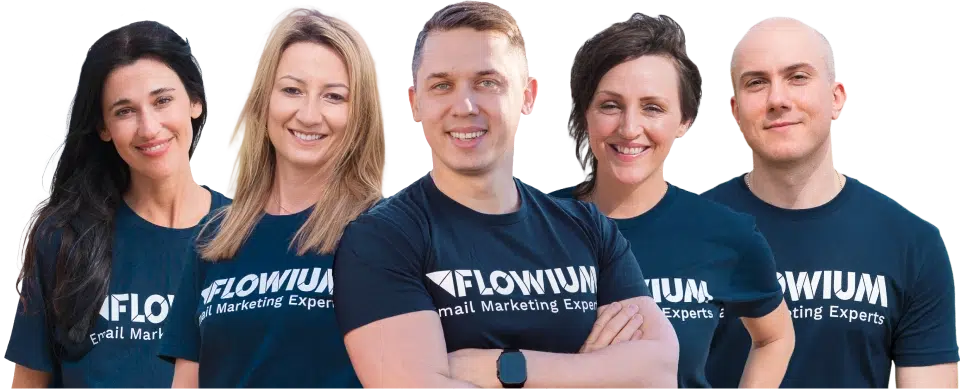
Vira Sadlak
Podcast host, marketer, traveller and a life lover from Vancouver, Canada

Andriy Boychuk
Andriy is an Email Marketing Consultant and CEO of Flowium