

Podcast Transcript
Vira: 0:40
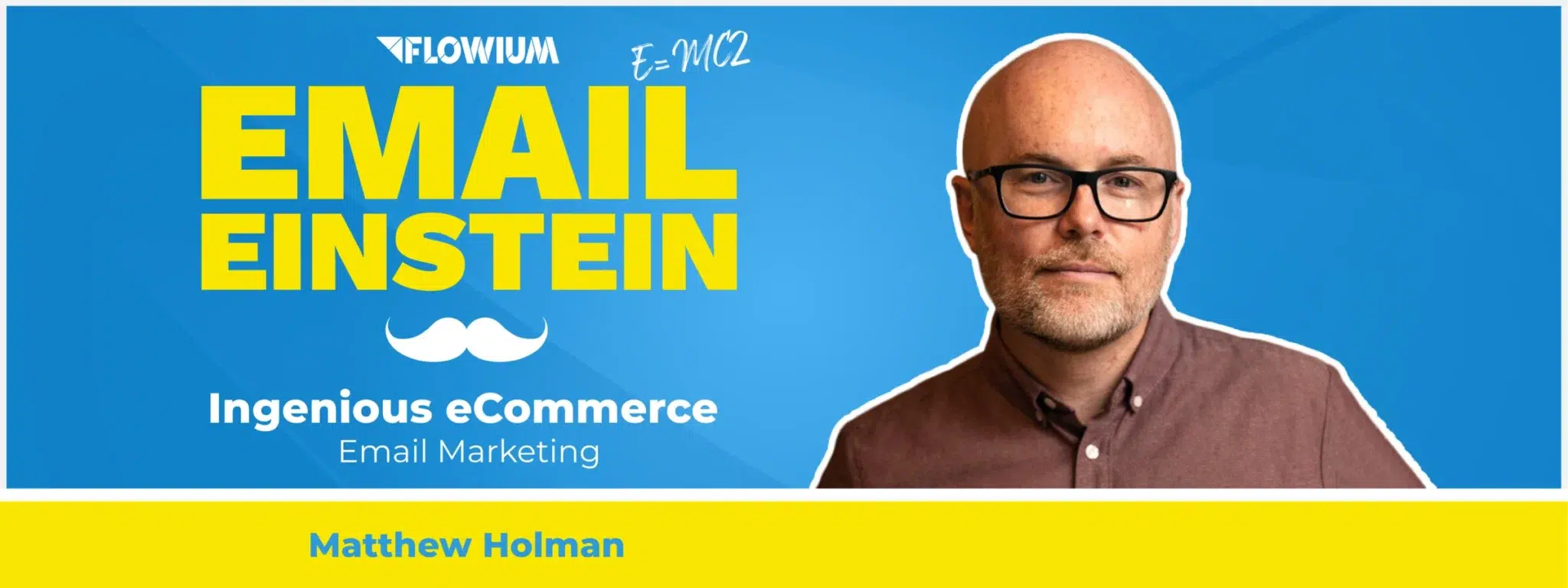
Hello. Hello everyone, and welcome back to Flowium podcast. Believe it or not, this is episode 101 1. So 101. Episode 101. And I’m joined by the very special guest. Today we will be talking all things subscription, subscription marketing, good and bad of subscription. What successful brands doing well with subscription? Please welcome Matthew Hollman. Matthew leads marketing and growth at Q Pilot and he works directly with brands to improve their subscription programs. And that’s exactly what we will be talking about today with Matthew. Say hi, Matthew.
Matthew: 1:19
Hello. It’s great to be here on episode 101. Congrats.
Vira: 1:23
Episode 101. Yay. Cool. Matthew, before we go to all of the serious and juicy questions, let’s do a quick blitz Q and A this or that kind of questions just to get to know you better. Okay? Sure.
Matthew: 1:36
You got it.
Vira: 1:37
Cool, cool. West coast or East Coast? Definitely
Matthew: 1:40
West Coast.
Vira: 1:41
A west coast crowd here. I’m the same. So on the same page with you here. Okay. Online shopping versus in store shopping.
Matthew: 1:50
I’m a mix. Um, I used to be more of an in store person, but I’ve been more and more online. I’m definitely an Amazon fanatic nowadays. I
Vira: 1:58
know, I know. It’s funny because my next question is actually Amazon or Shopify, but I guess I know the answer, but.
Matthew: 2:04
Well, I, you know, it’s different. I think there’s better brand experiences on Shopify, so I have more fun shopping with Shopify stores. But for quick and easy, you know, buying this microphone, I’m using Amazon for sure.
Vira: 2:17
For sure. Okay. Hit that treadmill or hit the couch.
Matthew: 2:23
Well, I love running outside, so I’d say, oh, I could pick the treadmill option, but running outside would definitely be running outside.
Vira: 2:29
Fun, Fun. Matthew, who would play you in a movie if there was ever a movie about you? Well,
Matthew: 2:35
I have some friends that would say Matthew McConaughey. All right, all right, all right. But he would have to shave his head. So.
Vira: 2:45
Funny. Funny. Okay, if you had to pick one song that played every time you entered and exited a room, what would it be?
Matthew: 2:53
Oh, my. Well, I’ll have to say my favorite song is Dermot. Kennedy lost, but it’s a little bit melancholy. So I think I’d like that more when I leave the room than when I enter the room.
Vira: 3:05
Good one. Good one, Matthew. Okay, awesome, awesome. So let’s talk subscription. But before we go there, tell us a bit about yourself and for those who don’t know you and for those who don’t know what qpilot is, tell us if you a few things about you and about your brand.
Matthew: 3:22
Absolutely. So for myself personally, I’m a marketer at heart. I’ve worked in the e commerce space for quite a few years now. And before I was in subscriptions, I was actually in logistics, so around shipping for e commerce businesses. So I’m very familiar with operations as well as customer experience from the purchase, post purchase through the delivery, which is kind of actually I got into subscriptions and so I do a lot of content creation, education and then work directly with brands from a consultative basis either with qpilot or outside of it, to try and build and optimize subscription programs. So. So that’s a lot about me. Qpilot. We are up to this point entirely on WooCommerce right now. So I’m really familiar with the open source space, but do a lot of work with Shopify as well for myself personally. So. And we’re, we’ll be rolling out a Shopify app later this summer as well as one for Salesforce. So we’re definitely growing and expanding. Yeah, it’s really exciting. It’s one of those things that just cannot, as a marketer just cannot happen fast enough.
Vira: 4:20
Right. But
Matthew: 4:21
we really like to say that we offer more flex subscription experience. So when you want to give your customers the power to change and control their entire subscription experience, Q Pilot’s a good option to look at.
Vira: 4:32
Right. And I like how you said just before we were talking about the Q Pilot, before we were recording this podcast, you said that the other platforms they more like sales platforms, but Q Pilot is more for like logistic management and inventory management as well. So I really like how you, how you explain it and I guess your background in logistics come in handy. Handy, right.
Matthew: 4:57
Makes sense. It makes sense why a shipping guy is working at a subscription company when you think about it that way.
Vira: 5:02
For sure. For sure. Okay, cool. In your own words, like simplify it for us. What is subscription based model and what are sort of like a different subscription models for e commerce businesses?
Matthew: 5:16
Sure. So I think subscription is really about a way to engage your customers as well as get them to make repeat purchases from you so that kind of dovetails into the different type of programs that are available. You’re either looking at membership programs where people are being a part of a club, you know, whether they’re getting access to content or a specific feature or early releases on products and which can sometimes be done independently or separately from a typical subscribe and save or auto ship program where someone’s buying a product on a regular basis, they’re getting that monthly, every other week, that type of thing. And then maybe kind of like a hybrid would be like a subscription box experience where somebody’s subscribing to a product set of products or experiences that you’re getting regularly. So. So there’s a little bit of difference between those and how, like you might order pet food one time versus getting, say, Battle Box, which is an awesome subscription box.
Vira: 6:08
Right. What is the weirdest one you’ve heard about, like, the weirdest subscription service?
Matthew: 6:14
Well, the weirdest was I was just at Sub to Sub Summit last week, and one of them, the subscription box companies that won was a box for guinea pig ownership. So they sent.
Vira: 6:24
Okay, that’s very niche.
Matthew: 6:26
Yeah, very niche. When you hear about it, it sounds really weird, but when you see what they’re very random. Yeah, it’s actually really cool. Like if you did. If you owned a pet, like that actually is an amazing box to be getting every time for.
Vira: 6:38
The richest are in the niches, right? That’s what they say. I mean, it’s so random. That’s so random. I mean, if you think about it, subscription existed like, well before the Internet, right? People paid for subscription to services like newspapers. Like, I received like this teenage magazines. I was subscribed to magazines and like milk and stuff. But always, like, the biggest problem was always simply like collecting the payments. I mean, would assume. Now it’s. Apparently it’s not an issue. But do you think that subscription is the model that every business can benefit from? Or like, who. What businesses should you consider adding subscriptions to? No, I think
Matthew: 7:17
it’s definitely there needs to be a mindset when you’re thinking like, oh, should we be offering subscriptions or not. I think some of the mistakes brands are making is they just think they need to do it instead of thinking about why they should be doing it. So for. For me, I think any brand that’s trying to create an increased level of engagement with, they’re trying to make it easier for customers to keep getting their products. So it shouldn’t be so much. I mean, ultimately, any business trying to drive revenue, trying to drive Profitability, of course you can do that through consumer higher engagement. So I think you should be looking at it. If you can offer a product that someone is going to need even semi regularly. I mean we have customers that are selling water filtration systems with a water filter you replace once a year. So that’s a really long subscription cycle. Right. You’re getting once a year. But they have a good program because they’re creating that engagement they don’t want people to forget so they’re making that automated. So I think that’s how businesses should be thinking about it. Is there a way I can increase my engagement? Is this something people could use regularly and is there a way where I can make that experience a little bit more interesting or engaging so that they’re going to want to do the subscription more than just say a discount? Because if you, I think if you come at it from just a discount perspective, you kind of are already started a losing battle of trying to fight with Amazon and other competitors on price. That’s true.
Vira: 8:30
That’s a good, that’s a good one. That’s a good one. So what do you think the other sort of like perks of having a subscription? So the income, like predictable income, apparently that’s a big one. What are the other perks of having a subscription for your business?
Matthew: 8:45
Yeah, for the business itself, it’s an opportunity to create increased engagement and increased sales. So if you’re selling a single sku, it can be a little bit trickier in that you want to get, you just want that predictability part. But you could use a subscription to create a membership or a feeling of exclusivity and offer other perks or benefits so that you can keep people around using the product longer. If you have a deeper SKU counts then you should be viewing it as an opportunity to get to know your customer better and figure out what other products they could use and be buying from you. Whether that’s something they’re just trying or something they could be using regularly. Like for example for me I dollar Shave Club, I buy razors on the subscription and every so often I get a new handle. Every so often I get a different product. It doesn’t have to be.
Vira: 9:52
Always comes down to knowing your customer. Right.
Matthew: 9:54
It doesn’t have to always just be a subscription subscription product that you use all the time. You can lace one time product off purchases in there as well. Just like to
Vira: 10:02
make that entire experience a bit more like personable and fun. Yeah, I see, I see what you’re saying. I See what you’re saying. Yeah. It always comes down to like knowing your customer. I worked with this one brand who were offering, believe it or not, yoga pants subscription and I was like, why? Why would you need a pair of yoga pants like every freaking months? But they were crushing it. So it all comes down to like knowing your customers and what they want to get from you. But apart from they actually gamified that experience because every month you were able to purchase the yoga pants with like a very specific, unique pattern that was available only to subscribe and save members and only for a month. So they added that like exclusivity, you know, like an exclusivity element to it. They like gamified it a bit. Yeah, I
Matthew: 10:51
love that example because if someone came and asked me if I if they should do a subscription on like that and they just said because they want it from revenue standpoint, I would tell them they’re off. But if somebody says, hey, people are going through these a lot, they’re buying them regularly, we could sell them to them potentially like that and we can create an even more improved experience where people are going to feel like if they don’t get it. I think really great brands are innovating how those subscriptions get offered so that there are perks or benefits associated with that subscription. So it’s more than just an auto ship order.
Vira: 11:21
It’s a discount type thing.
Matthew: 11:22
Otherwise people might decide to go buy their yoga pants from Lululemon instead.
Vira: 11:27
For sure, for. You mentioned the successful brands, but like how do you track your success? Like what are the main sort of like metrics that matter the most for a subscription type business? Sure.
Matthew: 11:39
I mean the first one is going to be conversion rates. So if you’re thinking about if you’re offering a subscription straight out the gate conversion rate or if you can compare, compare that to one time orders. Right. So if you see what percentage of people are converting to subscription versus one time. Another huge number is churn, which is a fairly complicated topic, but essentially is thinking about how, how often losing customers or at what cadence, what timeframe you’re losing them. Really common terms or acronyms that are thrown out that any E Commerce owner is going to know already is AOV and ltv. Those are really important ones. Another term I like to use is cohort, which is just a system or method of how you group people so that you can test them. For example, if I did a Memorial Day sale, I could cohort anybody who subscribed over that weekend against somebody who subscribed before that or say last month kind of thing. So if I wanted to test to see if the discount created more, more conversions or not, you need to use cohort analysis in order to get at that.
Vira: 12:36
Interesting. I never thought about it this way. Basically yeah. Depending on like at what point of their customer journey they’ve joined your brand, they might expect like different things from you. Interesting, interesting. And you’ve started talking about like customer churn, like what are like your pro tips for reducing the subscription Churn?
Matthew: 12:56
Yeah, well that’s a, that’s a big question.
Vira: 12:58
That’s a big topic. I know it’s a loaded one. But,
Matthew: 13:00
but I would say the first way you need to start thinking about it is what’s your most common frequency. So most brands is going to be a month. So if it’s more or less than that, that’s fine. Just thinking about whatever your most common frequency is, you’re going to have two types of initial subscribers. You’re going to have people that subscribe because they’re getting a discount and then cancel right away. So they’re going to cancel before the first renewal and then you have people that are going to cancel sometime after the first renewal. So my first tip when we’re thinking about churn is actually get in your head right now that those are two different types of people. And the first type, the people that I call turn and burn, you have to be careful. A lot of businesses hate that. They really hate it and they craft programs to try to make that really, really hard. And I think that that is a mistake. So you have to first start with understanding your unit economics. If you’re telling me you can’t afford to do a one time sale at the 20% off you’re doing for your subscribe and save, then you need to lower the discount. Like you need to be able to offer a subscribe and save so that you’re very least not like losing your shirt because somebody ordered at one time and then canceled. Because what you’re really driving for with a good program is that at month six you’ve got a core group of people that are sticking around because those customers are super, super profitable. And you want to be testing and innovating to get people to stay past the one month, not worrying about preventing people from who just get it and cancel right away. So that’s kind of tip one. How long do you want me to keep going?
Vira: 14:26
Yeah, keep going Matthew. Honestly, I’m like learning so much.
Matthew: 14:31
So the next thing would be to look at common drop off points so from that second cohort of people that are dropping off after month one, say they’re making their first renewal, so they aren’t just churning and burning. You can start to look at from a progression standpoint, how much are you losing each month? Month two, we lose 5%. Month three, we lose 5%. Month four, we lose 10%. So you start to see like the, the, the, the rates of change. And so if month four we’re losing 10%, whereas normally in these other months we’re moving, losing five, is there an activity I can do in month four to make those customers find stick around longer? So,
Vira: 15:11
and when you say activity like, what do you mean? There’s,
Matthew: 15:14
there’s quite a few things. So first is starting with understanding why people are churning. So collecting information either from your customer support tickets or from a pop up. There’s, there’s quite a few different options on Shopify to get that. Where you’re, you’re surveying somebody, you want to know what the common problems are. So for example, if somebody’s saying they’re not sure they see the value anymore, then an additional discount to incentivize them to stick around longer can be useful. If somebody’s saying they have too much product, then you can craft your messaging so that you’re reminding people that they can push out their renewal date and that should be able to help or save some of the churn. Other things that I like doing are using sample size products, other types of gifts or incentives. And it kind of comes back to your initial thing. You’re talking about an offer with those yoga pants. People are feeling like if they’re not subscribing, they’re not going to get that right. So if month four is a typical drop off point for the yoga pants business, what is making month four a little bit harder than month three versus month six? Is it because they’ve tried it for three months and they feel like they have enough yoga pants? So do you need to be offering a different product at that point? Do you need to be reminding them even more so of how important it is to be a subscriber and the benefits you get? That’s kind of how you want to be thinking about those two things. So you start with month one, understanding what group is dropping off or not, and then what’s your next most common drop off point? And then also I would say taking your top two, two or three reasons why people are churning in the first place that they’re telling you and then using messaging or offers to try to counter Some of those reasons.
Vira: 16:46
Right, right. What would you suggest for the brands who don’t want to use any discounts whatsoever for subscribe and Save? Like, I, I do have, I do have those clients. Yeah. So, like, what would you say? Yeah, we,
Matthew: 16:59
I mean, we, we have them too. And I mean, I always suggest if anybody’s starting out, that they should keep it 5 or 10%, no more than that to start. Because if you can only get sales using a 20, 30% discount, you’re probably in more trouble than just that. So I would say you’re doing very little. I think a lot of customers expect there to be some kind of discount or some kind of exchange of value is how I phrase it is. I’m agreeing to buy something from you so that you can have predictable revenue, but I’m getting a little bit of a discount. So if there’s not some other kind of very obvious benefit, then why are they subscribing in the first place? So you mentioned the yoga pants one is a great example. Other things that you can add are you could make free shipping available for subscriptions. You could make gifts or other things available. A really. Another common one is in this day and age where products are selling out, you can make it. That’s a big
Vira: 17:49
one. Yeah, we had it. Products are
Matthew: 17:51
available on subscription versus selling out one time on the store. And then if there’s exclusive gifts or options or off offers, something around timing, like subscribers get products before they’re listed on the site. That type of thing is how you want to use that. But that comes back to a bigger issue or question, which is brand. What type of brand Experience. Experience. Are you driving? Right. So that yoga, like it sounds like that yoga pants company is a great example. They have that dialed in. They know what people want and why people want to buy from them. And so that’s really. Ultimately, we’re talking churn. The first question I ask is ultimately, why do people buy from you in the first place? So we have a company called I Heart Dogs, and they donate a percentage of the sale to feeding homeless dogs and pet shelters, cats and dogs and stuff. So, Peter, people go there, they like the product, but they really love the brand message. So every part of their subscription experience is you’re reminding the people why. What happens with the, with their purchase. Like, remember, you’re saving, you’re saving the lives of pets everywhere, that type of thing. Right. We’re talking about a health or wellness brand. You’re saying you’re subscribing this because it’s Going to transform your life. People buy our product because it makes them feel more healthy or more alive. Well, that’s what you need to be reminding people and, or upselling people throughout the subscription subscriber journey is the reasons why they purchased in the first place. Right.
Vira: 19:06
And since we started talking about this like customer life cycle and subscriber journey, where do you think email and social media and like content creation fit in that ecosystem? Like how can you use them to amplify your subscription business? Yeah, I
Matthew: 19:23
would say, I mean email is a, is definitely table stakes, but the best businesses are now using text for communication around subscription orders and offers and upsell offers. Social media I think is a great way when we’re talking about a common drop off point. It’s not that difficult to drop everybody entering month three into an ad audience just for retargeting sake to remind them of the incredible program that they’re a part of. I think that those things are also really important from an acquisition standpoint. Social media, text, email as part of that. But it comes down to engagement. So if you’re going to drop, let’s continue to use the yoga pants one because again, I think that’s really unique but it applies for so many different types of product types. If you know that there’s an exclusivity and there’s a product product. If I were to just tech and this is something you always test, I’m not saying this is something every brand should be doing, but testing sending an email before the order processes, not even asking them to change the order, just letting them know that the product is about to drop and this is what they have coming. Does that make people more excited about getting their subscription or does it make them less excited about getting their subscription? Do churn numbers go up when I text them the graphic print of the new yoga pants? Or do does churn go down when I do that? And being able to test those types of things is you should be looking at using those mechanisms as tools to improve engagement so that it’s more than just a transaction, but it’s experience.
Vira: 20:41
That’s a good one. That’s a good one. I really like how you mentioned that inventory scarcity or inventory issues can be a good motivator too because like that’s one of the brands that I work with, they use that approach all the time. Basically, if you subscribe to receive this product, you will receive it, guaranteed. Well, you, you will receive it and we cannot guarantee you will be able to purchase it if you are not a subscriber they do offer discount as well, but it’s like 5% which is like not, not that big of a discount. So for their customers, that scarcity is a motivator itself. Yeah.
Matthew: 21:19
And that reminds me of a brand, Hemp my pet. They do something a little differently too where you can get a 5% discount, but the longer you’re on the program that this can actually compound. So they’re willing to give away, but that’s only.
Vira: 21:32
That’s a unique approach.
Matthew: 21:34
Six months. You’d have to be a subscriber for six months to get it. Yeah. So they’re, they’re, they’re, they’re, they’re going to be different. Right. They’re not going to acquire customers as fast as a brand that offers a deeper discount. But looking at their core group of subscribers, they’re playing a long game and a loyalty. Yeah, they want to reward those people. So if you’re thinking about as a consumer, they’re attracting the types of consumers that are going to respond to that type of loyalty. So their, their churn metrics are lower than average than a lot of, a lot of the people in their industry on our platform. I wonder
Vira: 22:02
how can you do this with like a typical subscription services? Do you need to like track it manually or you can somehow like program it into the software? You
Matthew: 22:11
can’t. So with us we do programmatic subscriptions. I don’t think that there’s a Shopify you’d have to do. You’d have to build a separate custom solution to be able to do that. Custom
Vira: 22:22
solution. And you guys can do that, right?
Matthew: 22:25
Yeah, so we’re, we’re definitely programmatic in the sense of like you can add things, you could add like for us you can add free shipping rules on a subscription order. Right. You know, if you wanted to upsell something so somebody can trigger a free shipping rule as well as like we have people that are sending different products each month. So you’re getting like a, you know, month one, you might get a certain tea flavor in month two, the flavor changes automatically. It’s a dynamic thing based like preset or pre programmed. Yeah,
Vira: 22:51
that’s interesting. How, how does the checkout work for you guys? Do you have, have like a standard Shopify checkout or is it the separate checkout like recharge used to have and. Gonna be the
Matthew: 23:01
same shop? Yeah, it’s gonna be the same as Shopify. So that’s how we’ve done well on just make it so that it’s just sits in like normal and It’s a little bit technical in the sense of how it works, but yep, we just look to see that an order’s been created so we don’t actually need to take over the checkout to see that that’s happening.
Vira: 23:17
Interesting. Can you do that discount, say for the first month of subscription? Is that something you can program into your solution?
Matthew: 23:24
Yeah, yeah. So we look at it whether there’s a, there’s a checkout price and a recurring price. So you can set, you want 20% at checkout, but you only want to give 10% recurring after the fact. That’s you just set, you can easily set that.
Vira: 23:36
Is there a way to create a discount code that would work both for subscribe and save and for like a one time purchase? Is that something you guys can do?
Matthew: 23:47
It’s yes and no. Like it? Yes. So within like, so Shopify’s coupon System and then WooCommerce’s coupon system, basically you set a master coupon and you elect to have that work for both. The problem is, is a lot of brands actually don’t like doing that because it, yeah, of course it, it doubles up with the, the discount offer you’re already getting. So most, most brands are at. Yeah, most brands ask us how do I keep them separate so that if I give somebody a 20% off coupon, they don’t use it on a subscription or that they’re already getting 20% off of. They usually want to restrict them like that.
Vira: 24:22
Yeah. The reason I’m asking it because I had a client specifically who specifically asked if they can create like one discount code for like everything for the first months of subscription and for the regular product. Just because they were like bombarded with the questions for the customer service about that. They were bombarded with like the things where people were saying like, hey, my discount code is not working and stuff like that. But I mean, I see what you’re saying. I definitely see the logic keeping them, keeping them separately. Yeah. And
Matthew: 24:49
with that use case, it comes down to you can use the discount. Like it sounds like what they’re using is they want to spur people to try one, but they don’t want it to, to keep compounding on the subscription after the first month. Right. So it is about setting it up so that it only cycles one time essentially. And so it can be used as a master coupon and on subscription orders.
Vira: 25:07
Awesome. Well, let’s go back to the big picture question. So you worked with like a lot of, lot of brands. What do successful subscription businesses do differently? What’s their secret sauce.
Matthew: 25:19
Yeah. Their secret sauce is even more so is knowing their customers, customer knowing what they want, knowing what’s going to offer value for them and experience for them. Even if it’s something as simple as like a CBD supplement you take to sleep. The fact that they know how you’re using it and what you’re using it for and what’s important to you is making it so that they’re more effective in their marketing and reminding you about how that works. So I think there’s a couple of different components. One is a technology component making sure that automation happens kind of seamlessly, that orders aren’t failing for stupid reasons. There’s notifications as well as some kind of engagement in case something happens or needs to change. And then they’re lacing in a brand experience on top of that and using the technology to drive a better customer experience for their end users. So those are the two things. I, I always say that it’s easier to figure out technology than is to figure out brand. So if anybody feels like out there that they already have a strong brand and they know their consumers really, really well, you just need to find the right person or team to build the technology solution. Solution for you. The harder part is when you’re, you’re trying to figure out both, you’re trying to figure out what to offer and you’re not exactly sure how or you don’t have a strong brand, then it gets a lot more complicated.
Vira: 26:29
Right. But the technology part for most of my clients is the challenging part too, especially when they’re like scaling the business. Right. What are the challenges you typically see with brands who are trying to effectively scale their subscription based business? Business
Matthew: 26:44
it comes down to order management. Ultimately the biggest friction point for a lot of businesses is somebody needs to change something they don’t like something they’re going to be in Florida next week and they want their order to pause or to follow them to their, you know, to their Airbnb. So that is pretty much the biggest issue at scale as well as churn is a huge other thing that bigger brands are looking at. They’re trying to figure out how to combat that. You often see them overhauling subscription program and rebuilding them in some senses because they start to understand really well what, what is converting customers and what’s keeping customers around. And so they might need to like change how they’re doing a lot of their notifications and engagement. But the order management system is typically one of the biggest reasons, you know, and that dovetails into like operations like how you’re passing orders into ship station, things like that, fulfillment. That’s typically where all the biggest of the problems are happening.
Vira: 27:36
I see, I see. And how, how your solution helps them to like resolve this issues. Like where do you f that picture?
Matthew: 27:43
Yeah. So for us, we’re really, really good with subscription programs that are trying to be a little less static. So like a subscription box, we’re overkill for a subscription box because that’s usually shipped once a month. The customer does not have a strong delivery expectation. They just kind of get it when they get it and then they have the fun of opening and using the items. For us, it’s about if the customer is, you know, so we do well with fresh food or other things where there’s a, a tight, tighter delivery window. Customers are expecting to get it this Friday, they’re not expecting to get it any random time. And then there’s a logistical consideration where in order to make a. I think the easiest way to kind of understand this is just think about how innovative the shopping cart is. So the last 20 years we’ve seen how a shopping cart nowadays, you can enter in any address, you can enter in different payments, you can add items, take out items, you can do almost anything you want. And the shopping cart is going to validate what’s going on there and see if that’s available. If you’re outside of a delivery zone, that delivery zone is not available to you. The shopping cart. The shopping cart is, is way ahead of where the typical subscription order portal. If you as you will like, you know, whatever, recharge or you know, or what we would nest on your website where somebody logged in and do that, that is, that is lacking in a lot of functionality because subscription orders don’t have the same level of integration and innovation around that. So thinking about somebody wants to add an item, what does that do to shipping? Is that item even available in inventory? So those are really common problems and that’s stuff that we, we’ve worked really hard to solve so that if somebody wants to ship internationally, they can ship internationally. If somebody wants to. If a merchant wants to have shipping free shipping thresholds in their subscription order in order to incentivize somebody to try a new product or increase their average order value, you can do that with our rule sets.
Vira: 29:26
That’s really interesting and I really like how you guys think about the customers in those like little groups in the segments in the cohorts. Like you said, it’s pretty unique. I personally never used this approach with my subscribe and save customers. And I never thought about their customer journey after they’ve subscribed and then the subscriber with us for, for a while. Right. Because most of business owners, they think about how to convert that customers and if the revenue keeps coming, everything is good. You need to
Matthew: 29:56
worry about it. Right, Exactly. I think it’s. I like pointing out that, I think that even for something like say like pet food or, or it’s really common. If you think about your subscriber base, I think this is an opinion. I think 60 to sometimes 80%, sometimes maybe even as high as 90% of your subscribers are happy with the status quo. They’re happy with getting what they get when they get it. So it’s not everybody who needs something really dynamic and all these features and bells and whistles we’re talking about. But if you’re thinking about 10 to maybe even 30 or 40% of your customer base is a little bit frustrated with the level of control they have, whether they want to skip an order, switch out an item, change something in it. Those are the customers that you need to be worried about because those are the ones that are going to be the first to churn when something doesn’t go right.
Vira: 30:46
Right. So. Right. So from customer standpoint, how does this process of managing their preferences look like? Do they have their own sort of like online cabinet or on where they can go in online stuff? Like, how does it work? Yeah. So we
Matthew: 31:02
drop in basically a customer portal that sits on the My Account page. So when somebody logs into the site, they can see their subscription orders. If they click into any order, they can then see all the items they’re getting, the schedule they’re getting it on. They can see their shipping and their billing address. They can see a coupon field code. And some of our customers are even doing different shipping methods. So they can then change everything they want. They can take items out, they can click a dropdown menu to see the product catalog they want to pause, change the schedule, change the frequency. All those things can be done right there in a very visually and kind of easy to use way, as well as pausing or canceling.
Vira: 31:35
Yeah, that’s awesome. That’s awesome. So Matthew, where can people learn more about Q Pilot and how can they test it out and try it?
Matthew: 31:46
Sure. Well, right now if you’re on WooCommerce, we have a plugin called Autoship Cloud. If you’re interested in learning more about us and our Shopify launch, go to qpilot.cloud. And then I do have a subscription newsletter subscription prescription. So if you look for me on LinkedIn or Twitter. Matthew Holman Subscription Doc Love to connect and I put a lot of this stuff into our newsletter regularly.
Vira: 32:06
That’s awesome. That’s awesome. Yeah guys, we will definitely mention all of the links in the description box down below so just like scroll down and all of the links will be posted under this podcast. Well Matthews, thank you so much for coming to our podcast and talking to us about the subscription management. It’s a lot of good insights I got. Thank you. Appreciate
Matthew: 32:28
Thank you so much. It’s great being here.
Vira: 32:30
Yeah, it was fun having you. Thank you so much.

Vira Sadlak
Podcast host, marketer, traveller and a life lover from Vancouver, Canada