

Podcast Transcript
Vira 0:00
Today we will be talking about subscription businesses, subscription business models. It’s 2021, and the online subscription model is booming.
Alissa 0:33
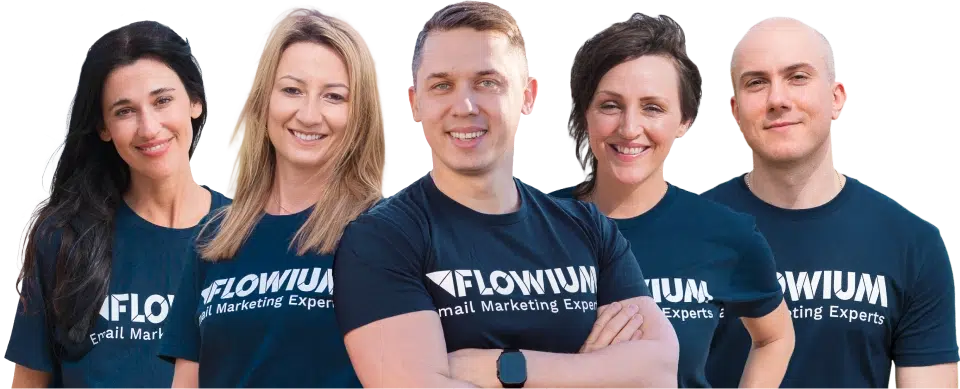
Hello everyone, and welcome to yet another episode of Email Einstein, Vira and Alissa here, we are two email marketers at an email marketing agency called Flowium. We are super passionate about email marketing, and because we love what we do, we want to share our insights with you. Flowium is one of the fastest growing email marketing agencies in the world. We specialize in providing a premium, full service e commerce email marketing experience for all of our clients. Our service is tailored specifically for your business and is designed to help increase your online retail revenue by 20 to 50% we deliver the right message to the right person at the right moment, and that’s what we’re all about here at Flowium. If this is your first time listening to our podcast, welcome. We’re super excited to have you. If you are a seasoned email Einstein ER or Einstein net, we are going to ask that you leave us a review under our podcast. These reviews really help us kind of spread the word and get others interested and make sure that they’re not missing out on any of our special email marketing tips and tricks. So again, if you like what we do, please leave us a review. And I am a rhyming master today. Apparently.
Vira 1:46
Youare. If you like what we do, leave us a review. You sounded better. Maybe it’s the accent, maybe it’s the vibe, you sounded so much better.
Alissa 1:57
Well, like a rap or something like you mentioned before?
Vira 2:00
Yeah. No, no, you do. You do rap. I’ll just watch. Yeah. So guys, today we will be talking about subscription businesses, subscription business models. And here’s the deal, it’s 2021, and the online subscription model is booming, probably like 70 or 80% of all of my clients who I work with, they do offer some sort of subscription and in fact, and these are the real number. Even though they sound like a fictional numbers, they are so good. In fact, the industry as a whole, like the subscription model industry, has been growing at 200% annually since 2011 200% I didn’t even know you can have that 200% that’s insane. And the latest projection suggested that by 2025 the global e commerce subscription market will be worth $246.6 billion that’s a lot of money, if you ask me. So if you are not offering subscription yet, maybe it’s time to start. And I mean, there’s like, what’s not to love about subscription? Customers love it because it’s like, hassle free, hassle free shopping experience. They deliver it straight to your door, and you don’t need to think about it, you always get what you want in the most convenient manner. And E commerce businesses love it too, because they can rely on that pre planned purchasing, on that recurring revenue and what’s not to love. And basically, everything these days can be purchased as a subscription, from like software to socks to razor blades to skincare and bacon. And that’s a thing I just actually Googled, like, the weirdest what? Yes, you can subscribe. There is this company called Bacon Freak, and it’s like a bacon of the Month Club, basically. So they are offering exactly what you’d expect. They do deliver, like, a different kinds of bacons, even though I didn’t even know there are, like so many kinds of bacons, but apparently there are, so they deliver it straight to your door every month. And yeah, it’s, it’s so it’s so bizarre. But I mean, it’s 2021 right? We’re all about the convenience. And while there is certainly no doubt that subscription boxes and subscription businesses are taking the direct to consumer market by storm. It’s important to consider like the marketing strategies behind it, right, and how you will employ email marketing and how you will employ other marketing channels in order to convert and retain those socks enthusiasts, makeup gurus, shaving pros and bacon lovers, so yeah, and our favorite channel to promote subscription programs. You, you’ve guessed it, it’s email marketing. So that’s what we will be talking about today. It was a bit of a long intro, but I’m so passionate about this topic, so before we start going into. Into some juicy strategies. We have a really cool Pro Tip of the Week. Alisa hit us with your Pro Tip of the Week.
Alissa 5:07
The Pro Tip of the Week. And Vira, not only are you passionate about this topic, just to add to what you were saying, you’re also extremely knowledgeable, because so many of your clients are subscription based. So we are very honored here on our episode today to have someone as specialized in subscription businesses when it comes to email marketing as Vira.
Vira 5:25
So I’m starting my own subscription business. This is how much I love this business model, so.
Alissa 5:32
Exactly, that’s right, we’re just talking about that beforehand. So today’s Pro Tip of the Week. So for today’s episode, we’ll really be focusing on four important strategies, and these strategies are kind of like the bare minimum for what you need to incorporate into your marketing strategy if you are a subscription business, or if you offer subscription products. However, please do not forget what we say here on this podcast episode, albeit it’s useful and helpful, it’s not the end all be all. So your subscription customers are radically different in nature and behavior than your one off retail customers, so make sure that you treat them rightly so differently. It’s important to consider creating two altogether separate versions of almost every flow that you have in place based on whether your customer is a subscription customer or retail customer, again, important to consider and to think about, but not necessarily important to do so. A lot of what we talk about here is kind of best practices of what we do in house, in @flowium, but making sure that you’re always reviewing your business, kind of reflecting on what it is that you provide, and then doing things according to what’s going to be best. So a couple of the flows that maybe we’re not going to mention on today’s podcast episode as like one of the top top strategies, but something that you want to consider maybe creating a subscription version of is like your abandoned cart flow, your browse abandonment flow, any of the other flows that you have in place that are kind of like your bread and butter, think about how you can kind of revamp that or reiterate it to match a subscription customer and what they’re looking for and what’s going to be important to them, or even a potential subscription customer, like in the abandoned cart situation. So again, making sure that you’re you’re listening in today and tuning in and kind of following along with what we’re saying, but then also always considering how you can kind of go beyond what we talk about on our episodes and make your subscription email marketing strategy even better than kind of the points that we’ve mentioned today. So that’s your Pro Tip of the Week.
Vira 7:27
That’s a Pro Tip of the Week, and very promising beginning too.
Vira 8:08
The first strategy, and probably it’s even more like a stage of your relationship with the customer, is to turning your regular customers into paying subscribers. That’s a big one. And in every e commerce business, acquiring new customer is the most like labor intensive part of the process, and it’s usually the most expensive too, right? So why not convert those existing buyers, people who have placed 123, orders with you into paying subscribers, especially, I’m talking about those who have placed more than one order with you, because if person purchased something from you and then they came back to purchase more of the same product or of the different product, it means that they are very much like you. They do love your products. Why not turn them into subscribers. It’s better for them because it’s very hassle free. Experience is better for you because you can rely on that revenue every month. And I read this really cool, fun case study in business, insider about the brand called Columbia House Records. And I’ve never heard this name, but apparently, if you were born in like 70s or like 80s, you would know this brand, and they are the pioneers of subscription commerce promotion. So they had this crazy promotion that you can purchase 12 CDs for one cent, like back in the day, can you imagine, like, 12 CDs, and for those Gen Z people who are listening to us CD is like a round thing that you need to put into your music player in order to get the music out of there. I’m not joking like my brother, he’s like, 18 year old. He didn’t know how to use the normal phone. You know, they back in the day that they had the super old phones that you had to, like, almost like a turn the disk, like the turn the circle, in order to get the number. Or, like, the regular phones, he, like, he didn’t understand how to use the phones that has like, buttons. You know, when he was born, we were already, like, using the mobile phones, and when he his first phone didn’t have any buttons on it. So, yeah, but what was I talking about? Oh, my goodness, I’m, like, so far from what we were talking about. So this guy’s the Columbia House Records. They offered 12 CDs for one cent deal. Even though this was one of those, like, read the fine print, type of offers, you had to buy like, a certain amount of CDs at a regular price to get the offer. It still gathered, like a lot of attention. It still gathered like a ton of attention, and many people were happy to sign up. And probably those people are one of those folks who have dusty collections of CDs now. But the moral of the story is that if you want to turn that regular buyer into into like a paying subscriber, just create the offer so good that they cannot resist it almost it’s, it makes more sense for them to subscribe to your product versus purchase it just because it’s, it’s cheaper, it’s hassle free, and they can change or cancel their order anytime. So that’s exactly what Dollar Shave Club did like 30 years later, 30 years after the Columbia House Records, they had this deal when the first months of dollar shape subscription was only $1 so basically, pretty much, they were giving the first months of the product for free. It was like dollar 85 or something in the end, because you had to pay something for the shipment. But still, the offer was so good that people basically couldn’t resist it. And of course, the big portion of those people, they will drop after months one, and that’s like a totally, totally normal statistic. In fact, only 25% of people would probably keep receiving your like promotions or your subscriptions product, and the rest would cancel over time. But 25% if you ask me, 25% is still a good, a good ratio, especially if you consider that this are your return customers with much, much higher customer lifetime value, with higher average order value. And yeah, so that’s still a good deal, if you ask me. So the offer should be So Good They Can’t Ignore it, and you can do it in a form of campaign. So for example, something that I did with my clients, they are selling tea in bottles, like an herbal tea tonics, and they are selling the little shots, like an herbal shots. So basically, we did the 30% of the first months of subscription, and we only send that promotion to people who have placed two plus orders with that brand before. So we know for sure that this are the people who like like our product. So we have sent them that big offer. So it’s almost like a no brainer for them. And considering that that campaign was sent only to about, like 2000 people or so, we got 70 plus new subscribers, and it costed us, like nothing, right? We just like send that promotion. And yes, it was 30% off. But if you think about it, in a long term, those people will come back. Those people will be almost purchasing every month from you. So that’s that’s a good start. And also, you can also do it as a part of your automated flows. So for example, you can do that as a part of your post purchase flow. One of the emails in your post purchase flow, especially the post purchase flow, for returning buyers, can be this, basically the same idea, the same campaign, give them a discount for a subscription, and then, who knows, maybe they will convert. Maybe they will not, but it’s definitely worth trying. So that was the first one. Try to convert your existing regular customers into paying subscribers. It’s so much cheaper than trying to acquire those paying subscribers right away through Facebook advertisement or Instagram or whatever. Just work with what you have first, and then you can, like, expand it and bring some resources from outside.
Alissa 14:01
Yeah, it’s very true. And the other thing that you kind of have in your back pocket as well when you’re trying to convert your already existing customers is they already have an interest in your product and your brand. Yeah, because they’re already exactly so the likelihood of that conversion is going to be a lot higher than just getting a Rando off Facebook and you’re like, Hey, you want to try my subscription product, and now you have to go through that whole process of, this is who we are, this is what we represent. This is what we care about, and making that person buy into your brand, and then now also legitimately buy your subscription product so.
Vira 14:30
Right. And the cost of that acquisition too, right? Remember, that number we were talking is it like it’s five times more?
Alissa 14:36
Five times Yeah, yeah, five times more. Gosh, we’ve said that on every episode.
Vira 14:40
It’s five times more expensive to acquire a new customer then convert your existing one. So just like, keep that number in mind before you go somewhere, work with what you have first.
Alissa 14:52
Yeah, it’s gonna cost you $10 versus $50 so yeah, every business owner is like, as soon as you put $1 sign in front of it, they’re like. Oh, I understand.
Vira 15:00
It makes everything real, right?
Alissa 15:02
Yeah, exactly, exactly, yeah. That’s definitely, easily my favorite strategy. But next strategy is what we’ve kind of called subscription program onboarding. So this is kind of after what Vira has talked about, okay, so now you’ve converted that already existing customer into a subscription customer, or you found a new subscription customer. Now, what? What next? How do you welcome them into that subscription program? And so what we want to talk about is the onboarding process. Just because you’ve converted them and they’ve pressed the pay button or the Pay Now button or the submit button, doesn’t mean that your work is over, right? It’s really important for you to help that customer now fully understand the value behind the product that they’ve now just subscribed to, and that’s where your post purchase flow for subscribers specifically comes into place. We’ve talked about in the past a ton the post purchase flow for one off kind of retail purchases. So you have that first time purchase, you have the two time buyer flow. You have a potential post purchase, recurring flow that you put into place to kind of continue to nurture your loyal customers. But what about those customers who are subscribers, or subscription based customers? So for the most part, we treat this flow similarly to what your post purchase, first time buyer looks like that flow. So your first email, obviously, you’re going to be thanking the person for their business, for their subscription, but then throughout the course of the next few emails, what you really want to do is you want to go into great depth and detail about what it is or what the benefits are that the subscription provides for them. So for example, with the t1 obviously when you subscribe, you’re going to get tea on a subscription basis, on a monthly basis. Yes, great, we understand that. But what are the perks and benefits of you having that tea on subscription versus just buying it one off, because either way you’re going to get tea one, you’re just going to get tea for longer. So why is that better to get tea for longer, and then at that point you probably want to go into okay, what are the health benefits of receiving this subscription based tea. What are the monetary or financial benefits? How much money are you actually going to be saving in the long run? Are you getting any additional perks because you’re a subscription based customer? Are you getting free shipping? Are you getting exclusive access to teas? Are you getting free samples of different flavored teas with each box of tea that you get on a monthly basis? That’s a good one. That’s a good one. There are little things that should be included and kind of exclusive to your subscription based customers, because they’ve now just committed to a long term relationship with you, right? So you want to really talk about all those things. A big reason why people cancel their subscriptions is because they don’t understand the full value behind the subscription. So you have to spell that out for your customers in order for them to stay with you, for you to have that longevity, for you to be able to retain a lot of your customers when people don’t understand the full value of something they don’t see. Okay, why on earth am I paying $15 a month for this thing I can cancel whenever, if you think about it, like when you talk to your friends and things like that, what’s the first thing that they talk about when they’re talking about, oh, budgeting, I need to review my finances. The first thing they cut out.
Vira 18:06
They’re canceled my subscriptions.
Alissa 18:08
Exactly. It’s the first thing that people talk about. So when people say, inevitably, I need to cancel my subscription, your subscription is at the bottom of that list of things that need to be canceled because you’ve done such a good job of explaining the value to that person that for them, they’re like, Well, yes, in theory, I have to subscribe to this, and I have to pay for this on a monthly basis. But this has so much value to my life, adds so much value to my life, that I could never possibly imagine my life without it, that kind of thing. So for example, like Spotify, albeit it’s not E commerce, but my Spotify subscription, I will never cancel that, because I can’t imagine going on without Spotify Premium even more. So we now have a family plan here where my husband listens to his own channel. I listen to my own we just had a baby, so now he’s gonna be listening to his own music as he grows up. So we’ll have that family plan. But for me, it’s so important, because we use it so much, we can’t cancel it. It’s just not one of those things that I think I need to cancel a subscription. What am I going to cancel? Spotify is not one of those things. So you have to find a way to really embed yourself, embed your subscription product so much into your customers brains, into their lives, that it gets to a point where they can’t imagine life without it. And the only way to do that is explain, in fullness, the value that your product adds to their life. So that’s a really big one in that post purchase flow, specifically for subscribers. Aside from the value, you also want to talk about any perks, there is an opportunity for you to upsell or cross sell, if there’s anything that you can do to upgrade the level of subscription that they have. So if they subscribed basic but the premium is going to be a lot better for them. You can try to upsell within that flow as well. You probably want to give a little bit longer of a timeframe, at least give them a month within your subscription product before you go ahead and ask them to upgrade. But there are these options for you to upsell within these flows as well. So the subscription program onboarding kind of part of the journey. Me that the customer is going through your subscription. Customer is really important, if not more important that then, then that initial conversion. Because now you kind of snap the trap, and you got to keep the trap snapped. So yeah, to make sure that they stay with you. Because if they just sign up with you for the subscription for one month just to get the perks, and then they cancel the next month, your return, your customer retention rate is terrible. You know, you’re not only doing yourself any favors, so making sure that you’re really kind of explaining as much as possible what the value is to having a subscription, showing them the perks, showing them how this benefits their life, and kind of going from there. The other thing that you can do also is you can also offer certain incentives for people to refer other subscription customers over to them. So again, kind of treating this in a similar way to how we would treat a normal post purchase retail flow, but adding the subscription perks and the subscription language in there too. Again, your subscription customers are not necessarily more important than your one off retail customers, but they are very different, and so you need to treat them, treat them differently in that manner as well.
Vira 21:02
Yeah, I like it.
Alissa 21:03
So that is strategy number two, is your subscription program onboarding, and how you kind of approach that via your post purchase flow for subscribers specifically.
Vira 21:13
Right. You just need to address it a bit differently. Just like you said, it’s a different story than you’re like a regular customer, but you almost have to help them avoid that buyers remorse, or in this case, subscribers remorse, right? When they when they have time, just like to change their mind, because it’s so easy, like to cancel any time, right? So yeah, you have to address all of those concerns and definitely communicate all of the perks like that. It will be delivered for free to your door every month, or every two weeks, you will get, like, exclusive products and stuff like that. Yeah. So that’s a good one. That’s a good one. And you started talking partially about the upsell and upgrade, and that’s exactly what I was about to talk about. So, so this is our third and big sort of like a tactic as to push your upsells and upgrades. So like, expansion of revenue is always the lifeblood of any like E commerce business and even the subscription business, because yes, to some extent you have to, you can rely on that, like returned customer, but what if you can do even more with them? And this is a very, like, delicate situation. You don’t want to be like, too, too pushy, because this are your loyal customers. But at the same time, what if you can bring even more value to them? And they don’t know about it yet? So this makes an upgrade a very important part of any subscription marketers arsenal. And here are a few like ideas. The first one is to upsell based on product they have purchased in the past. So going back to my tea example. So that company, they have two big sort of like product categories. One is the tea, like a big bottle of the tea, and another one is herbal shot. Both have like similar benefits for your health, but they are a bit different. So the first one is more like for the experience and the taste, and the second one is just like purely for the health reasons. So what if you can recommend some of those, like little shots to people who have purchased, like this first product, this tea, in the past. So that’s what we did. We basically pushed the shots to people who have tried the tea in the past, and vice versa, push the tea to people who have tried shots in the past, and the subscription offer was very good. So they were subscribed to receive, like, 50% off the first month, so they can, basically, they can cancel anytime. They can change their product anytime. So this is almost like a no brainer for them. And we did similar for other brands that I work with, and they are selling the creams and serums, and usually the cream and serum, they work really well together. So they are from the same like a product line, almost. So what we did for people who have subscribed to receive their serum as a subscription on a monthly basis, we push the creams, and vice versa. For people who purchase creams, we push serums. So yeah, again, the discount should be as good as you can, as you can do, because think about it, in a long term, yes, the discount is high, but in the long term, this customer will bring you a lot, a lot of revenue, another big one, but that’s not for all of the brands. But basically you can do the create some sort of like urgency, and say like this product is unique. It is only available through the Subscribe and Save model. So if you want to try that, you can only subscribe to receive it. And that’s one of my clients is using this model. So they basically have the product box. So they launch new leggings and new sport tops every month. And there are certain styles that you can purchase only through the subscription. I like that, and they will not be able to purchase those styles like anywhere else, and you can only purchase them for one month. So you can only purchase them through subscription, and only purchase them within that, like 30 days period, which is honestly, at first it might seem like a very labor intensive. Of model, right? Because they have to come up with new products every month. But at the same time, even though they have, like, I don’t know, maybe like, 100 SKUs on their website, this box subscription is they are still best seller. So that model of creating scarcity around the product, it does work for some brands. So think about it as well.
Alissa 25:21
Wow, that’s great. I love that. And I Yeah, the urgency around it is really good. And I love that idea of only being able to have access to certain SKUs or certain products unless you subscribe. So as a retailer you can, or as a retail customer, you can purchase certain things, but there are certain things that are locked away for subscription customers only.
Vira 25:42
Because your subscription customers, in a way, are your VIPs, right? So you should treat them differently in some flows that we have for our subscription members, we give them like exclusive behind the scenes, like we are taking you with us to see how our drinks are made, or this is our production process of our leggings, or stuff like that. We just want them to feel included. We want them to feel the part of the community and not just the part of a brand. It’s more like a family thing almost, you know.
Alissa 26:14
Yeah, I love that, yeah. And it’s that whole like join the family aspect, but oh yeah, you’re joining the family through the subscription that you’re joining. So now that you’re with us on a monthly basis, you’re getting access to things on a monthly basis as well. Yeah, that’s an excellent strategy. I love that. I really, really like that. So with number four, our fourth and final email strategy for a subscription business, we’ve called this reactivating inactive subscribers, otherwise known as the canceled subscription flow, so sadly, you will probably face the inevitable at one point or another with some of your customers, which is that they will cancel their subscription with you, which is really horrible and sad, and it makes you upset as a business owner. And yes, it can be very crushing in that moment, but all hope is not lost, because you still have a chance to win these people back, even if it’s not necessarily in the way that you would think. So. The first flow that you would want to review is the win back flow, but specifically for canceled subscribers. So what you would do is you would create a win back flow for your canceled subscribers, a version of it. So once someone cancels with you, let’s start off with this. It’s very important for you to a accept the reality of the fact and move forward. Move forward with your life and move forward with your business.
Vira 27:33
Sounds like a breakup, you know, presentation. I mean, in a way, it’s a breakup so.
Alissa 27:40
It is, it really is, and you should treat it that way as well. That’s the thing. So one of the first things when you have a breakup or when your subscriber cancels with you, is, oh my gosh, why did they cancel? Like, what did I do wrong? That’s the first question that you think in your head. And as a business owner, you should do everything that you can to find an answer to that question, because it will only help you in the long run so.
Vira 28:03
Alternatively, Alissa, you can purchase a lot of ice cream watch romantic comedy with Ryan Gosling, and sometimes you just need to take some time.
Alissa 28:15
Yes, sometimes you just need a minute. Well, once you’ve had a night out with Ben and Jerry, and you’ve seen Ryan Gosling on the big screen, then at that point you can start to question, okay, where did it go wrong? And do what you need to do to find an answer to that question. So with that win back, canceled subscriber flow again, if you don’t already, you want to get that set up in the first place, and that very first email that goes out, you want to have some kind of request for closure, you know, like understanding, okay, where did it go wrong? And the best way that we know how is to ask for your customer or your ex customer to complete a survey for you. I know this sounds kind of bizarre, because when someone cancels with you, the last thing that you’re thinking they probably want to hear from you is, but why? What can we do to solve but you’d actually be surprised to find out that even though your customer has canceled, they’re typically warm to the idea of giving you some kind of anonymous feedback as to why they ended your relationship, which, again, is super beneficial for you, because now you know how to fix it and make it better, so that you can improve your next relationship, right? So just a quick top tip in here is with this email, an email that’s asking for some level of closure or feedback as to why the person canceled. I would personally strongly recommend adding some kind of humor or light heartedness to this email, again, if it matches your brand identity, but with a situation like this, because they have just canceled, you don’t want to be brash and really like aggressive about it, because obviously they’ve canceled so they don’t want anything to do with you anymore. You want to be light hearted about it and let them know, like, Hey, listen, we’re so sad to see you. Go, what can we do to improve this for other people? Or can you just tell us why, why you ended our relationship, that kind of thing. So that survey is kind of your first step, and now that you’ve acknowledged the breakup and received some closure. Server, which is that response to your survey. You don’t want this customer to 100% completely forget about you and forget that you ever existed. So the other option is, rather than trying to win them back and get them back on a subscription, which is a strategy that you can kind of go after way later on down the line, but if you sell other sort of a la carte products, or retail products where people can buy them one time, you can add that offer and put that offer on the table in the next email. So typically, what we want to do, and our main goal with this next email, is to not lose the customer for life and get them to convert as a retail customer. So for example, wine awesomeness. For those of you who have been listening with us since the beginning, we had a couple of podcasts with them. It’s an example that we’ve featured a lot on ton of different episodes. So one of the flows that we have in place for them is this, win back, cancel subscriber. The first email is a survey that asks, why? What did we do wrong? Why did you cancel your extremely convenient and awesome, wine awesomeness, wine membership, and then the next email is okay, we understand the subscription isn’t for you, but of course, wine is still for you. So here are some wines that we think you’d really, really enjoy, and you can purchase them as a one or you can make a one time purchase to to continue buying wine with us, unless there’s been some kind of health issue that’s gone on, it’s unlikely that you would cancel a wine subscription and never drink wine ever again in your life. Wine is too good. You would obviously never do that. So it’s likely that you would still need to purchase wine at some point, which is why that retail side of the business is so important, because now you have an opportunity to win back your lost subscriber customers and keep them as retailers or retail customers. So that’s typically the angle that we go out with, that when that canceled subscriber flow, you can offer other emails in that flow. My only caution against that is that, again, don’t forget, these people canceled with you, so it’s unlikely that they would want to receive a ton of content from you. That retail offer is one that I would typically wait like, at least a week, at the very, very least, if not two to three weeks, to send that next email just to remind them, like, Hey, we’re still here, and we’re still here for all your wine needs with that wine, awesome example. So just being really careful with that, if you do really want to press your luck and try and get this lost subscription customer back on as a subscription customer, you could try, in like, six months or a year’s time and say, Hey, listen, it’s been X amount of time without you. We miss you. Consider subscribing with us again, and we’ll give you an offer that you can’t refuse. That kind of thing, depending on the initial kind of preliminary offer that you give to new customers. So that’s something that you can do, not necessarily a best practice, but if you were to put it in place, I would say a best practice would be to wait at least six to 12 months before you go ahead and press that person for their subscription business yet again. Usually six to 12 months is enough time for people to kind of forget, forget the history, and then they’re willing to try again. So definitely, something that you want to consider when it comes to winning these people back is that flow. The other option is to create a specific campaign that is winning these people back, and you’re basically segmenting out your customers and specifically targeting them within a certain point. If they if they had a subscription with you for, you know, 12 months or whatever it is, then maybe you want to target those people who had a subscription for 12 months or longer, versus the person who had a subscription for like, two months? Yeah, it’s not necessarily, yeah, exactly, not necessarily the best kind of person that you want to try to win back because they weren’t as committed. So definitely some things to think about. But the win back situation is the flow is super important, just an automation that you want to put in place because it does the work for you. But the campaigns are, if you want to get really granular with it, and really invest your time in investing in these customers that you can potentially get back versus acquiring the new customers. So always something to consider there, and that is your fourth strategy for your subscription business.
Vira 33:53
Alissa, is it me, or does our podcast sound more and more like opera? You know, it’s like relationship advice. It is on our next episode, we will be giving away cars. You get a car, you get a car. Everyone gets a car. No, I’m joking, but we have some cool next episode. So yeah, in fact, in fact, we do have a lot of cool stuff coming to your phone or to your headphones or whatever, every Tuesday. So don’t forget to subscribe and share this podcast with your friends. And if you want to get involved in a community of E commerce entrepreneurs, email marketers and email nerds, join us at flowium.com/community.
Alissa 34:39
Yes. And for next week’s episode, you may not get a car, but or you might Yeah, or you might stay tuned, but we’re going to be talking about how to increase average order value for all your customers through your emails. This is a big one with our clients, obviously, because you want to try and maximize. As much as possible each and every transaction that your customer has with you. So we’re going to be talking about that and how to how to make sure that you’re getting your customers to buy as much as possible in one go. So definitely come back next week. Thank you guys again for listening as always, and don’t forget to leave a review on our podcast. If you enjoy what we do, what’s the rhyme again? If you like what we do, leave a review.
Vira 35:26
I like it.
Alissa 35:27
I love it. We got to add that to the to the intro jingle.
Vira 35:31
We should.
Alissa 35:33
Yeah, we definitely will. Thank you guys so much again, and we will see you next week.
Vira 35:38
See you next week.

Vira Sadlak
Podcast host, marketer, traveller and a life lover from Vancouver, Canada

Alissa Horta
Alissa is an email marketer that is passionate about relevance!